
PRP Hair Treatment in Turkey
Platelet-rich plasma injections for thinning hair — what the mixed evidence shows, who may benefit, and realistic 2026 session prices in Turkey.
- Typical package price in Turkey (2026)
- €150 – €450
- Time in Turkey
- 1–2 days per visit
Indicative range from published package prices; your written quote depends on your case. · Updated:
Full specialty guide
At a glance
- Typical package price in Turkey (2026)
- €150 – €450
- Procedure time
- Under 1 hour per session
- Anaesthesia
- Usually none; numbing optional
- Hospital stay
- None (outpatient)
- Time in Turkey
- 1–2 days per visit
- Recovery
- Same day; little or no downtime
- Final result
- Judge after 3–6 months; needs upkeep
PRP (platelet-rich plasma) hair treatment uses a concentrate made from your own blood, injected into thinning areas of the scalp to slow hair loss and improve density. It suits early pattern hair loss best and is often combined with medication or a hair transplant. The evidence is promising but mixed. In Turkey, a session typically costs €150–€450; a first course usually means three or four monthly sessions, followed by maintenance.
What PRP hair treatment is and how it works
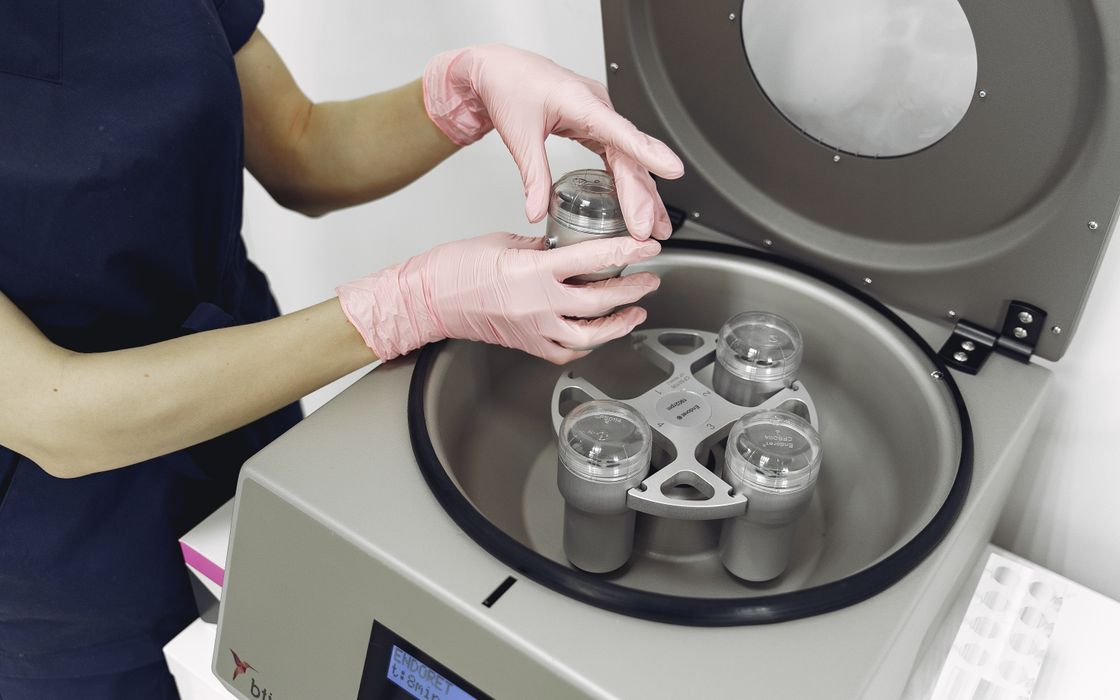
A small amount of blood is drawn, spun in a centrifuge to separate the platelet-rich plasma, and injected into the scalp where hair is thinning. Platelets release growth factors that can lengthen the hair's growth (anagen) phase, although the International Society of Hair Restoration Surgery (ISHRS) says the exact mechanism is still unknown. According to the American Academy of Dermatology (AAD), the procedure takes about 10 minutes and usually needs no downtime. PRP for the skin is covered in our guide to PRP and mesotherapy.
What the evidence says
Results are genuinely mixed. A 2024 meta-analysis of randomised trials found that PRP increased hair density in androgenetic alopecia compared with placebo, but the studies were small, highly varied and low quality, with signs of publication bias — and hair-shaft thickness did not change significantly. The ISHRS notes that some studies show benefit and others do not, partly because protocols vary so widely, and estimates that at least 30–50% of patients experience some benefit.
PRP protocols and how they differ
| What varies | Common options | Why it matters |
|---|---|---|
| Preparation | Single or double spin; different platelet concentrations; with or without an activator | “PRP” covers many recipes, so clinics and studies are hard to compare |
| Injection technique | Many small injections or fewer deeper deposits; sometimes with microneedling | Affects comfort and how evenly the plasma is spread |
| Schedule | Monthly for about three months, then every 3–6 months | Any benefit fades without maintenance |
| Combination | Alone, with minoxidil or finasteride, or around a hair transplant | PRP is an add-on, not a replacement for proven treatments |
There is no agreed standard protocol — ask exactly how a clinic prepares its PRP and how many sessions it plans.
Who might benefit — and who won't
- Men and women with early to moderate pattern hair loss, where hair is thinning rather than gone
- People whose hair loss is recent — the ISHRS counts them among the best candidates
- Those already using, or willing to use, proven medication and looking for an add-on
- Patients who have had, or are planning, an FUE hair transplant — the ISHRS describes PRP as a possible adjunct to surgery
What PRP cannot do
- It cannot regrow hair on completely bald areas — lost follicles do not come back
- It is not permanent: gains fade once you stop the sessions
- It does not replace surgery when the hairline has receded — only a transplant such as DHI or FUE adds follicles to bald zones
- It does not fix other causes of hair loss, such as illness, stress, weight loss or iron deficiency, which need a diagnosis first
- It is not advised with active scalp conditions such as skin cancer or pre-cancer, or certain systemic diseases; trials largely excluded people on blood thinners, pregnant women and people with cancer
The procedure step by step
Diagnosis first
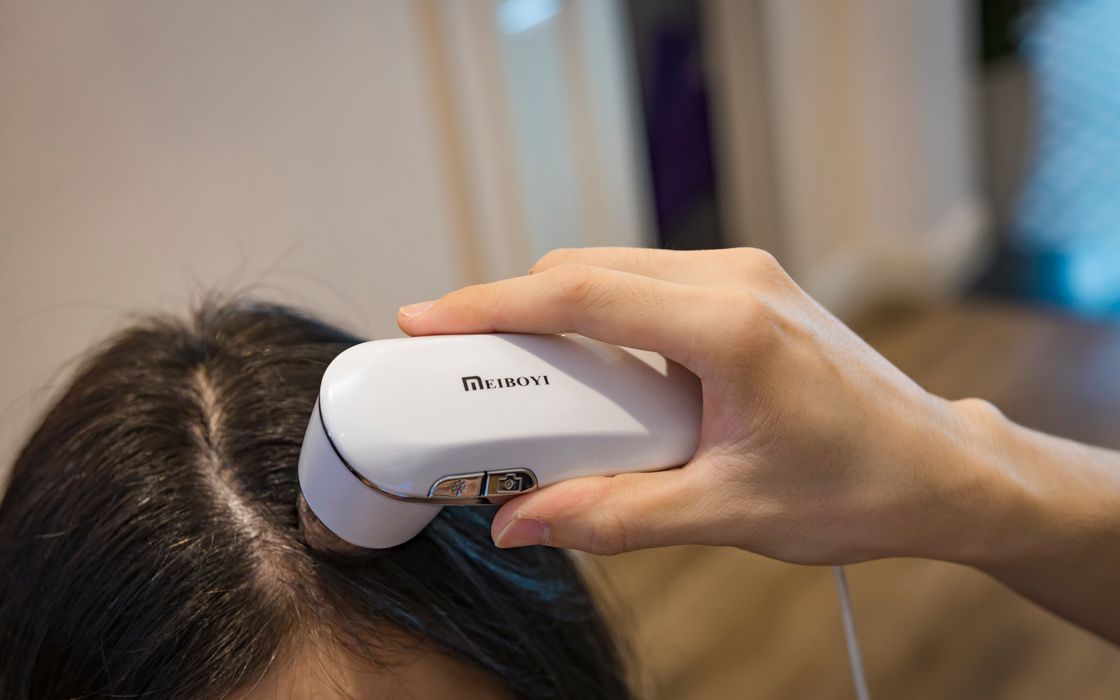
A doctor confirms the type of hair loss, examines the scalp and takes standardised photos, ruling out other causes.
Blood draw
A small amount of blood is taken from your arm, much like a routine blood test.
Preparation
The blood is spun in a centrifuge to concentrate the platelets, ideally with a single-use, sterile kit.
Injections
The plasma is injected into the thinning areas; some clinics offer numbing or combine it with microneedling.
Aftercare
You can gently style your hair straight away and resume normal activities; follow the clinic's advice on washing and exercise.
Recovery and results timeline
Same day
Mild tenderness
The scalp may feel sore or look red for a short time; most people carry on as normal.
Months 1–3
Initial course
Monthly sessions. Within the first few months, you may notice you are shedding less hair.
Months 3–6
Early changes
Some patients see increased density; compare standardised photos to judge whether it is working.
Every 3–6 months
Maintenance
Booster sessions preserve any gains; stopping means the benefit gradually fades.
12 months
Review
Decide with your doctor, using photos, whether PRP is worth continuing.
Results and how long they last
When PRP works, the typical result is less shedding and a modest gain in density, not a transformed hairline. Improvement builds over months, and the ISHRS stresses that benefits last only while treatment continues — which is why protocols include boosters every 3–6 months. Keep photos taken in the same light and at the same angle, so you can judge the change honestly.
PRP alongside medication
The NHS lists finasteride and minoxidil as the main treatments for male pattern baldness, with minoxidil also used for female pattern hair loss; women should not take finasteride. Both work only while they are used. Because PRP does not address the hormonal driver of pattern hair loss, reviewers recommend it as an add-on, and a meta-analysis found better density with PRP plus minoxidil than with minoxidil alone — though the certainty of that evidence was low to very low. Discuss any medication with a doctor before starting or stopping it.
Risks and how to reduce them
- Temporary pain at the injection sites — the main side effect in studies
- Short-lived redness, swelling, itching or headache
- Pinpoint bleeding at the injection sites
- Infection is uncommon, but the scalp surface cannot be fully sterilised, so hygiene matters
- Spending on a long course that was never likely to help, for example on completely bald areas
Be wary of big promises
PRP cannot bring back hair where follicles have gone, and there is no standard recipe. Treat guaranteed regrowth, “secret” additives or pressure to prepay a long package as red flags, and always ask what exactly is being injected.
Cost of PRP hair treatment in Turkey and what's included
€150–€450
Typical price per session
Outpatient
Hospital stay
1–2 days
Time in Turkey per visit
| Item | Typical price in Turkey | Notes |
|---|---|---|
| Single PRP session (scalp) | €150–€450 | Consultation and preparation usually included |
| First course (3–4 monthly sessions) | About €450–€1,800 in total | Course packages are often discounted |
| Maintenance session | As a single session | Every 3–6 months if you continue |
| PRP with a hair transplant | Sometimes included | Check whether your transplant package covers it |
Indicative 2026 prices; the preparation system and the clinic affect the cost.
These are indicative ranges, not fixed prices, and only a written quote is meaningful. Because a course means returning every month, flying to Turkey for each session rarely makes financial sense; it is often more practical to have a session during a trip you are already making, for example for a hair transplant, and continue with a qualified doctor at home. For comparison, the ISHRS describes fees of about $400 to $1,500 or more per session. When you are ready, you can get free quotes from clinics in Turkey.
Choosing a clinic safely
- Start with a doctor-led diagnosis by a physician registered in Turkey — ideally a dermatologist or hair-restoration specialist — not a salon consultation
- Choose a licensed medical facility that uses single-use, sterile kits and can explain how the plasma is prepared
- Check that the clinic holds the Ministry of Health's International Health Tourism Authorisation Certificate (Uluslararası Sağlık Turizmi Yetki Belgesi)
- Get a written plan and quote: preparation method, number of sessions, maintenance and total cost
- Ask for realistic before-and-after photos taken in the same lighting and at the same angle
- Red flags: guaranteed regrowth, promises for completely bald areas, undisclosed “cocktail” additives and pressure to prepay large packages
Ask how they make their PRP
Because methods vary so much, ask which system is used, whether it is single or double spin, whether an activator is added and how many sessions are planned. A clinic that answers clearly — and keeps standardised photos — is easier to trust and to compare.
PRP is a reasonable add-on for early thinning, not a cure for baldness. Go in with modest expectations, keep standardised photos and give it a fair trial of several months before deciding whether it is worth continuing.
— WhichClinic Editorial Team
Clinics offering PRP Hair Treatment in Istanbul
Stars are Google ratings (third-party data), not WhichClinic reviews. Listings are compiled from public business data. Confirm that the clinic performs this procedure when you request a quote.
- 15.0 (1,475)Best Hair Transplant Istanbul, Turkey, Men/Women Hair Restoration Turkey, Fue Hair Transplant Turkey
Bakırköy, Istanbul
- 25.0 (1,459)
Bakırköy, Istanbul
- 35.0 (1,459)
Bakırköy, Istanbul
- 4 5.0 (675)
- 55.0 (630)
Bakırköy, Istanbul
- 65.0 (568)
Esenyurt, Istanbul
- 75.0 (526)
Küçükçekmece, Istanbul
- 8 5.0 (403)
Get free quotes for PRP Hair Treatment (Platelet-Rich Plasma for Hair Loss)
Tell us what you need and receive tailored offers from matched clinics — free, private and with no obligation.
- Verified badge only after document checks
- Free and no obligation
- Compare multiple offers side by side
Your details stay private — shared only with matched clinics.
Frequently asked questions
It can help some people, mainly with early pattern hair loss, by reducing shedding and modestly improving density. But the evidence is mixed: trials are small, use different methods and are rated low quality. The ISHRS estimates that at least 30–50% of patients see some benefit.
Most protocols use three sessions about a month apart, then maintenance every 3–6 months. There is no single agreed schedule, so ask your clinic why it recommends a particular plan.
No. PRP works on follicles that are thinning, not on areas that are completely bald. For those, a hair transplant such as FUE or DHI is the realistic option.
The ISHRS describes PRP as a possible adjunct for patients having surgery, and some clinics include a session in transplant packages. It is an optional extra rather than an essential part of the transplant.
Most people feel some discomfort: temporary pain at the injection sites is the most common side effect. Some clinics offer numbing, and soreness usually settles quickly.
Yes — specialists generally see PRP as an add-on to medication rather than a replacement. A meta-analysis found better density with PRP plus minoxidil than with minoxidil alone, although the evidence was low certainty. Women should not take finasteride; ask a doctor before starting any medication.
A session needs no hospital stay, so one to two days per visit is enough. Because a course involves monthly sessions, it is usually most practical to combine PRP with a trip you are already making, such as for a hair transplant.
Sources
Medical background was checked against these references. This guide is educational and does not replace a consultation with a qualified doctor.
- International Society of Hair Restoration Surgery (ISHRS) — Platelet-rich plasma (PRP) for hair loss
- American Academy of Dermatology — Hair loss: diagnosis and treatment
- NHS — Hair loss
- International Journal of Women's Dermatology (PMC) — Platelet-rich plasma for androgenetic alopecia: a review of the literature and proposed treatment protocol
- Anais Brasileiros de Dermatologia (PMC) — Is autologous platelet-rich plasma capable of increasing hair density in androgenic alopecia? Systematic review and meta-analysis
- PLOS ONE (PMC) — The additive value of platelet-rich plasma to topical minoxidil in androgenetic alopecia: systematic review and meta-analysis