Eye Surgery in Turkey
Clear vision without glasses — matched to your eyes, not a one-size-fits-all package.
- Typical package price in Turkey (2026)
- €1,000 – €2,500
- Time in Turkey
- 2–4 days
Indicative range from published package prices; your written quote depends on your case. · Updated:

At a glance
- Typical package price in Turkey (2026)
- €1,000 – €2,500
- Procedure time
- 10–15 minutes (laser, both eyes)
- Anaesthesia
- Anaesthetic eye drops
- Hospital stay
- Not needed — home the same day
- Time in Turkey
- 2–4 days
- Recovery
- Daily tasks after 1–2 days (LASIK/SMILE)
- Final result
- Stable vision in 1–3 months
Eye surgery for glasses and contact lens wearers covers two broad families of procedure. Laser vision correction reshapes the cornea to correct short sight, long sight and astigmatism. Lens-based surgery either adds an implant inside the eye or replaces the natural lens — used for very high prescriptions, corneas too thin for laser, or cataracts. The right choice depends far more on your eyes than on the price list, and no reputable clinic can decide it without a full examination first.
How it's done
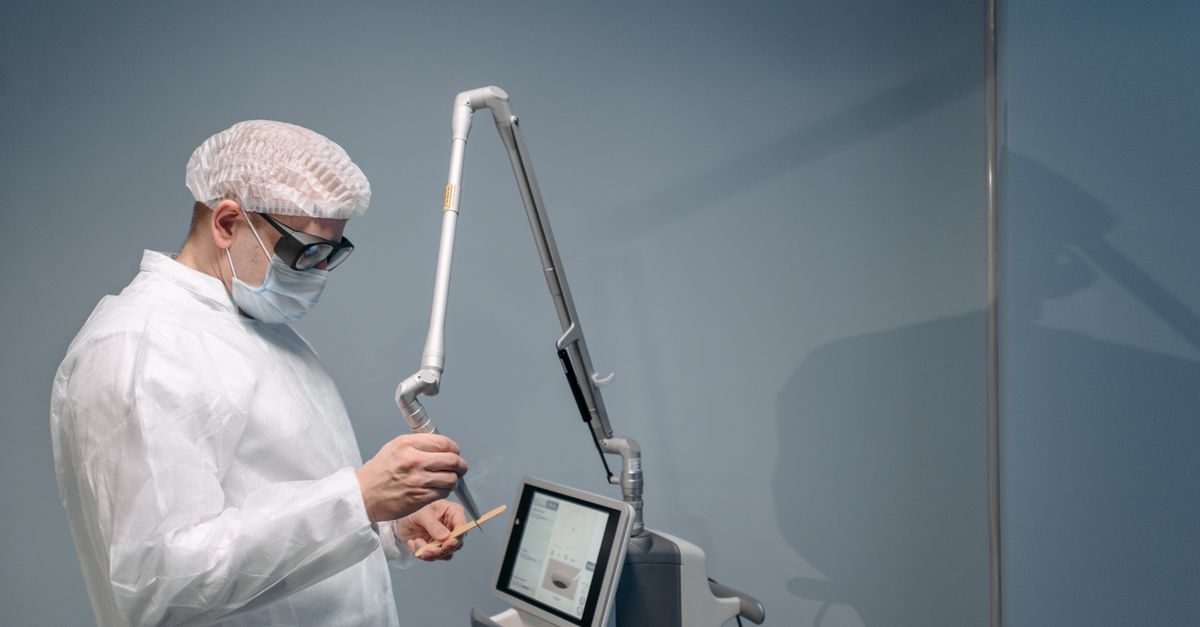
Laser procedures are done awake, with only anaesthetic eye drops — no injections and no general anaesthetic. You lie flat, the eye is held gently open, and you focus on a target light while the laser works. The laser itself runs for seconds per eye, and the whole session usually takes about 10–15 minutes for both eyes. It is not painful; most people feel pressure and see the light dim briefly. You go home the same day, but you cannot drive yourself and will need dark glasses and someone to accompany you.
Measurements and mapping
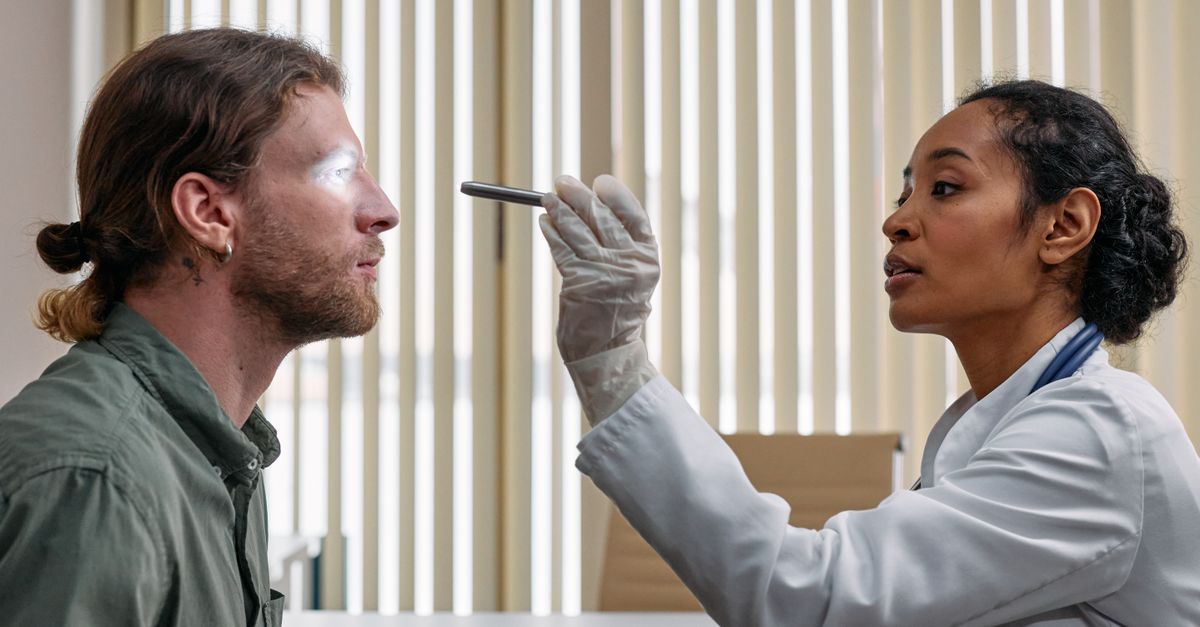
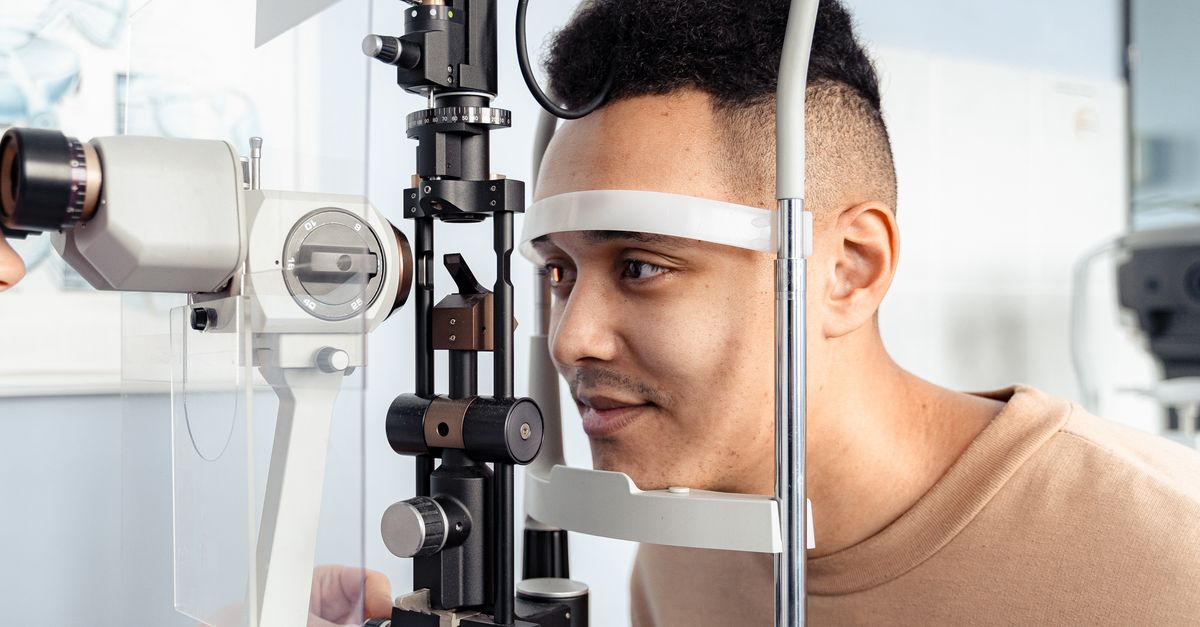
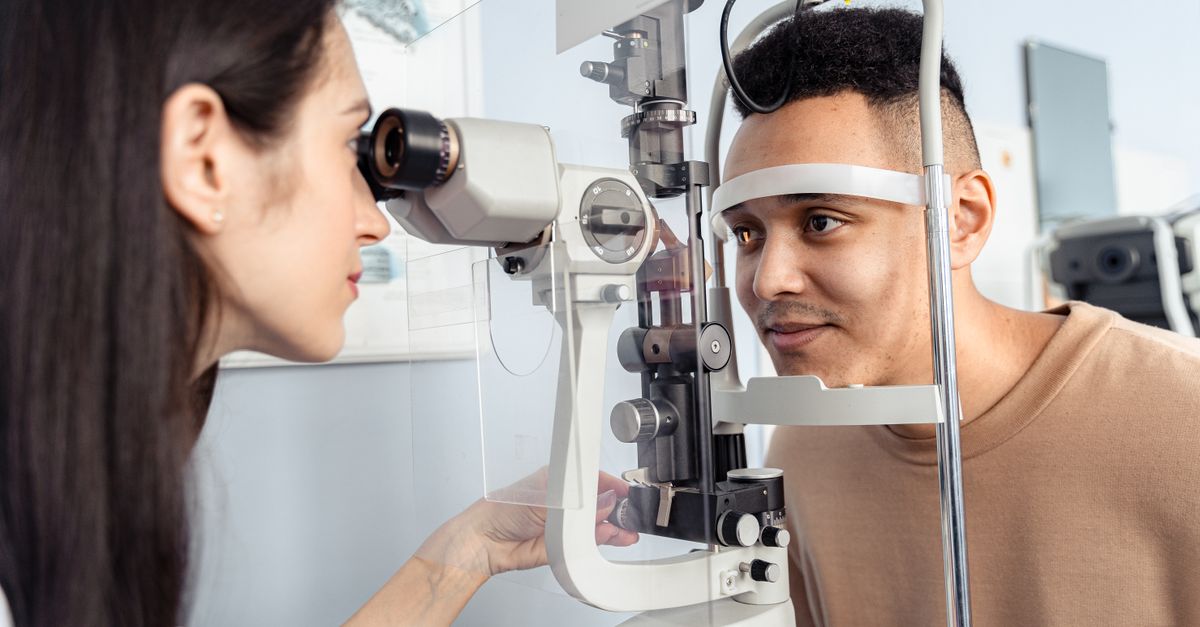
Corneal thickness, pupil size, tear film and a detailed map of the eye's surface are checked. This is where candidacy is decided — not on the phone beforehand.
Numbing
Anaesthetic drops make the eye insensitive within a minute. A soft holder keeps you from blinking; you will not feel able to 'ruin it' by moving.
The laser
Depending on the method the surgeon lifts a thin flap, works on the surface, or removes a small lens-shaped piece of tissue, then reshapes the cornea. You stare at a fixation light throughout.
Straight after
Vision is misty and the eyes water and sting for a few hours. You rest, use the drops you are given, and attend a check the next morning.
Matching the method to your eyes
There is no single 'best' operation — each suits a different eye. A proper assessment matches the technique to your prescription, corneal thickness and lifestyle.
| Procedure | Best suited for | How it works |
|---|---|---|
| LASIK | Most short/long sight and astigmatism with normal corneas | A femtosecond laser lifts a thin flap; an excimer laser reshapes the cornea beneath; the flap settles back. Fast visual recovery. |
| LASEK / PRK | Thinner corneas, dry eyes, contact-sport or active lifestyles | Surface treatment with no flap — the outer layer heals over a few days. Same end result, more discomfort in the first week. |
| SMILE | Short sight and astigmatism | A small lenticule is shaped inside the cornea and removed through a 2–4 mm incision. Flapless, and often gentler on the tear film. |
| Phakic IOL / ICL | Very high prescriptions, or corneas too thin for laser | A soft lens is placed inside the eye without removing the natural lens. It does not reshape the cornea and can be removed later. |
| Cataract / lens exchange | Cataracts, or over-45s wanting less dependence on reading glasses | The natural lens is replaced with an artificial intraocular lens — monofocal, multifocal or trifocal. |
The technique is chosen from your exam, not from a menu.
A few things decide whether laser is safe for you at all: a stable prescription (usually little change for around a year), enough corneal thickness to reshape safely, healthy eyes with any dry eye managed first, and being 18 or older — ideally into your twenties, when the prescription has settled. Pregnancy, some medications and conditions like keratoconus change the plan. If laser is ruled out, a lens implant is often still an option.
Cataract surgery and lens choices
In cataract surgery the clouded natural lens is broken up by ultrasound (phacoemulsification) and replaced with a clear artificial lens, through a tiny self-sealing incision. It is painless under drops and takes roughly 15–20 minutes per eye. The lens you choose shapes the result: a monofocal lens gives crisp vision at one distance (you still wear glasses for reading); multifocal and trifocal lenses aim for distance, intermediate and near together, reducing glasses use but making some halos or glare around lights at night more likely. Toric versions correct astigmatism. The same lens-replacement operation done purely to reduce glasses in an older eye is called refractive lens exchange.
Recovery timeline
Day 1
Hazy and watery
Vision is blurry, eyes water and feel gritty, and light is uncomfortable. This is expected. You wear a shield at night and use your drops on schedule.
Days 2–3
Functional again
After LASIK or SMILE most people see well enough for everyday tasks and return to a screen. PRK/LASEK is slower — vision stays blurry while the surface heals under a bandage contact lens.
Week 1
Back to routine
Many are cleared to drive and work once the surgeon confirms your vision. Avoid rubbing your eyes, swimming, dust and eye make-up.
Weeks 2–4
Settling
Vision sharpens and steadies. Night-time glare and dryness, if present, are usually easing. Surface procedures reach this point later than LASIK.
1–3 months
Final result
Vision stabilises fully and drops are tapered off. Any decision about an enhancement is made only once things have settled.
What it costs
Turkey is cheaper for eye surgery mainly because of lower staff, facility and living costs and a high volume of cases — not because the lasers or lenses are different. Leading Turkish eye hospitals use the same femtosecond and excimer platforms and the same branded intraocular lenses as clinics in Western Europe. The figures below are approximate and set per assessment: your real quote depends on the method, the lens and your eyes. The headline range for the common laser procedures is roughly €1,000–€2,500 for both eyes, with premium trifocal lenses and ICL implants sitting at or above the top of that band.
| Procedure / lens | Approx. range, both eyes |
|---|---|
| LASIK / LASEK / PRK | €1,000–€2,500 |
| SMILE | €1,500–€3,000 |
| Cataract, monofocal lens | €2,400–€3,600 |
| Multifocal / trifocal lens | €4,400–€9,000 |
| Phakic IOL / ICL | €3,000 and up |
Indicative Turkey pricing; the final quote follows your eye exam and lens choice.
10–15 min
typical laser session, both eyes
24–48 hrs
many back to everyday tasks (LASIK/SMILE)
18+
minimum age, with a stable prescription
€1,000–€2,500
approximate both-eyes range
Choosing a clinic safely
The single most important factor is whether you are examined properly and told the honest answer — including 'no'. Insist that a qualified ophthalmic surgeon, not a coordinator, reviews your scans and performs the operation. Ask which exact laser or lens will be used, who does your follow-up if you fly home, and what happens if you need an enhancement. Be wary of a quote given before any measurements, and of anyone promising a guaranteed result: honest surgeons talk in probabilities. A listing on WhichClinic is not an endorsement or a check of the surgeon or equipment, so make these checks yourself wherever you go.
Not everyone is a candidate — insist on screening
A safe outcome starts with a thorough exam of corneal thickness, prescription stability, tear film and retinal health. Thin or irregular corneas, an unstable prescription, uncontrolled dry eye or conditions like keratoconus can make laser unsafe. A clinic that offers surgery without these tests, or pressures you toward a same-day operation, is a red flag — walk away.
A note on this page
This is general information, not medical advice. Which procedure is suitable, the likely outcome and the real risks for your eyes can only be judged by a qualified ophthalmologist after an in-person examination. Always discuss your own case, medications and expectations with the treating surgeon.
The best result in eye surgery is not the fastest booking or the lowest price — it is the surgeon who measures carefully, explains the trade-offs, and is willing to tell you the operation is not right for you.
— WhichClinic Editorial Team
Clinics offering Eye Surgery in Istanbul
Stars are Google ratings (third-party data), not WhichClinic reviews. Listings are compiled from public business data. Confirm that the clinic performs this procedure when you request a quote.
- 1 5.0 (926)
- 25.0 (909)
Bakırköy, Istanbul
- 35.0 (270)
Şişli, Istanbul
- 45.0 (216)
Şişli, Istanbul
- 55.0 (201)
Bakırköy, Istanbul
- 65.0 (146)
Esenyurt, Istanbul
- 75.0 (138)
Ataşehir, Istanbul
- 85.0 (127)
Kadıköy, Istanbul
Get free quotes for Eye Surgery in Turkey
Tell us what you need and receive tailored offers from matched clinics — free, private and with no obligation.
- Verified badge only after document checks
- Free and no obligation
- Compare multiple offers side by side
Your details stay private — shared only with matched clinics.
Frequently asked questions
During the procedure, no — anaesthetic drops numb the eye and you feel pressure at most, not pain. Afterwards the eyes water, sting and feel gritty for a few hours (longer with PRK/LASEK, where a bandage contact lens covers the healing surface for several days). Simple painkillers and the drops you are given usually manage this well.
Most patients can fly a day or two after laser surgery once a post-op check is done, but confirm timing with your surgeon — you should keep water and rubbing away from the eye. Driving depends on your vision being cleared, often within a few days for LASIK or SMILE and a little longer for surface procedures. Never drive until the clinic confirms you meet the legal standard.
The corneal reshaping and lens implants themselves are permanent. But surgery does not freeze your eyes in time: age-related reading difficulty (presbyopia) still arrives around your forties, and cataracts can still form later — both treatable in their own right. A small number of people need an enhancement to fine-tune the correction.
Only an exam can say. Good candidates generally have a stable prescription, healthy eyes, adequate corneal thickness and are 18 or older. Thin or irregular corneas, an unstable prescription, significant dry eye, pregnancy or conditions like keratoconus may rule out laser — though a lens implant is often an alternative. A responsible clinic will tell you honestly if you are not suitable.
The common ones are temporary dry eye and night-time glare or halos around lights, which usually settle over weeks to months; multifocal lenses make halos more likely. Under- or over-correction can need an enhancement. Serious problems such as infection or flap complications are uncommon but real, which is why screening, a skilled surgeon and proper aftercare matter.
Sources
Medical background was checked against these references. This guide is educational and does not replace a consultation with a qualified doctor.
- American Academy of Ophthalmology — What is refractive surgery?
- NHS — Laser eye surgery and lens surgery
- NICE — Photorefractive (laser) surgery for the correction of refractive errors (HTG107)
- American Academy of Ophthalmology — Cataract surgery: risks, recovery, costs
- American Academy of Ophthalmology — Implantable Collamer Lens (ICL)
- NHS — Cataract surgery