Orthopedic Surgery in Turkey
Knee and hip replacement, ACL reconstruction and spine surgery in Turkey — hospital-based care, rehabilitation and a safe trip home.
- Typical package price in Turkey (2026)
- €4,000 – €20,000
- Time in Turkey
- About 5–14 days, by procedure
Indicative range from published package prices; your written quote depends on your case. · Updated:

At a glance
- Typical package price in Turkey (2026)
- €4,000 – €20,000
- Procedure time
- About 1–3 hours, by procedure
- Anaesthesia
- Spinal, regional or general
- Hospital stay
- Same day to several nights
- Time in Turkey
- About 5–14 days, by procedure
- Recovery
- Weeks to 3 months, by procedure
- Final result
- Improve over 3–12 months
Orthopedic surgery treats problems of the bones, joints, ligaments and spine. This guide covers the planned operations international patients commonly ask about in Turkey: knee replacement, hip replacement, ACL reconstruction and spine surgery. Typical 2026 packages range from about €4,000 for a ligament reconstruction to €20,000 or more for complex spine surgery, and most trips last one to two weeks. Results depend as much on rehabilitation as on the operation itself.
What orthopedic surgery is and how it works
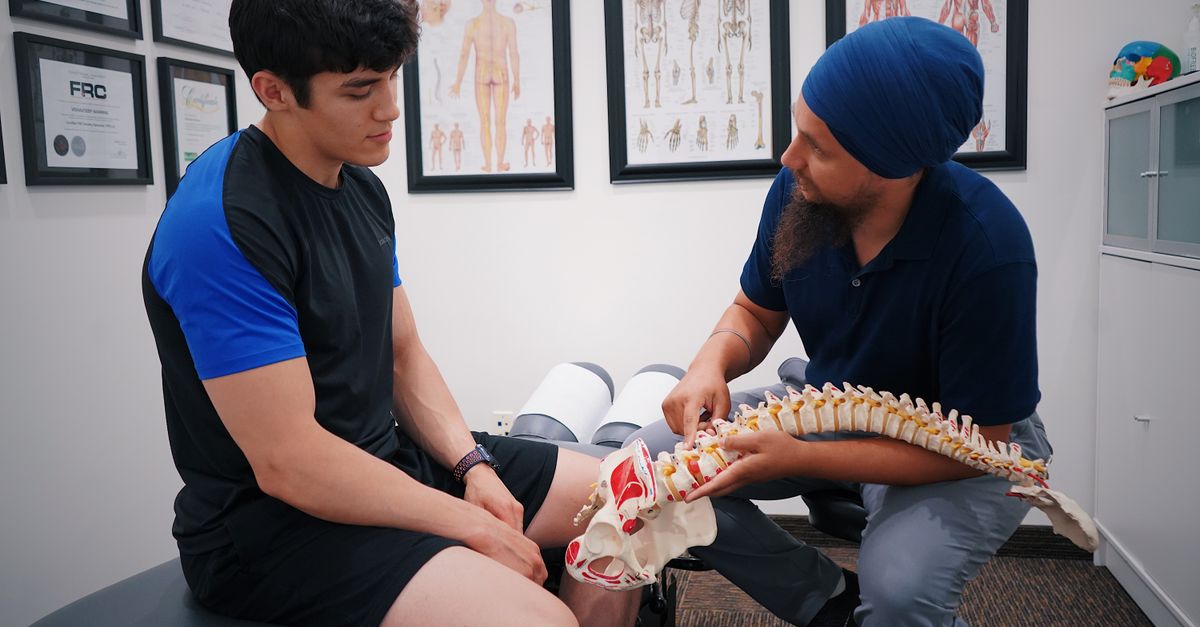
In Turkey, these operations are performed by specialists in orthopaedics and traumatology (ortopedi ve travmatoloji) and, for the spine, also by neurosurgeons. They fall into three groups: joint replacement (arthroplasty), where arthritic joint surfaces are replaced with metal, ceramic or plastic implants; ligament and sports surgery, usually through keyhole (arthroscopic) incisions; and spine surgery, which relieves pressure on nerves or stabilises the spine. All are done in hospitals, which provide sterile operating theatres, intensive care, imaging, blood-clot prevention and physiotherapy on site.
Surgery is rarely the first step
Most joint and back problems are treated first with physiotherapy and exercise, weight management, pain relief, braces or injections. Surgery is considered when these have been given a fair trial and symptoms still limit daily life, or when damage will not heal on its own. For back problems, UK NICE guidance suggests considering decompression surgery for sciatica when non-surgical treatment has not helped and scans match the symptoms, and advises against spinal fusion for low back pain alone outside clinical trials.
Types of orthopedic surgery in Turkey
Each procedure below has its own detailed guide. Specialised operations such as limb lengthening are covered separately.
| Procedure | What it treats | Hospital stay | Plan in Turkey | Guide package price (2026) |
|---|---|---|---|---|
| Knee replacement | Severe knee arthritis; total, partial or robotic-assisted | 1–4 nights | 10–14 days | ≈ €6,000–12,000 per knee |
| Hip replacement | Severe hip arthritis and some hip fractures | 1–3 nights | 10–14 days | ≈ €8,000–15,000 |
| ACL reconstruction | A torn knee ligament causing instability; keyhole graft surgery | Day surgery or one night | 7–10 days | ≈ €4,000–9,000 |
| Spine surgery | Discs or narrowing pressing on nerves, deformity or instability | Same day to several nights | 7–14 days | ≈ €4,000 (discectomy) to €20,000+ (fusion) |
Guide ranges only; stay and price depend on the exact operation and your health.
Who is a good candidate
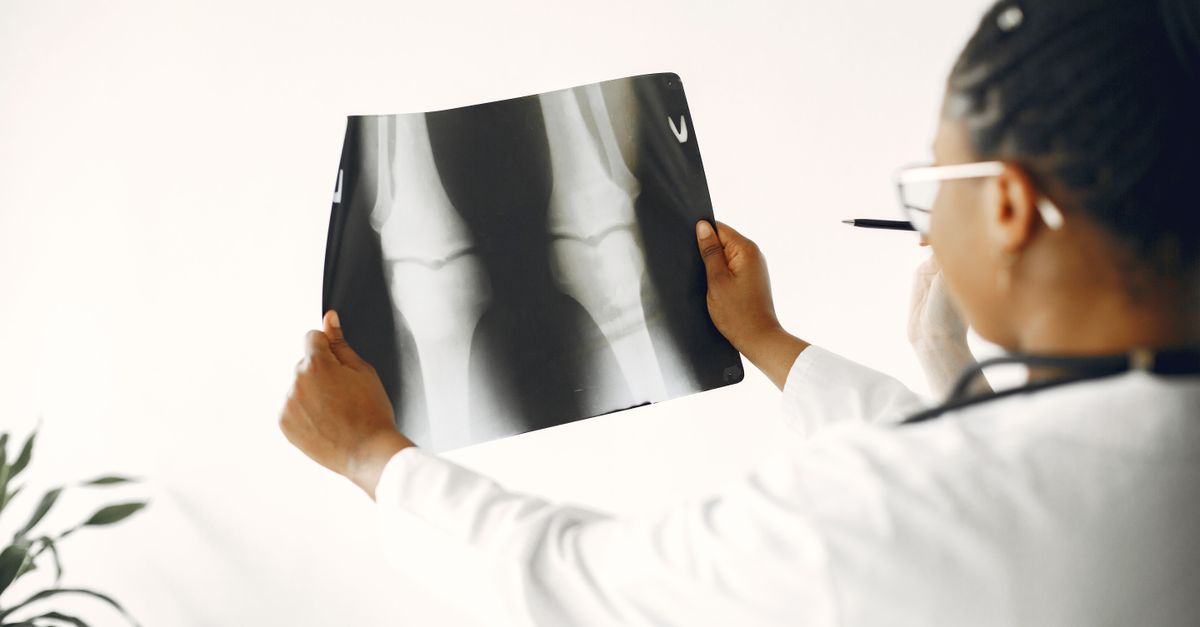
- People with a clear diagnosis — X-rays, MRI or CT that explain the symptoms — and a specialist recommendation for a specific operation.
- Those whose pain, stiffness or instability still limits daily life after a genuine trial of non-surgical treatment.
- Patients fit to fly and to have anaesthesia, with heart, lung and blood-pressure problems and diabetes well controlled.
- People who can commit to weeks or months of rehabilitation, in Turkey and at home.
When surgery abroad may not be the right choice
- Back pain without nerve compression or another clear structural cause.
- A recent blood clot, active infection, unstable heart or lung disease or poorly controlled diabetes — these need treatment first.
- Complex revision surgery or conditions needing close long-term specialist follow-up, which may be safer near home.
- No way to arrange physiotherapy and a doctor to follow you up after you return.
The treatment journey step by step
Specialist review of your scans
Send recent X-rays, MRI or CT reports and your medical history; the surgeon confirms whether surgery is appropriate, which operation and why, with a written plan and quote.
Preparing at home
Strengthening exercises, stopping smoking and weight management support recovery. Treat any infection, including dental or skin problems, first.
Pre-operative tests
An in-person consultation, blood tests, an ECG and an anaesthetic assessment, usually the day before surgery.
Surgery in hospital
Under spinal, regional or general anaesthesia, typically 1–3 hours, with pain relief and blood-clot prevention started straight away.
Early mobilisation
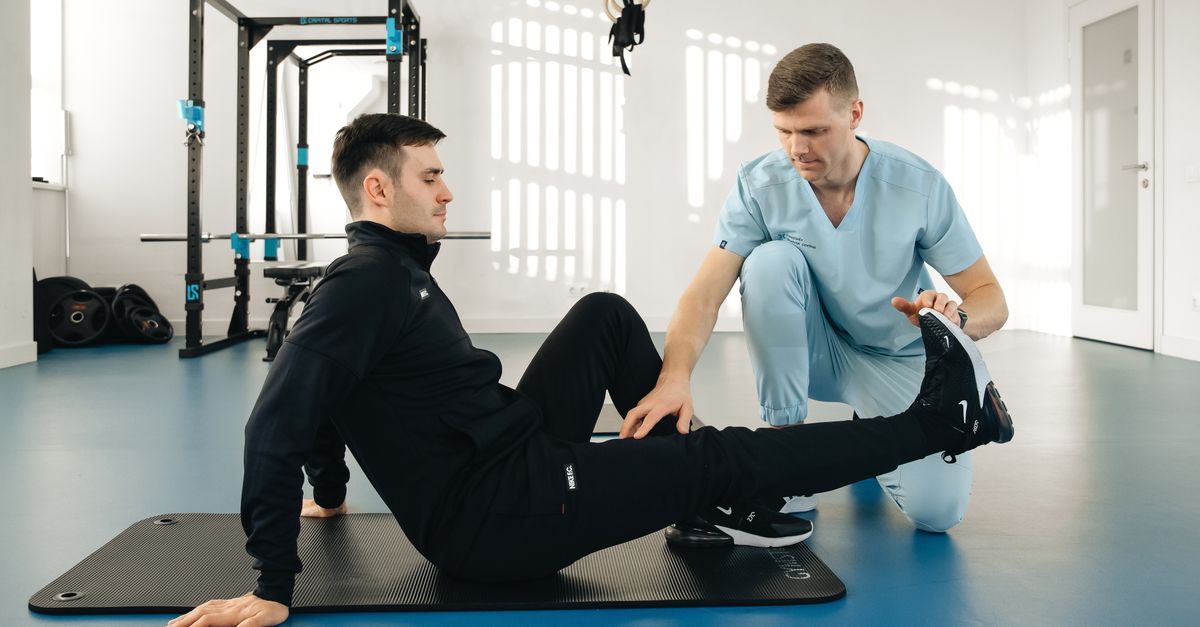
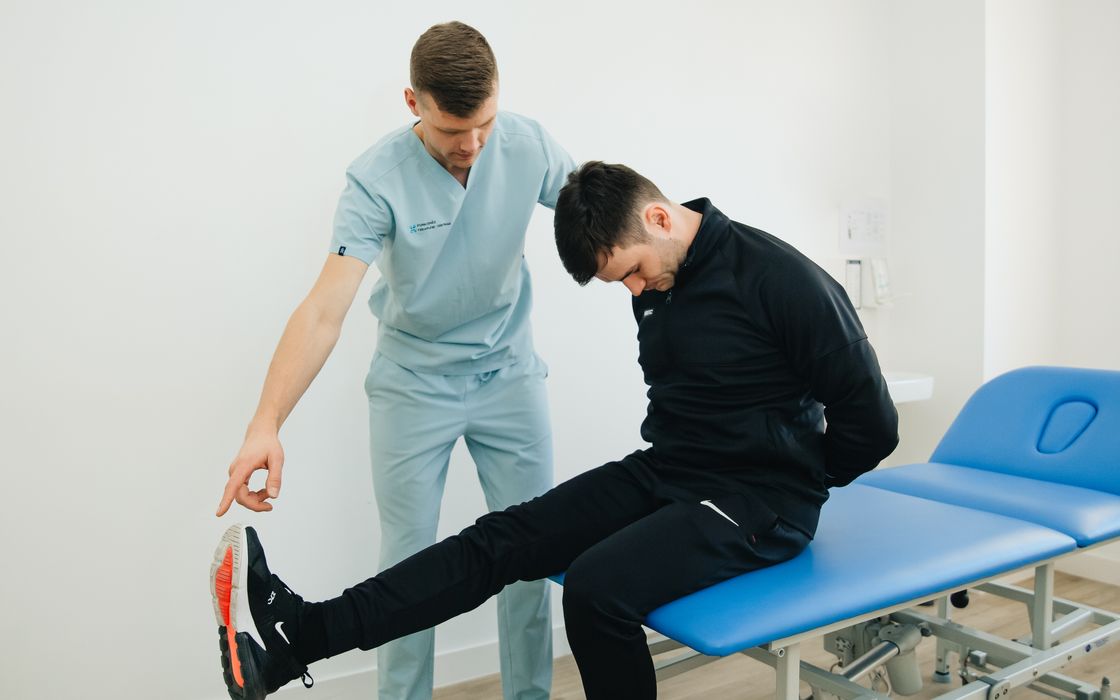
Physiotherapists get you moving quickly; for joint replacement, NICE recommends starting rehabilitation within 24 hours.
Discharge and wound check
You recover nearby with physiotherapy, then receive a discharge summary with implant details, medicines and an exercise plan before flying.
Follow-up at home
Continue exercises and clot prevention as prescribed, with a review at around 6–12 weeks, locally or by video with your surgeon.
Recovery timeline
Day 0–1
Moving again
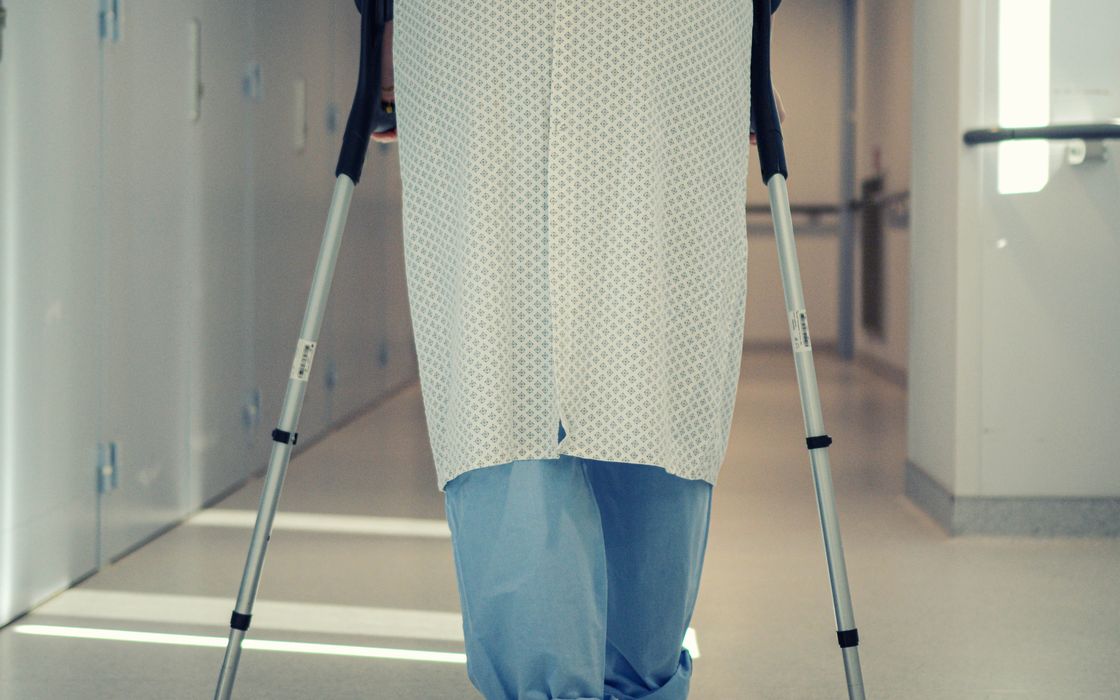
Walking with a frame or crutches, or short walks after spine surgery, plus breathing and ankle exercises.
Days 1–4
Leaving hospital
Most hip and knee replacement patients go home within 1–4 nights; ACL and some spine operations need shorter stays.
Days 7–14
Wound check and flight home
Stitches or clips usually come out after about 10 days, and your surgeon confirms in writing whether you are fit to travel.
Weeks 2–6
Rehabilitation at home
Daily exercises while walking aids are reduced. After hip or total knee replacement, the NHS advises no driving for at least 6 weeks.
Weeks 6–12
Review and return to work
After joint replacement, many people return to work between about 6 and 12 weeks, depending on the job.
Months 3–12
Strength and sport
Strength and confidence keep improving; return to sport follows the protocol for your operation.
Results and how long they last
For the right patient, orthopedic surgery can substantially reduce pain and restore mobility, but outcomes depend on the diagnosis, the operation and the rehabilitation. Joint replacements are built to last: the NHS says most knee replacements last around 25 years, and our knee replacement guide explains the registry data. ACL reconstruction aims for a stable knee, and returning to pivoting sports takes many months. Spine surgery helps most when a specific problem, such as a disc pressing on a nerve, clearly matches the symptoms.
Risks and how to reduce them
- Blood clots (DVT and pulmonary embolism) — the key risk to plan around when you travel. Early walking, compression stockings and preventive medicine lower it; UK NICE guidance recommends about 14 days of medication after knee replacement and four weeks or more after hip replacement.
- Infection — wound infections usually respond to antibiotics, but a deep joint or spinal infection can need further surgery.
- Anaesthesia and bleeding risks, higher with heart or lung disease.
- Nerve, blood vessel or ligament injury — uncommon.
- Stiffness, persistent pain or instability, or symptoms that are not fully relieved.
- Longer-term problems such as implant loosening, graft failure or a recurrent disc problem, which may need revision surgery.
Flying home after joint or spine surgery
Surgery and long flights both raise the risk of blood clots, and there is no evidence-based rule on when to fly after joint surgery. A 2023 survey of UK hip and knee surgeons found advice ranging from 14 to 180 days; some airlines require a doctor's certificate and some insurers restrict cover. Get written fit-to-fly advice, keep taking prescribed clot prevention, wear compression stockings, walk and flex your ankles in flight, and check your travel insurance covers the journey home.
Warning signs after you leave hospital
Calf pain or swelling, chest pain or sudden breathlessness can mean a blood clot and need emergency care — even on the journey home. Fever, spreading redness or wound discharge can mean infection.
Cost of orthopedic surgery in Turkey and what's included
€4,000–20,000
typical package range, by procedure
1–4 nights
usual hospital stay after joint replacement
1–2 weeks
typical time in Turkey
| Usually included | Often extra — check your quote |
|---|---|
| Surgeon and anaesthesia fees | Flights and travel insurance |
| Implant or graft and hospital stay | Hotel nights beyond the package |
| Pre-operative tests: bloods, ECG, imaging | Physiotherapy once you are home |
| Medicines in hospital, including clot prevention | Robotic surcharges and premium implants |
| Airport transfers and hotel in many packages | Treatment of complications or revision surgery |
Packages differ widely; always get an itemised written quote.
Prices vary with the operation, implant, hospital and length of stay, so treat these figures as a starting point, not a quote. A real price needs a surgeon to review your scans and history — you can get free quotes from several hospitals and compare what each includes.
Choosing a hospital safely
- Hospital-based care: a licensed hospital with intensive care, imaging and physiotherapy on site; JCI accreditation is a useful extra check.
- The right specialist: an orthopaedics and traumatology surgeon — or, for spine surgery, a spine surgeon or neurosurgeon — registered in Turkey and named in writing.
- Health tourism authorisation: the Ministry of Health's International Health Tourism Authorisation Certificate (Uluslararası Sağlık Turizmi Yetki Belgesi).
- A written, itemised quote covering implant, nights in hospital, physiotherapy and the complication and revision policy.
- A rehabilitation and follow-up plan, including remote follow-up after you fly home.
- Red flags: no named surgeon, surgery offered before anyone reviews your scans, pressure to pay quickly, or 'guaranteed' results.
Set up the home side first
Before you book, arrange physiotherapy near home and tell your family doctor, who may need to manage clot prevention and wound checks after you return.
In orthopedics, the operation is the starting line, not the finish. The hospital you choose, the physiotherapy you do and the follow-up at home decide how far you get.
— WhichClinic Editorial Team
Clinics offering Orthopedic Surgery in Istanbul
Stars are Google ratings (third-party data), not WhichClinic reviews. Listings are compiled from public business data. Confirm that the clinic performs this procedure when you request a quote.
- 1 5.0 (256)
- 25.0 (244)
Küçükçekmece, Istanbul
- 35.0 (192)
Şişli, Istanbul
- 4 5.0 (169)
- 55.0 (136)
Esenyurt, Istanbul
- 65.0 (131)
Avcılar, Istanbul
- 75.0 (114)
Şişli, Istanbul
- 84.9 (477)
Fatih, Istanbul
Get free quotes for Orthopedic Surgery (Joint & Spine)
Tell us what you need and receive tailored offers from matched clinics — free, private and with no obligation.
- Verified badge only after document checks
- Free and no obligation
- Compare multiple offers side by side
Your details stay private — shared only with matched clinics.
Frequently asked questions
Commonly requested operations include knee and hip replacement, ACL (knee ligament) reconstruction and spine surgery such as discectomy, decompression or fusion. All are hospital-based; our individual guides explain the techniques, recovery and costs of each.
As a 2026 guide: ACL reconstruction about €4,000–9,000, knee replacement about €6,000–12,000 per knee, hip replacement about €8,000–15,000, and spine surgery from about €4,000 for a discectomy to €20,000 or more for fusion. Robotic surgery, premium hospital groups and complex cases cost more. Prices are set after a surgeon reviews your scans.
Roughly 5–7 days for ACL reconstruction, 7–14 days for most spine operations and 10–14 days for hip or knee replacement. That allows time for pre-operative tests, the hospital stay, early physiotherapy and a wound check before you fly.
There is no evidence-based rule: a 2023 survey of UK surgeons found advice ranging from 14 to 180 days after hip or knee replacement, and some airlines and insurers set their own conditions. Get written fit-to-fly advice from your surgeon, continue clot prevention and move regularly during the flight.
Through early walking, compression stockings and preventive medicine, which usually continues after discharge. UK NICE guidance recommends about 14 days of preventive medication after knee replacement and four weeks or more after hip replacement. Keep taking it while you travel unless your doctor says otherwise.
Yes. Rehabilitation starts in hospital, but most of the work happens in the following weeks. Before discharge you should receive a home exercise programme; arrange physiotherapy near home in advance, especially if daily activities are difficult.
Only for specific problems. UK NICE guidance suggests considering decompression surgery for sciatica when non-surgical treatment has not helped and scans match the symptoms, but advises against spinal fusion for low back pain alone outside clinical trials. A careful specialist assessment comes first.
Look for a licensed hospital with intensive care and physiotherapy on site, a named orthopaedics and traumatology specialist (or spine surgeon) registered in Turkey, the Ministry of Health's International Health Tourism Authorisation Certificate, and an itemised written quote that includes aftercare and the complication policy.
Sources
Medical background was checked against these references. This guide is educational and does not replace a consultation with a qualified doctor.
- NHS — Knee replacement: how it's done, recovery and complications
- NHS — Recovering from a hip replacement
- NICE — NG157 Joint replacement (primary): hip, knee and shoulder
- NICE — NG89 Venous thromboembolism in over 16s: reducing the risk of hospital-acquired DVT or PE
- NICE — NG59 Low back pain and sciatica in over 16s: assessment and management
- Cureus (via PMC) — Is there a consensus on air travel following hip and knee arthroplasty? (2023)