
ICL Surgery in Turkey
ICL in Turkey: a removable lens implant for high myopia and thin corneas — worth it only with precise sizing and long-term check-ups.
- Typical package price in Turkey (2026)
- €3,000 – €6,000
- Time in Turkey
- 3–5 days
Indicative range from published package prices; your written quote depends on your case. · Updated:
Full specialty guide
At a glance
- Typical package price in Turkey (2026)
- €3,000 – €6,000
- Procedure time
- About 15–30 minutes per eye
- Anaesthesia
- Numbing drops, often light sedation
- Hospital stay
- None — same-day (outpatient)
- Time in Turkey
- 3–5 days
- Recovery
- Most daily activities in 2–3 days
- Final result
- Clear within days; settled in 1–4 weeks
An ICL (Implantable Collamer Lens) is a thin, flexible lens placed inside the eye — behind the iris and in front of your natural lens — to correct short-sightedness and astigmatism without removing corneal tissue. It is used mainly for moderate to high myopia and for people whose corneas are too thin or irregular for LASIK or SMILE. In Turkey, an ICL package for both eyes typically costs €3,000–€6,000, and most patients plan a trip of 3–5 days.
What ICL surgery is and how it works
Laser treatments reshape the cornea; ICL surgery adds a lens instead. The lens is made of Collamer, a soft material containing a small amount of collagen. Through an incision of about 3 mm, the surgeon injects the folded lens, which unfolds and is tucked behind the iris, vaulting just clear of your natural lens. That natural lens stays in place — ICL is a phakic intraocular lens, “phakic” meaning the natural lens is kept — and because nothing is cut from the cornea, the ICL can be removed or exchanged later.
EVO Visian ICL and toric lenses
The most widely used model is the EVO Visian ICL by STAAR Surgical. Its tiny central port, about 0.36 mm wide, lets fluid circulate naturally, so the small laser openings in the iris (iridotomy) that older models required are usually unnecessary. Toric versions also correct astigmatism, and EVO+ has a larger optical zone. In the United States, EVO is the only FDA-approved ICL, for myopia of up to about −20 dioptres.
ICL compared with LASIK, SMILE and lens replacement
| Option | How it works | Usually suits | Reversible? |
|---|---|---|---|
| ICL | Adds a lens behind the iris; cornea untouched | Moderate to high myopia, thin or irregular corneas; roughly ages 21–45 | Yes — lens can be removed or exchanged |
| LASIK | Laser reshapes the cornea under a thin flap | Low to moderate prescriptions, healthy corneas | No — tissue is removed |
| SMILE | Laser removes a small disc of tissue through a keyhole | Myopia and astigmatism within laser range | No — tissue is removed |
| Lens replacement | Natural lens replaced with an artificial one | Usually over 45, presbyopia or early cataract | No — natural lens is gone |
General guidance only — the safest option depends on your measurements, age and eye health.
Once presbyopia or an early cataract begins, lens replacement with a smart lens usually makes more sense. For lower prescriptions with thin corneas, flap-free surface laser (PRK) may be another option.
Who is a good candidate for ICL
- Adults, usually aged about 21 to 45, whose prescription has been stable for at least a year
- People with moderate to high myopia, with or without astigmatism — including prescriptions beyond safe laser range
- Those told their corneas are too thin or irregular for LASIK or SMILE, or who struggle with dry eyes
- Eyes with enough room inside: adequate anterior chamber depth, an open drainage angle and a healthy endothelial cell count (the cells that keep the cornea clear)
- Usually not advised during pregnancy or breastfeeding, or with glaucoma, uveitis, a shallow anterior chamber, a low endothelial cell count or an existing cataract
The procedure step by step
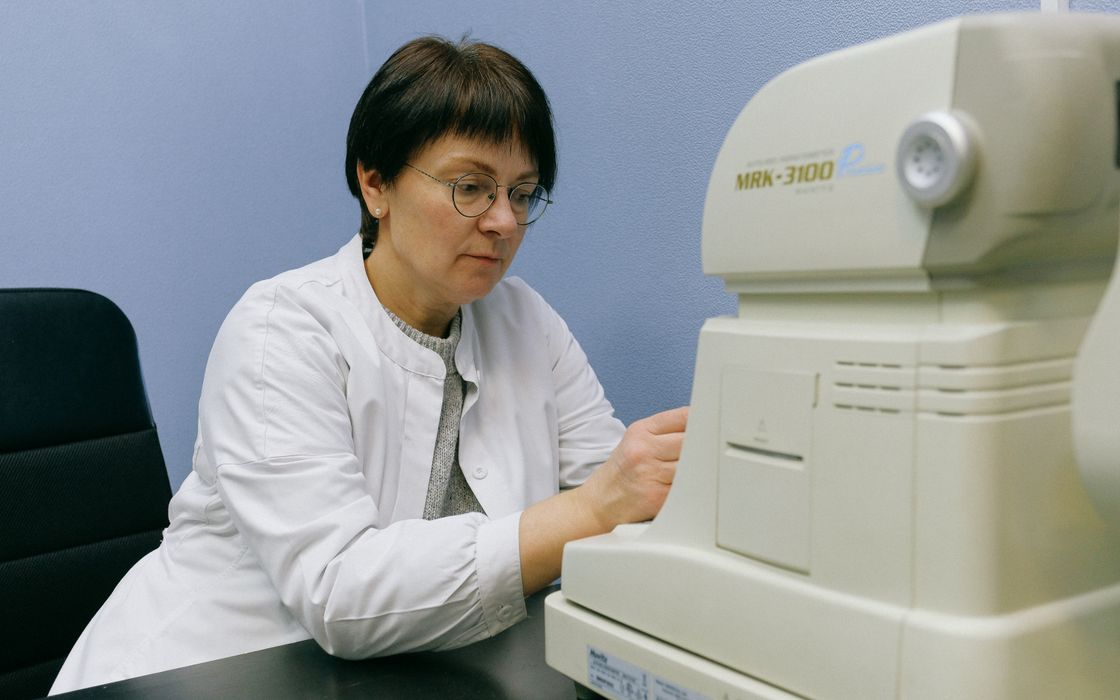
Measurements and eye check
Tests include your exact prescription, corneal mapping, anterior chamber depth, an endothelial cell count, eye pressure and a dilated retina check — important, as short-sighted eyes carry a higher risk of retinal problems.
Choosing lens size and power
The eye’s width (‘white-to-white’, sometimes measured behind the iris with ultrasound or OCT) and chamber depth determine lens length and power. Toric or unusual powers may need ordering, adding days.
Surgery
Under numbing drops, often with light sedation, the folded lens is injected through a small incision and positioned behind the iris. Each eye takes about 15–30 minutes; the second eye is often done the same day or a day later.
Same-day checks
A few hours later, eye pressure and lens position (the ‘vault’) are checked. You return to your hotel with drops and eye shields.
Review and flying home
After a check the next day, most people are cleared to fly within a few days, with drops for a few weeks and a written follow-up plan.
Why precise sizing matters
The gap between the ICL and your natural lens is the vault, ideally roughly 250–750 microns. Too low, and the ICL can touch the natural lens and raise the risk of cataract; too high, and it can crowd the drainage angle and push up eye pressure. A small number of lenses need repositioning or exchanging for another size — ask in advance who pays if that happens.
Recovery timeline
Day 0
Surgery day
Vision is often clearer within hours but blurry and light-sensitive at first. Rest, wear the shields and do not rub your eyes.
Days 1–3
First check-ups
The next-day check confirms eye pressure and lens position. Many people return to screens and light activities within 2–3 days.
Weeks 1–2
Back to routine
Most activities resume. Avoid swimming, eye make-up and dusty places for about 1–2 weeks, or as advised.
Weeks 2–4
Drops tapered
Antibiotic drops usually stop after about a week; steroid drops are tapered over roughly 2–4 weeks.
Month 1 onwards
Long-term monitoring
Vision is usually stable. Have at least yearly eye checks of pressure, natural lens and corneal cells.
Results and how long they last
Most people see much more clearly within a day or two. For higher myopia, studies suggest ICL compares favourably with LASIK. The lens can stay in the eye long term, but it does not stop the eye ageing: from your mid-40s you will still need reading glasses, and if a cataract forms, the ICL is removed during cataract surgery. Very short-sighted eyes also keep their higher risk of retinal detachment, so regular check-ups remain important.
Risks and how to reduce them
- Raised eye pressure — often temporary, but a lens vaulting too high can cause serious pressure problems needing prompt treatment
- Cataract — the American Academy of Ophthalmology cites a small risk, about 2%, of accelerated cataract within 5 to 14 years in patients over 40; a low vault adds to the risk
- Halos and glare at night, especially with large pupils — usually lessening over months, but sometimes persistent
- Loss of endothelial cells, which is why cell counts are checked before surgery and monitored afterwards
- Wrong size, toric lens rotation or a leftover prescription, which may need repositioning, a lens exchange or a laser touch-up
- Infection, inflammation or retinal detachment — rare but serious; report pain, redness or sudden vision changes immediately
Intraocular surgery needs lifelong follow-up
ICL is often marketed as an ‘implantable contact lens’, but it is surgery inside the eye. In a Swiss 10-year study of an older ICL model (V4), 18.3% of eyes developed a cataract needing surgery and 12.9% needed drops for raised eye pressure. Newer EVO lenses aim to reduce these problems, but regular eye checks remain essential.
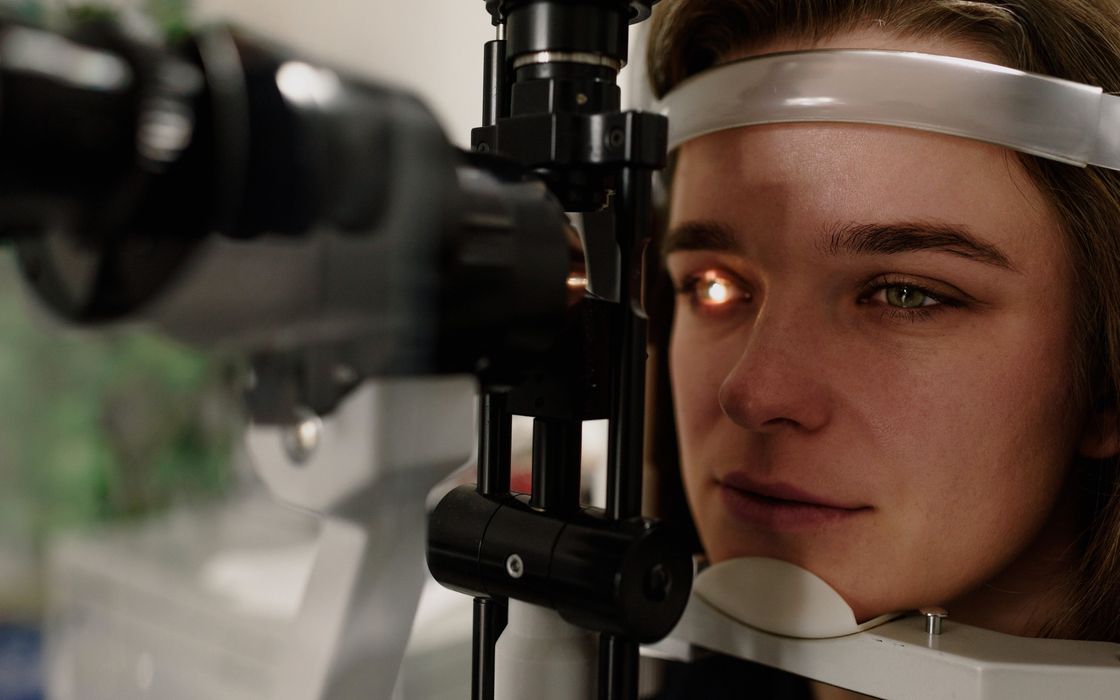
Cost of ICL surgery in Turkey and what's included
€3,000–€6,000
Typical package price, both eyes
Same day
Hospital stay (outpatient)
3–5 days
Recommended time in Turkey
| Usually included | Often extra or variable |
|---|---|
| Pre-operative measurements and eye tests | Toric or EVO+ lenses, usually priced higher |
| Surgeon, operating room and lenses for both eyes | Flights and extra hotel nights |
| Post-operative drops and checks before you fly | Lens exchange if the size is wrong — get the policy in writing |
| Transfers; hotel nights in many packages | Follow-up examinations at home |
Guide prices for 2026 packages covering both eyes; treating one eye costs less.
Prices vary with the lens model (standard, toric or EVO+), the surgeon, the hospital and the hotel nights bundled. As a rule of thumb, the American Academy of Ophthalmology notes that ICL typically costs about twice as much as LASIK. Treat online figures as a guide only: ask for a written, itemised quote after your measurements, and get free quotes to compare clinics like for like.
Choosing a clinic safely
- An accredited eye hospital or clinic and an ophthalmologist registered in Turkey with specific ICL experience — ask how many they implant each year
- The Ministry of Health’s health-tourism authorisation, the Uluslararası Sağlık Turizmi Yetki Belgesi
- All measurements, including the endothelial cell count, taken in person before the lens is chosen
- The lens model named (EVO, EVO+ or toric), and a written quote covering aftercare, lens exchange and revision policy
- Realistic before-and-after information rather than promises of perfect vision
- Red flags: pressure to book on the spot, no discussion of risks, a fixed price before any tests, or no named surgeon
Arrange follow-up before you travel
Find an eye doctor at home who will see you after surgery, and ask the clinic for a written report listing your lens model, size and power.
An ICL can be an excellent answer to high myopia and thin corneas — but it is eye surgery with lifelong follow-up, so choose on measurements and surgeon experience, not the lowest price.
— WhichClinic Editorial Team
Clinics offering ICL Surgery in Istanbul
Stars are Google ratings (third-party data), not WhichClinic reviews. Listings are compiled from public business data. Confirm that the clinic performs this procedure when you request a quote.
- 1 5.0 (926)
- 25.0 (909)
Bakırköy, Istanbul
- 35.0 (270)
Şişli, Istanbul
- 45.0 (216)
Şişli, Istanbul
- 55.0 (201)
Bakırköy, Istanbul
- 65.0 (146)
Esenyurt, Istanbul
- 75.0 (138)
Ataşehir, Istanbul
- 85.0 (127)
Kadıköy, Istanbul
Get free quotes for ICL (Implantable Collamer Lens / Phakic IOL)
Tell us what you need and receive tailored offers from matched clinics — free, private and with no obligation.
- Verified badge only after document checks
- Free and no obligation
- Compare multiple offers side by side
Your details stay private — shared only with matched clinics.
Frequently asked questions
The lens is designed to stay in the eye long term, but unlike laser surgery it can be removed or exchanged — for example if the size is wrong, your prescription changes a lot or you later need cataract surgery. Removal is itself an operation with its own risks, so ‘reversible’ does not mean risk-free.
Not in general — it suits different eyes. ICL is usually considered for moderate to high myopia, for corneas too thin or irregular for laser, or for significant dry eye. For lower prescriptions with healthy corneas, laser treatment is simpler and cheaper. Your measurements decide which option is safest.
Typical 2026 packages for both eyes range from about €3,000 to €6,000, depending on the lens model (standard, toric or EVO+), the surgeon and what the package includes. Ask for an itemised written quote after your measurements.
Numbing drops and often light sedation are used, so most people feel pressure rather than pain. The eyes may feel gritty or tired for a day or two. Severe pain, nausea or sudden blurred vision afterwards can signal high eye pressure and needs urgent attention.
Some surgeons treat both eyes on the same day; others operate on the second eye a day or more later. Ask which approach your clinic uses and how it fits your travel dates, including the check the day after surgery.
Most clinics want to see you the day after surgery and clear you before you fly, so many patients stay 3–5 days in total. Keep your drops in your hand luggage and book a check-up with an eye doctor at home.
Very likely, eventually. ICL corrects distance vision but does not prevent presbyopia, the natural loss of near focus that usually begins in the mid-40s. People in their late 40s or older are often better served by lens replacement.
The tiny central port lets fluid flow through the lens as it would naturally. This usually removes the need for a laser iridotomy before surgery and was designed to reduce the pressure and cataract problems seen with older models. Halos at night can still occur.
Sources
Medical background was checked against these references. This guide is educational and does not replace a consultation with a qualified doctor.
- American Academy of Ophthalmology — Implantable Collamer Lens (ICL)
- American Academy of Ophthalmology (EyeNet) — Phakic IOL: 10-year safety data
- EyeWiki (American Academy of Ophthalmology) — Implantable Collamer Lens
- NCBI StatPearls — Phakic intraocular lens for myopia
- NHS — Laser eye surgery and lens surgery