Cirurgia plástica na Turquia
Os procedimentos estéticos mais comuns, o que cada um envolve realmente e as perguntas que protegem o seu resultado.
- A partir de
- € 2.000
- Estadia habitual
- 5-7 days
Os preços são aproximados e confirmados após uma avaliação pessoal.
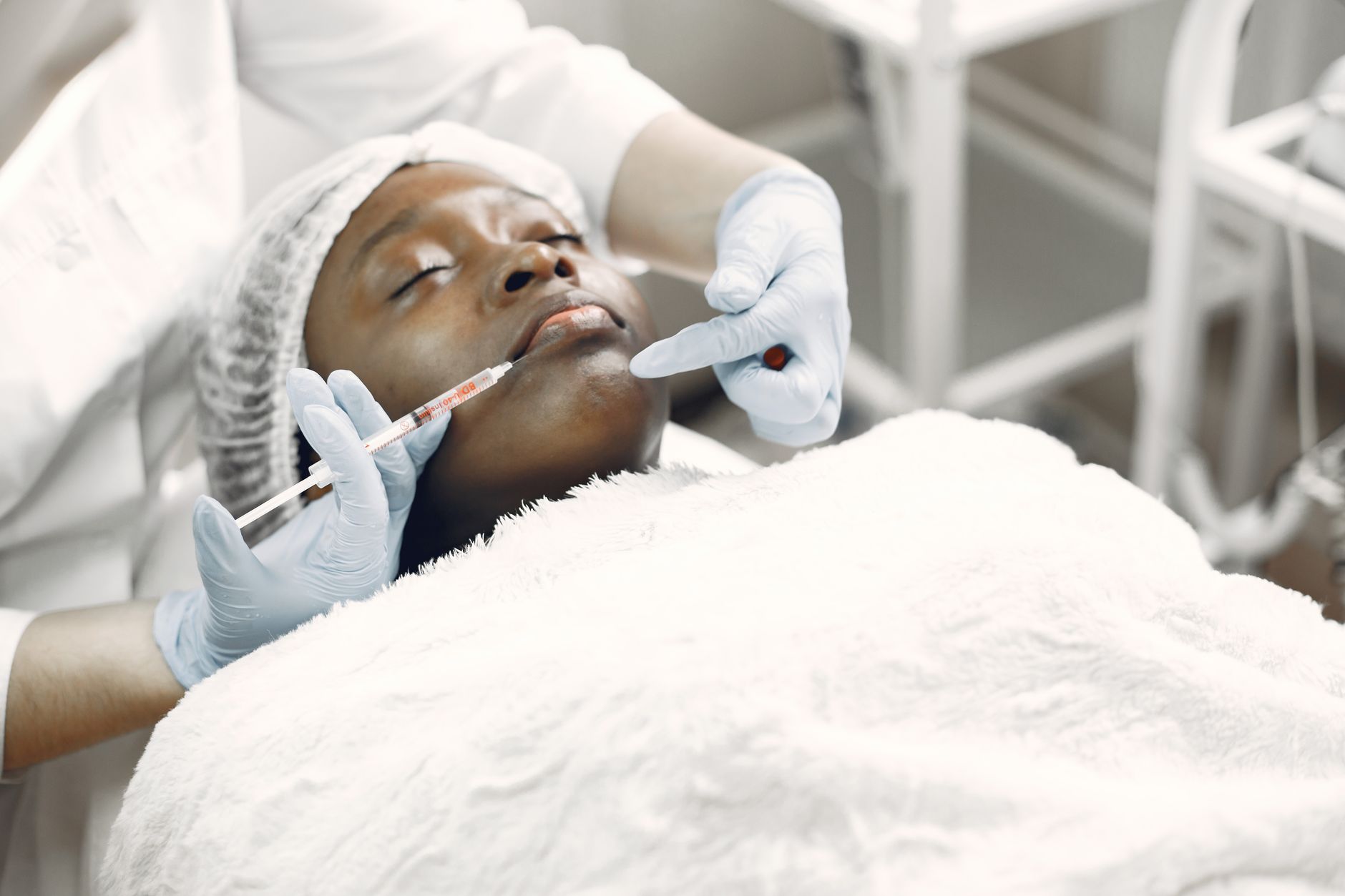
«Cirurgia plástica» é uma categoria, não uma única operação. Abrange intervenções que remodelam ou reconstroem o rosto e o corpo, desde um nariz que muda o seu perfil até à remoção de pele excedente após uma grande perda de peso. A Turquia é um dos destinos com mais movimento em cirurgia estética e a mesma cidade pode ter tanto cirurgiões excelentes como operadores pouco seguros. Esta página explica os procedimentos mais frequentes, como é realmente a recuperação e como escolher bem.
Os procedimentos que levam os pacientes a viajar
A maioria dos pacientes internacionais vem por uma de um punhado de operações bem estabelecidas. Cada uma tem técnica, recuperação e perfil de risco diferentes:
- Rinoplastia (remodelação do nariz) — altera o tamanho ou a forma do nariz e pode também melhorar a respiração. É um dos procedimentos tecnicamente mais exigentes; a forma final assenta lentamente.
- Lipoaspiração — remove depósitos de gordura localizados (flancos, abdómen, coxas, queixo). Contorna zonas que resistem à dieta e ao exercício; não é um tratamento para emagrecer.
- Abdominoplastia — remove o excesso de pele e aperta a parede abdominal, habitualmente após uma gravidez ou uma perda de peso. Deixa uma cicatriz longa e baixa.
- Aumento mamário — aumenta o volume da mama ou repõe volume com implantes (ou, em alguns casos, com transferência de gordura).
- Brazilian Butt Lift (BBL / enxerto de gordura nos glúteos) — transfere a sua própria gordura para os glúteos. Atenção: o BBL tem a taxa de mortalidade mais alta de todos os procedimentos estéticos, por entrada de gordura na corrente sanguínea. Só deve ser feito por um cirurgião plástico experiente, que injete a gordura na camada subcutânea segura, idealmente com controlo ecográfico. Aqui, escolha o cirurgião com mais cuidado do que o preço.
Como é feita a cirurgia
Os procedimentos maiores (abdominoplastia, cirurgia mamária, a maioria das rinoplastias) são realizados sob anestesia geral, num bloco operatório totalmente equipado e com anestesista presente. Trabalhos menores e localizados, como uma lipoaspiração limitada, podem por vezes ser feitos sob anestesia local com sedação («sedação consciente»), em que está relaxado e sem dores, mas não completamente adormecido. Os tempos operatórios vão de cerca de uma hora num aumento mamário simples a três ou quatro horas numa abdominoplastia completa.
Consulta e marcações
O cirurgião observa-o, acorda um plano realista e marca as zonas a operar consigo de pé. É também o momento de definir limites honestos.
Anestesia
É administrada e monitorizada a anestesia geral ou a local com sedação. A via aérea, o oxigénio e os sinais vitais são vigiados do princípio ao fim.
A operação
O cirurgião trabalha através das incisões planeadas — remodela, retira tecido ou coloca implantes. Por vezes ficam drenos para evitar a acumulação de líquido.
Recobro e primeira noite
Acorda no recobro, é vigiado quanto a dor, hemorragia e náuseas e, nas intervenções corporais, fica habitualmente uma a duas noites antes da alta.
| Procedimento | Anestesia habitual | Tempo operatório | Internamento |
|---|---|---|---|
| Rinoplastia | Geral | 1,5–3 h | Ambulatório ou 1 noite |
| Lipoaspiração (por zona) | Local + sedação ou geral | 1–3 h | Ambulatório ou 1 noite |
| Aumento mamário | Geral | 1–2 h | Ambulatório ou 1 noite |
| Abdominoplastia | Geral | 2–4 h | 1–2 noites |
| BBL (enxerto de gordura) | Geral | 2–4 h | 1–2 noites |
Valores típicos em pacientes de resto saudáveis. O plano real é definido pelo seu cirurgião após a avaliação.
As cicatrizes e o que «natural» significa de facto
Qualquer incisão deixa uma cicatriz permanente — a cirurgia não o consegue evitar. Um cirurgião experiente coloca as cicatrizes onde elas se escondem: dentro da narina, no sulco por baixo da mama ou à volta da aréola, em baixo ao longo da linha do biquíni numa abdominoplastia. As cicatrizes amadurecem ao longo de 12 a 18 meses: começam normalmente vermelhas ou salientes, depois aplanam e desvanecem até ficarem uma linha pálida. Suavizam-se, mas nunca desaparecem por completo, e a genética, o tom de pele e a exposição solar influenciam o resultado. Um resultado «natural» não é ficar sem cicatrizes — significa que a mudança fica proporcionada ao seu rosto ou ao seu corpo e que continua a parecer-se consigo, sem um ar evidentemente operado.
Cronologia da recuperação
Dias 1–3
Pico de inchaço e hematomas
Conte com tensão, hematomas e desconforto, controlados com os analgésicos prescritos. Pode ter pensos, uma cinta de compressão ou drenos. Apenas repouso e movimento suave.
Semana 1
Consultas e pensos
Retiram-se talas, alguns pontos ou os drenos e o cirurgião verifica a cicatrização. Os hematomas começam a desvanecer. A maioria das pessoas já anda pequenas distâncias.
Semanas 2–3
Regresso à atividade ligeira
Muitos pacientes voltam ao trabalho de escritório e à rotina diária, embora o inchaço ainda seja visível e deva evitar esforços, dobrar-se e levantar pesos.
Semanas 4–6
O inchaço assenta
A maior parte do inchaço resolve-se e o exercício é retomado de forma gradual, apenas com autorização do seu cirurgião.
Meses 3–6+
O resultado aparece
Os tecidos assentam na forma definitiva e as cicatrizes continuam a amadurecer. Um nariz pode demorar até 12 meses a mostrar o resultado final.
Quanto custa — e porque é a Turquia mais barata
A cirurgia estética na Turquia custa habitualmente menos 50–60% do que no Reino Unido, na Europa Ocidental ou nos EUA. A diferença vem de custos de pessoal, de instalações e de estrutura mais baixos, de uma taxa de câmbio favorável e de um grande volume de casos — não de cortes num bloco operatório devidamente acreditado. Os preços são aproximados e são sempre definidos após uma avaliação individual; a complexidade, a escolha do implante e o facto de combinar ou não procedimentos alteram o valor. Os intervalos abaixo são honorários indicativos de cirurgião e de clínica, não o anúncio do pacote mais barato que vai encontrar online.
| Procedimento | Intervalo típico (EUR) |
|---|---|
| Rinoplastia | 2.000 – 4.000 € |
| Lipoaspiração (por zona / pacote) | 1.800 – 4.000 € |
| Aumento mamário | 2.500 – 4.500 € |
| Abdominoplastia | 3.000 – 5.500 € |
| BBL (enxerto de gordura) | 3.000 – 6.000 € |
Intervalos aproximados para 2026. O orçamento final depende da sua avaliação e é confirmado por escrito.
2.000–6.000 €
intervalo habitual de honorários nos procedimentos mais comuns
5–7 dias
permanência habitual na Turquia antes do voo de regresso
12–18 meses
para as cicatrizes amadurecerem e desvanecerem por completo
Escolher o cirurgião em segurança
A verificação mais importante é quem segura o bisturi. A sua operação deve ser feita por um cirurgião plástico plenamente qualificado — especialista em cirurgia plástica, reconstrutiva e estética — e não por um «técnico», por um médico de família ou por um médico de uma especialidade diferente. Organismos como a American Society of Plastic Surgeons (plasticsurgery.org) definem o padrão de certificação que deve procurar, e o mesmo princípio vale para onde quer que viaje: peça por escrito o nome e as credenciais do cirurgião que vai operar, confirme que o hospital está acreditado e leia avaliações independentes em vez da galeria da própria clínica. É exatamente esta abordagem de verificar primeiro que sustenta a WhichClinic — confirme o cirurgião e só depois compare o preço.
Duas promessas que o devem preocupar
Desconfie de qualquer clínica que garanta um resultado impecável, sem cicatrizes ou «perfeito» — nenhum cirurgião honesto o pode fazer. Desconfie igualmente das mega-operações combinadas, que juntam quatro ou cinco procedimentos numa única sessão longa para vender um pacote. Tempos operatórios mais longos aumentam o risco anestésico e de trombose; os cirurgiões mais seguros limitam o tempo total e distribuem o trabalho complexo por viagens diferentes.
Informação geral, não aconselhamento médico
Esta página é apenas informação geral. Se um procedimento é indicado para si, que técnica se adequa à sua anatomia e que resultados são realistas depende de uma avaliação presencial por um cirurgião plástico qualificado. Siga sempre as indicações do médico que o observa.
O melhor resultado estético é aquele que continua a parecer-se consigo. Escolha o cirurgião antes do preço, exija expectativas realistas e trate qualquer clínica que promete a perfeição como aquela de que se deve afastar.
— Redação da WhichClinic
Receba orçamentos gratuitos para Cirurgia plástica na Turquia
Diga-nos o que precisa e receba ofertas personalizadas de clínicas verificadas — grátis, privado e sem compromisso.
- Apenas clínicas verificadas e acreditadas
- Grátis e sem compromisso
- Compare várias ofertas lado a lado
Os seus dados permanecem privados — partilhados apenas com as clínicas compatíveis.