
Otoplasty in Turkey
Pin back prominent ears or reduce large ones in a 1–2 hour operation — suitable from about age five, often as a day case.
- Typical package price in Turkey (2026)
- €1,800 – €3,800
- Time in Turkey
- 5–7 days
Indicative range from published package prices; your written quote depends on your case. · Updated:
Full specialty guide
At a glance
- Typical package price in Turkey (2026)
- €1,800 – €3,800
- Procedure time
- 1–2 hours
- Anaesthesia
- Local (adults) or general (children)
- Hospital stay
- Same day or 1 night
- Time in Turkey
- 5–7 days
- Recovery
- 1–2 weeks (school or desk work)
- Final result
- Visible once the dressing comes off
Otoplasty — also called ear pinning or pinnaplasty — reshapes the ear cartilage so that prominent ears sit closer to the head; it can also reduce oversized ears. It suits children from about five years old, teenagers and adults, and is one of the shorter operations in plastic surgery. In Turkey a package typically costs €1,800–€3,800, and most people plan about a week in the country.
What otoplasty is and how it works
Prominent ears usually lack the natural fold just inside the rim (the antihelix), have an unusually deep bowl (the concha), or both. Otoplasty creates the fold and sets the bowl back through a small cut in the crease behind the ear, so the scar is hidden, and permanent internal stitches hold the new shape. Prominent ears are not associated with hearing loss, and the operation does not change hearing. It is performed by a plastic surgeon or an ear, nose and throat (ENT) surgeon.
Ear moulding for newborns
If prominent ears are noticed in the first weeks of life, small splints fitted to the rim can reshape the soft cartilage without surgery. By around six months the cartilage is too firm to remould.
Otoplasty techniques: cartilage-sparing, cartilage-cutting and incisionless
| Technique | How it works | Typically suited to |
|---|---|---|
| Cartilage-sparing (stitch-based) | Permanent stitches fold the cartilage and set the ear back (Mustardé and Furnas methods) without cutting it | Most children and adults with soft or moderately firm cartilage |
| Cartilage-cutting (scoring) | The cartilage is scored, thinned or partly removed so it bends more easily, often combined with stitches | Thick, stiff cartilage or a very deep ear bowl |
| Incisionless (thread) | Stitches are passed through tiny needle punctures without an open cut | Selected mild cases with soft cartilage — evidence is limited |
| Ear or earlobe reduction | Part of the rim or lobe is removed to make the ear smaller | Large ears (macrotia) or stretched earlobes |
| Revision otoplasty | Corrects an ear that has sprung back, asymmetry or an over-pinned look | Unsatisfactory results from earlier surgery |
Surgeons often combine methods; the right plan depends on your cartilage and ear shape.
Published reviews show that cartilage-sparing methods are the most widely used and have low recurrence rates, and that hybrids combining stitches with limited cartilage scoring may relapse least often. Evidence for incisionless otoplasty is still thin, so be cautious of offers selling it as a no-surgery shortcut.
Who is a good candidate for otoplasty
- Children from about 5 years old, once the ears have grown enough and the cartilage can hold stitches
- Children who notice their ears themselves and want the operation — surgeons advise waiting until the child asks
- Teenagers and adults bothered by prominent, large or uneven ears, or by earlier ear surgery
- People in good health, without untreated ear infections, and ideally non-smokers
- Anyone with realistic expectations: natural-looking ears, not two identical ones
Otoplasty is not suitable for children under five, whose cartilage is too soft, for a child who does not want it, or while there is an active infection around the ear.
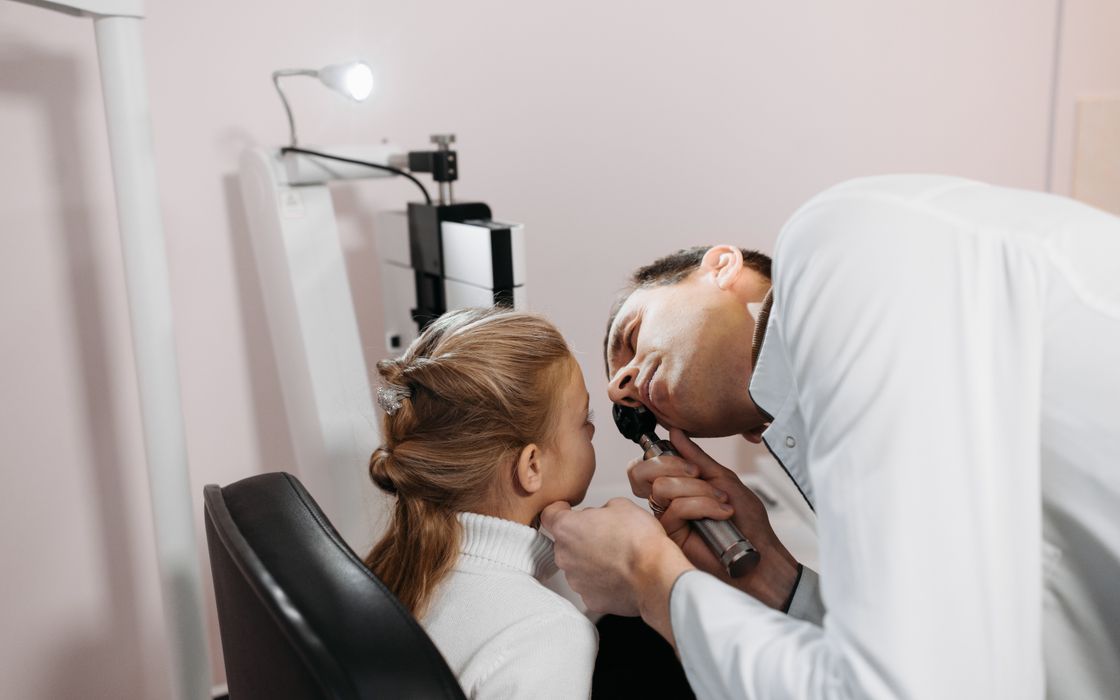
The otoplasty procedure step by step
Consultation and photos
The surgeon assesses the ear folds, the depth of the ear bowl and how stiff the cartilage is, takes photographs and explains which technique suits you.
Anaesthesia
Adults and older teenagers usually have a local anaesthetic, sometimes with sedation; young children have a general anaesthetic.
Reshaping the cartilage
Through a small cut behind the ear, the surgeon creates the fold and sets the ear back with permanent stitches, scoring or removing a little cartilage if needed.
Head bandage
A padded head bandage holds the new position and protects the ears. Never remove it early — this can undo part of the correction.
Going home
The operation usually takes 1–2 hours. After a local anaesthetic most people go home the same day and return for a dressing check before flying.
Otoplasty recovery timeline
Days 1–3
Tender, bandaged ears
Soreness and a tight, throbbing feeling are normal and usually respond to the painkillers your surgeon recommends. Keep the bandage clean and dry.
Days 5–10
Bandage and stitches off
The bandage and any non-dissolving stitches are removed. You can wash your hair again, and a soft headband takes over.
Weeks 1–2
Back to school or desk work
Most children return to school after 1–2 weeks, and adults to desk work in a similar time. Bruising fades over about two weeks.
Weeks 2–6
Headband at night
Wear the headband at night for several weeks so the ears are not bent forward on the pillow. Swimming is usually fine after 4–6 weeks.
Week 8 onwards
Sport and final settling
Contact sports are usually allowed from around eight weeks. Numbness fades over weeks; stiff cartilage can take a few months to soften.
Otoplasty results and how long they last
For prominent ears the change is visible as soon as the dressing comes off, and the scar sits in the crease behind the ear, where it usually fades well. Because the stitches are permanent, the correction is intended to last for life. Cartilage does have a natural spring, though, and a minority of ears move partly forward again, mostly in the first months. A 2026 review of 18 studies reported a pooled recurrence rate of 2.8% and a revision rate of 2.1%.
Otoplasty risks and how to reduce them
- Recurrence — one or both ears partly spring back, sometimes needing a small revision
- Asymmetry — small differences between sides are normal, as ears are rarely identical to begin with
- Haematoma — blood collecting under the skin of the ear, which needs prompt drainage
- Infection or inflammation of the ear cartilage, treated with antibiotics
- Thick, red or keloid scars — BAAPS estimates that scars thicken in about 3% of patients; mention any history of keloids
- Stitch problems — a permanent stitch can surface and need removing, the most common complication in a large 2026 review
- Numbness, stiffness or an over-pinned look, which careful technique aims to avoid
Seek help quickly
Call your surgeon straight away if one ear becomes suddenly very painful, swollen or hot, or the bandage feels far too tight — possible signs of a haematoma or infection. Never loosen the dressing yourself, and protect healing ears from knocks and strong sun.
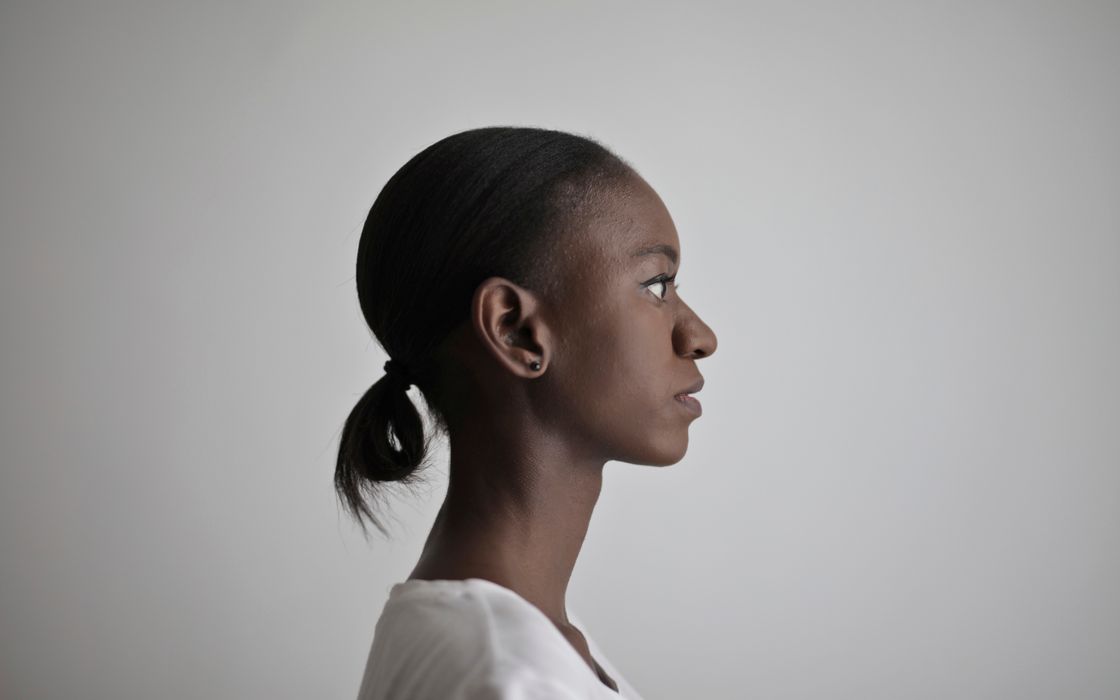
Cost of otoplasty in Turkey and what's included
€1,800–€3,800
Typical package price
Same day or 1 night
Hospital stay
5–7 days
Recommended time in Turkey
| Usually included | Often extra — check your quote |
|---|---|
| Surgeon and anaesthesia fees for both ears | Flights and extra hotel nights |
| Operating theatre and day-case or overnight stay | Earlobe reduction or other add-on procedures |
| Pre-operative tests and consultation | Travel and accommodation for a companion |
| Dressings, medication and a protective headband | Revision surgery — ask for the written policy |
| Hotel, airport transfers and an interpreter | Follow-up care after you return home |
These are indicative 2026 package prices. Your quote depends on the technique, one or both ears, the type of anaesthesia and the hospital: a single ear usually costs less, while ear reduction or revision costs more. Always ask for a written, itemised quote. For comparison, the NHS puts private ear correction surgery in the UK at £2,500–£3,500, plus consultations and follow-up care. You can get free quotes from several clinics and compare them like for like.
Choosing an otoplasty clinic safely
- A surgeon registered in Turkey as a specialist in plastic, reconstructive and aesthetic surgery or ENT surgery — ask for the specialty certificate and how often they perform ear corrections
- For children, a hospital with an anaesthetist experienced in treating children
- A licensed, accredited hospital, and a facility or agency holding the Ministry of Health's international health-tourism authorisation (Uluslararası Sağlık Turizmi Yetki Belgesi)
- A written quote covering dressings, the headband, follow-up checks and the revision policy
- Before-and-after photos of the surgeon's own patients, from the front and from behind
- Red flags: promises of a scarless result in minutes, pressure to operate on an unwilling child, or no chance to meet the surgeon beforehand
Planning the trip
Meet the surgeon — not only a coordinator — before you commit, and stay until the bandage check. The NHS also advises finding out what happens if you need follow-up care after you return home. Adults sometimes combine ear correction with rhinoplasty or chin augmentation; ask whether that is sensible in your case.
Good ear surgery is almost invisible: ears that sit naturally, keep soft folds and look as if they had always been that way. For a child, the right time is when they ask for it.
— WhichClinic Editorial Team
Clinics offering Otoplasty in Istanbul
Stars are Google ratings (third-party data), not WhichClinic reviews. Listings are compiled from public business data. Confirm that the clinic performs this procedure when you request a quote.
- 15.0 (1,378)
Beşiktaş, Istanbul
- 25.0 (325)
Bahçelievler, Istanbul
- 35.0 (230)
Üsküdar, Istanbul
- 45.0 (225)
Kadıköy, Istanbul
- 55.0 (225)
Kadıköy, Istanbul
- 65.0 (160)
Şişli, Istanbul
- 75.0 (124)
Üsküdar, Istanbul
- 85.0 (121)
Beşiktaş, Istanbul
Get free quotes for Otoplasty (Ear Pinning / Ear Surgery)
Tell us what you need and receive tailored offers from matched clinics — free, private and with no obligation.
- Verified badge only after document checks
- Free and no obligation
- Compare multiple offers side by side
Your details stay private — shared only with matched clinics.
Frequently asked questions
Surgery is usually offered from about five years old, once the ears have grown enough and the cartilage can hold stitches. There is no upper age limit — teenagers and adults can have it too. In newborns, splints fitted in the first weeks can sometimes avoid surgery altogether.
Adults and older teenagers usually have a local anaesthetic, sometimes with sedation, and go home the same day. Young children usually need a general anaesthetic, given by an anaesthetist experienced with children.
It avoids an open cut and can suit selected mild cases with soft cartilage, but the evidence is limited. In a 2026 systematic review, incisionless techniques had the highest recurrence and reoperation rates, although they were based on few patients. Ask the surgeon about their own relapse rate and what happens if an ear springs back.
Once the bandage comes off, most surgeons ask you to wear a soft headband at night for several weeks so the ears are not folded forward on the pillow; some also advise daytime wear at first. Published protocols range from about one to six weeks.
The cut is usually made in the natural crease behind the ear, so the scar is hidden and fades with time. According to BAAPS, the scar becomes thick and red in about 3% of patients; if you tend to form keloids, mention it at your consultation.
Occasionally. Ear cartilage tends to spring back, and a small proportion of ears move partly forward again, usually in the first months. A 2026 review of published studies found a pooled recurrence rate of about 2.8%. Wearing the headband and avoiding knocks while you heal helps.
Plan on about 5–7 days, so the surgeon can check the ears and change or remove the bandage before you fly. If you leave before the stitches are due out, agree in advance who will remove them at home, and keep the surgeon's contact details for follow-up.
No. Prominent ears are a matter of shape and are not associated with hearing loss, and the operation works on the outer ear only. Hearing problems or ear infections should be assessed and treated separately before surgery.
Sources
Medical background was checked against these references. This guide is educational and does not replace a consultation with a qualified doctor.
- NHS — Cosmetic surgery: ear correction surgery, including ear pinning
- BAAPS — Setting back prominent ears (pinnaplasty / otoplasty)
- American Society of Plastic Surgeons — Ear surgery (otoplasty)
- NHS — Cosmetic surgery abroad
- Plastic and Reconstructive Surgery Global Open (PMC) — Kaleeny et al. 2026: otoplasty techniques and clinical outcomes, review
- JPRAS Open (PMC) — Thomson et al. 2026: otoplasty for prominent ear, systematic review of surgical techniques