
Dental Veneers in Turkey
Thin E-max laminate veneers in Turkey — a beautiful smile with minimal enamel loss, and how to avoid over-treatment.
- Typical package price in Turkey (2026)
- €180 – €350
- Time in Turkey
- 4–7 days for a full case
Indicative range from published package prices; your written quote depends on your case. · Updated:
Full specialty guide
At a glance
- Typical package price in Turkey (2026)
- €180 – €350
- Procedure time
- 2–3 visits of about 1–3 hours
- Anaesthesia
- Local, or none for no-prep
- Hospital stay
- None (outpatient)
- Time in Turkey
- 4–7 days for a full case
- Recovery
- Same day; mild sensitivity for 1–3 days
- Final result
- On bonding day; feel natural in 2–4 weeks
Turkey is famous for the 'smile makeover', and dental veneers are at the heart of it. Done properly, a veneer is one of the most conservative cosmetic treatments in dentistry: a wafer-thin shell of porcelain bonded to the front of a tooth. But the same marketing that made Turkey a veneer destination has also blurred a crucial line — between a real veneer that barely touches your enamel, and an aggressive 'package' that grinds healthy teeth down to stumps. Understanding that line is the single most important thing on this page.
What a veneer actually is
A dental veneer is a thin facing, typically porcelain, bonded to the visible front surface of a tooth to change its colour, shape or alignment. A genuine veneer usually involves removing only about 0.3–0.7 mm of enamel — sometimes none at all — so the tooth underneath stays largely intact. This is fundamentally different from a crown, which caps the entire tooth after much more of it is trimmed away. The distinction matters because enamel does not grow back.
Veneer materials and types
| Type | Material | Best for |
|---|---|---|
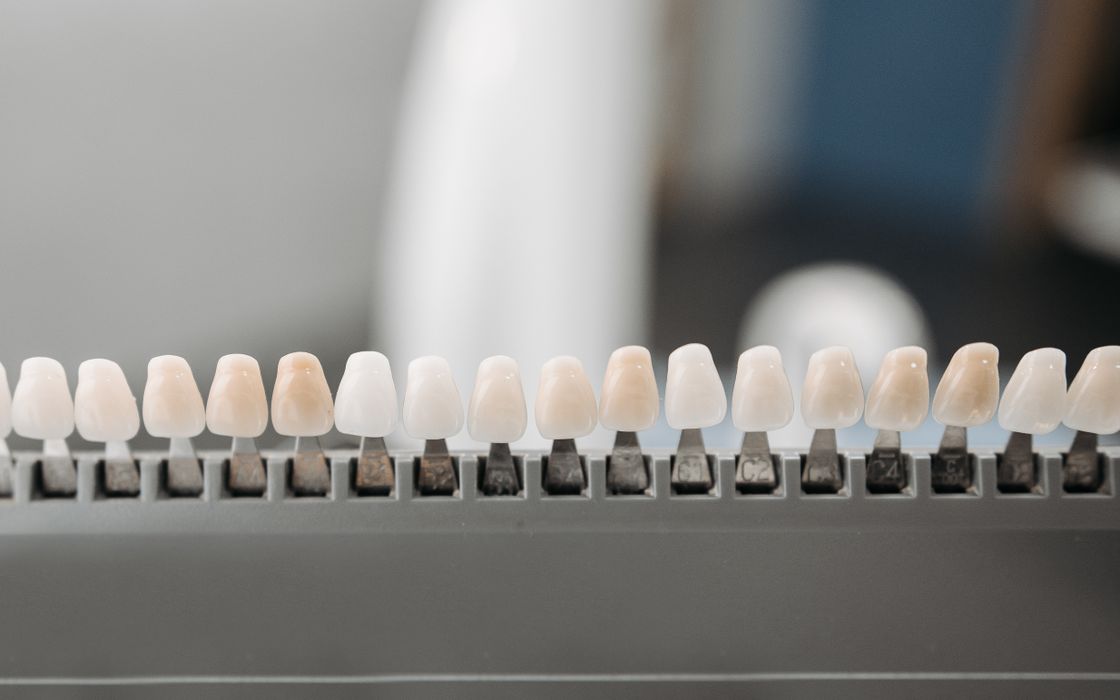
| E-max laminate | Lithium disilicate ceramic | Front teeth — excellent translucency and a natural look |
| Porcelain veneer | Feldspathic/pressed ceramic | Custom, highly aesthetic single or multiple teeth |
| No-prep / minimal-prep | Ultra-thin ceramic | Cases where little or no enamel is removed |
| Composite veneer | Resin, built up directly | Lower cost, reversible, but less durable and stain-resistant |
E-max (lithium disilicate) is the go-to for natural-looking front teeth; composite is the most reversible option.
Who is a good candidate
- People with healthy but discoloured, chipped, worn or slightly misaligned front teeth
- Those wanting a cosmetic change while preserving as much natural tooth as possible
- Patients with good gum health and no untreated decay
- People who do not heavily grind their teeth, or who will wear a night guard
- Anyone who wants an honest limit: veneers suit small changes, not major bite problems
The step-by-step process

Smile consultation and design
The dentist assesses your teeth and gums, discusses realistic goals and plans shade and shape — ideally with a digital or wax mock-up.
Minimal preparation
A very thin layer of enamel is gently shaped (or none, for no-prep). Impressions or a digital scan are taken for the lab.
Temporary veneers
Provisional veneers protect the teeth and preview the look while your final ceramics are crafted.
Bonding the final veneers
The E-max veneers are checked for fit and colour, then permanently bonded. Minor bite adjustments finish the job.
Recovery and adjustment
Days 1–3
Getting used to them
Mild gum tenderness and some sensitivity to hot and cold are normal and usually settle quickly.
Week 1
Bite settles
Your bite and speech adapt. Any high spots can be smoothed at a quick review before you fly home.
Weeks 2–4
Feeling natural
Sensitivity fades and the veneers start to feel like your own teeth.
Ongoing
Protect the investment
Avoid biting hard objects, and wear a night guard if you clench or grind.
Results and how long they last
Well-made porcelain veneers are highly durable and resist staining far better than natural enamel or composite. Studies commonly report that around 85–95% are still in good service at 10 years, and many last longer. They are not indestructible, though — they can chip or debond, and because enamel was removed the tooth will usually always need a veneer or crown from that point on. That is precisely why the amount of tooth removed at the start matters so much.
Cost in Turkey and what's included
| Item | Typical range (per tooth) |
|---|---|
| E-max laminate veneer | €180–€350 |
| Porcelain veneer | €200–€350 |
| Composite veneer | €90–€180 |
| Full 'smile makeover' (per tooth, ×8–20) | €180–€350 each |
Guide prices per tooth; a full smile is simply the per-tooth price multiplied by the number of teeth.
€180–€350
Per-tooth E-max veneer cost in Turkey
0.3–0.7 mm
Enamel a genuine veneer removes
4–7 days
Typical stay for a full case
Choosing a clinic safely
- Ask directly: veneers or crowns? A real veneer keeps most of your tooth; insist on knowing which you are being sold
- Request the planned enamel-removal amount and a digital smile design before any drilling
- Prefer clinics that discuss minimal-prep and no-prep options where suitable
- Confirm the ceramic brand (genuine E-max is lithium disilicate) and get it in writing
- Get a written guarantee (often 5–10 years) and clear terms on chips or debonding
- Be sceptical of a fixed '20-veneer package' offered before anyone has examined your teeth
The over-treatment red flag: 'veneers' that are really crowns
The biggest risk in cosmetic dental tourism is being sold aggressive tooth reduction under the word 'veneer'. If healthy teeth are ground down to small pegs, you are receiving crowns, not veneers — an irreversible step that permanently changes those teeth and can risk the nerve. Be especially wary of one-size-fits-all packages that crown a whole arch of otherwise healthy teeth for speed. Insist on the most conservative option that achieves your goal, and get a second opinion if anyone rushes you.
Medical disclaimer
This guide is general information, not personal medical advice. Whether veneers suit you, how much enamel needs shaping and whether a crown is genuinely necessary can only be judged by a qualified dentist after an in-person examination. Always seek an individual assessment — and, for irreversible work, consider a second opinion.
A veneer should reveal your best smile, not sacrifice healthy teeth to do it. The finest cosmetic dentistry is measured by how little it needs to remove.
— WhichClinic Editorial Team
Clinics offering Dental Veneers in Istanbul
Stars are Google ratings (third-party data), not WhichClinic reviews. Listings are compiled from public business data. Confirm that the clinic performs this procedure when you request a quote.
- 15.0 (4,201)
Zeytinburnu, Istanbul
- 25.0 (3,423)
Başakşehir, Istanbul
- 35.0 (1,451)
Beyoğlu, Istanbul
- 45.0 (1,174)
Şişli, Istanbul
- 55.0 (1,125)
Bahçelievler, Istanbul
- 65.0 (1,040)
Üsküdar, Istanbul
- 75.0 (1,039)
Fatih, Istanbul
- 8 5.0 (792)
Get free quotes for Dental Veneers
Tell us what you need and receive tailored offers from matched clinics — free, private and with no obligation.
- Verified badge only after document checks
- Free and no obligation
- Compare multiple offers side by side
Your details stay private — shared only with matched clinics.
Frequently asked questions
A veneer is a thin facing bonded to the front of a tooth, removing only about 0.3–0.7 mm of enamel. A crown caps the whole tooth after much more is trimmed away. If a clinic grinds healthy teeth to small pegs, you are getting crowns — an irreversible step — even if they call it a veneer.
Genuine, conservative veneers are safe in the hands of a skilled cosmetic dentist. The real risk is over-treatment — unnecessary crowning of healthy teeth. Choose a clinic that discusses minimal-prep options, shows you a smile design and is transparent about how much tooth it removes.
The procedure is usually comfortable, often needing only local anaesthetic or none for no-prep cases. Mild gum tenderness and temperature sensitivity for a few days afterwards are normal and typically settle quickly.
Well-made porcelain veneers commonly stay in good service for around 10 years or more, with roughly 85–95% surviving to a decade in studies. Avoiding hard biting and wearing a night guard if you grind helps them last.
Composite veneers are largely reversible, but porcelain veneers usually are not, because a little enamel is removed and does not grow back. That tooth will typically always need a veneer or crown afterwards — which is why conservative preparation matters.
Lower clinic and lab costs, a favourable exchange rate and high demand reduce the price. It reflects the local cost base, not inferior ceramics — reputable clinics use genuine E-max and porcelain, the same materials used across Europe.
Sources
Medical background was checked against these references. This guide is educational and does not replace a consultation with a qualified doctor.
- Cleveland Clinic — Dental veneers
- American Dental Association (MouthHealthy) — Veneers
- American College of Prosthodontists — Veneers
- Oral Health Foundation — Veneers
- Journal of Esthetic and Restorative Dentistry (PMC) — Survival and complication rates of ceramic laminate veneers: systematic review and meta-analysis
- General Dental Council (UK) — Going abroad for dental treatment