
Health Check-up in Turkey
Private-hospital check-ups in Turkey explained — which tests are worth having, which are not, and what they cost in 2026.
- Typical package price in Turkey (2026)
- €400 – €2,500
- Time in Turkey
- 1–3 days
Indicative range from published package prices; your written quote depends on your case. · Updated:

At a glance
- Typical package price in Turkey (2026)
- €400 – €2,500
- Procedure time
- Half a day to one full day
- Anaesthesia
- None (sedation only if endoscopy added)
- Hospital stay
- None — outpatient
- Time in Turkey
- 1–3 days
- Recovery
- Same day (next day after sedation)
- Final result
- Most same day; some take 2–7 days
A health check-up is a planned set of tests and consultations for people who feel well. It aims to find silent risk factors — such as high blood pressure, raised cholesterol or diabetes — and to catch up on cancer screening that suits your age. Private hospitals in Turkey offer packages from basic blood tests to one- or two-day executive check-ups, typically about €400–€2,500. More tests are not automatically better: the most useful check-up is matched to your age, sex, family history and lifestyle.
What a check-up is and how it works
In Turkey, check-ups are usually run by a dedicated unit in a private hospital. You arrive fasting in the morning; blood and urine samples come first, then measurements, imaging and consultations along a set route. An internal medicine specialist then reviews the results with you. Unlike a visit for a symptom, a check-up is screening — testing people without complaints to find those at higher risk. The WHO Regional Office for Europe warns that for many health checks a clear evidence base is missing and potential harms are overlooked.
Evidence-based screening versus extra tests
Expert bodies recommend screening only when the benefits outweigh the harms. The US Preventive Services Task Force (USPSTF), for example, recommends blood-pressure checks for all adults, diabetes screening for adults aged 35–70 with overweight or obesity, colorectal cancer screening from 45 to 75, mammography every two years for women aged 40–74, cervical screening from 21 to 65, and yearly low-dose CT for lung cancer only in adults aged 50–80 with a heavy smoking history. England's NHS runs similar programmes and warns that some private tests are not recommended because it is not clear that their benefits outweigh the harms.
- Tumour-marker blood tests (such as CEA or CA-125): the US National Cancer Institute says studies have generally found they do not work well for screening — they miss cancers and flag people who have none
- Resting or exercise ECG in low-risk adults: the USPSTF recommends against it as a screening test
- PSA test: for men aged 55–69 the USPSTF calls prostate screening an individual decision after discussing benefits and harms, and recommends against it from 70
- Whole-body MRI or CT for people without symptoms: not part of national screening programmes such as the NHS's; harmless findings can lead to more scans, and CT adds radiation
Types of check-up packages
| Package tier | What it typically includes | Typical price (2026) |
|---|---|---|
| Basic | Examination, blood pressure, BMI, blood count, blood sugar, cholesterol, kidney, liver and thyroid tests, urine test | €400–€700 |
| Comprehensive | Basic tests plus ECG, chest X-ray, abdominal ultrasound, an eye check and several specialist consultations | €650–€1,300 |
| Cardiac | ECG, echocardiogram, exercise stress test, cholesterol profile and a cardiology consultation | €500–€900 |
| Women's / men's | Women: gynaecology exam, cervical screening, breast imaging. Men: urology consultation, often a PSA test | €450–€850 |
| Cancer screening | Age-appropriate tests such as colonoscopy, mammography, cervical screening or low-dose CT for heavy smokers; often tumour markers | €500–€2,500 |
| Executive / premium | Most of the above over one or two days, with more consultations and sometimes MRI or CT | €1,300–€2,500 |
Contents differ between hospitals — compare the actual list of tests, not the package name.
Who a check-up is useful for
- Adults who have not seen a doctor for years and want a baseline: blood pressure, cholesterol, blood sugar, weight and kidney function
- People from around 40, when the risk of heart disease, diabetes and several cancers starts to rise
- Those with a family history, such as early heart disease or bowel or breast cancer, who may need earlier or more frequent tests
- People who have missed routine screening at home, such as cervical, breast or bowel screening
- Less useful: healthy young adults buying a large package 'to check everything' — more tests mainly mean more false alarms
The check-up day step by step
Choose tests with a doctor
Before booking, share your age, medical history, medicines and family history, and ask which tests are recommended for you and which can be left out.
Prepare
Most hospitals ask for an overnight fast of 8–12 hours (water allowed) and no alcohol or hard exercise the day before. Bring previous results and a medication list.
Morning samples and measurements
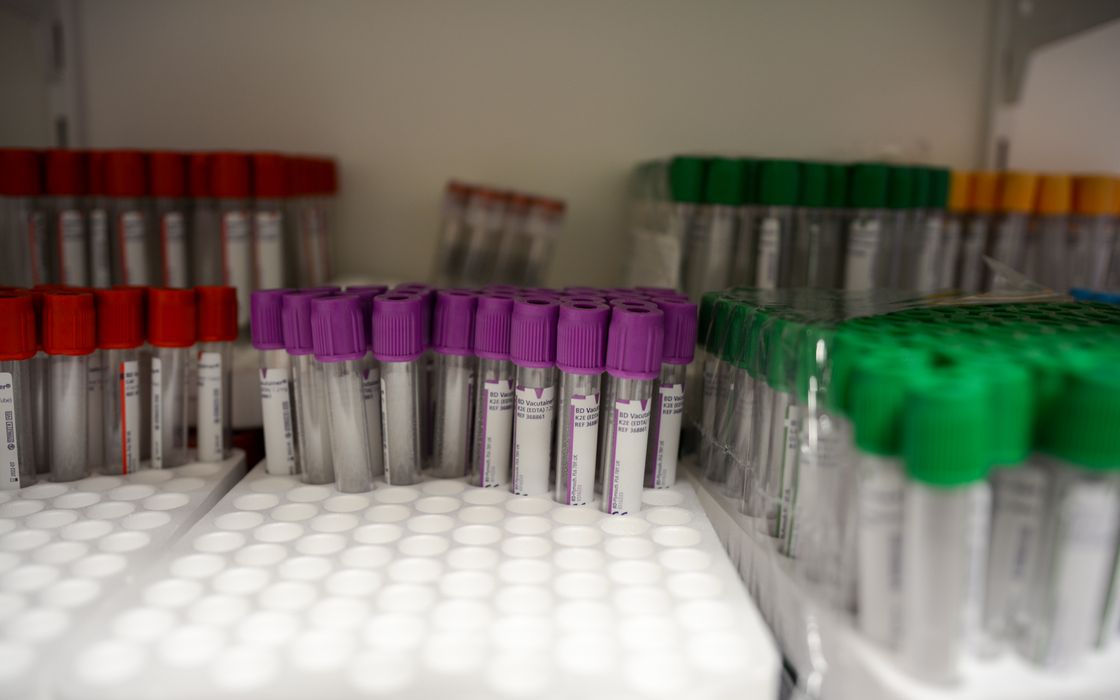
Blood and urine are collected first, then you have breakfast. Blood pressure, height, weight and waist are measured.
Imaging and consultations
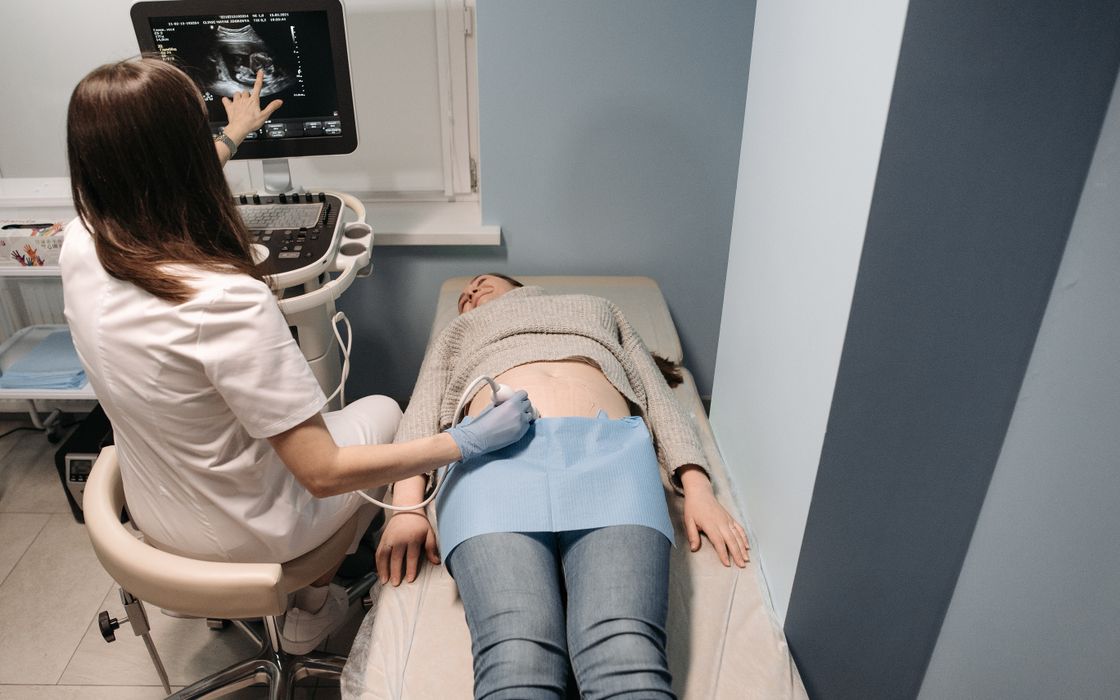
You move through ECG, ultrasound, X-ray or mammography and specialist visits. A colonoscopy or gastroscopy, if included, needs bowel preparation and sedation, so bring a companion and do not drive.
Results review
An internal medicine doctor goes through your results, often the same day. Some, such as cervical cytology or biopsies, take several days and are sent later.
Timeline: before, during and after
1–2 weeks before
Plan
Confirm tests, prices, fasting rules and any extra preparation (for example for a colonoscopy) in writing.
Day before
Prepare
Eat a light evening meal, then fast from the time you are told. If you take diabetes medicines, ask how to adjust them while fasting.
Check-up day
Tests and consultations
Most packages finish within half a day to a full day; executive check-ups can spread over two days.
2–7 days later
Remaining results
Pathology, cytology and some specialised blood tests arrive later. Ask for them to be emailed as a full report.
Back home
Follow-up
Share the report with your family doctor and arrange follow-up at home for anything abnormal.
Results and what happens next
Ask for a complete written report in English or your own language, listing every value with its units and the laboratory's reference range, plus the imaging reports and access to the images. A value outside the reference range is not necessarily a disease, and a normal result does not mean you cannot develop a problem later. Arrange follow-up of anything abnormal with a doctor at home. How often to repeat tests depends on your age, risks and results, not on a package calendar.
Risks and limitations
- False positives: a result suggests a problem that is not there, leading to more tests — sometimes invasive — and worry
- False negatives: no test is perfect, and a normal result can miss a problem, so keep reporting new symptoms
- Overdiagnosis: finding conditions that would never have caused harm, which may then be treated unnecessarily
- Radiation from CT scans and X-rays, which adds up when tests are repeated without a clear reason
- Procedure risks from colonoscopy or gastroscopy, such as reactions to sedation or, rarely, bleeding or a tear in the bowel
More tests do not make a better check-up
Packages are often sold by the number of tests. The NHS and the WHO both stress that screening has harms as well as benefits. Be cautious about 'scan everything' packages, tumour-marker panels for healthy people and anyone who uses check-up findings to push immediate surgery or treatment.
Cost of a health check-up in Turkey and what's included
€400–€2,500
Typical package price
Outpatient
No overnight hospital stay
1–3 days
Recommended time in Turkey
| Usually included | Often extra |
|---|---|
| The tests listed in the package | Additional tests suggested on the day |
| A results consultation with an internal medicine specialist | Colonoscopy or gastroscopy with sedation |
| Specialist consultations named in the package | MRI or CT scans |
| A written report, often available in English | Certified translation into other languages |
| Breakfast after fasting tests; sometimes transfers | Hotel nights, flights and follow-up at home |
Check the list line by line — two packages with the same name can differ widely.
Prices depend on the hospital, the tests and the number of consultations. Ask for a written list of every test and its price before you pay, confirm that extra tests will only be done with your consent, and check how results will be delivered. You can get free quotes to compare what packages actually contain. A screening check-up is not the same as the pre-operative tests ordered by a surgical team, for example before weight-loss surgery.
Choosing a clinic safely
- Choose an accredited hospital (for example JCI) with its own laboratory and radiologists who report the imaging
- Make sure an internal medicine specialist, not only a coordinator, reviews all results with you
- Ask whether the hospital holds the Ministry of Health's health tourism authorisation (Uluslararası Sağlık Turizmi Yetki Belgesi)
- Ask how you will receive the report, images and late results
- If you are also travelling for dental treatment or eye surgery, keep the check-up separate from that treatment decision
- Red flags: packages sold mainly on the number of tests, full-body scans promoted to healthy young people, and pressure to start treatment on the spot
Bring your history with you
A doctor who knows your family history, medicines and previous results can choose tests far better than a package menu. Bring earlier results so new values can be compared.
The best check-up is not the one with the most tests, but the one chosen for your age, history and risks — with results you can act on at home.
— WhichClinic Editorial Team
Clinics offering Health Check-up in Istanbul
Stars are Google ratings (third-party data), not WhichClinic reviews. Listings are compiled from public business data. Confirm that the clinic performs this procedure when you request a quote.
- 15.0 (148)
Küçükçekmece, Istanbul
- 24.8 (733)
Kağıthane, Istanbul
- 34.8 (259)
Sultanbeyli, Istanbul
- 45.0 (16)
Gaziosmanpaşa, Istanbul
- 54.7 (9,862)
Bahçelievler, Istanbul
- 64.7 (8,462)
Ataşehir, Istanbul
- 74.7 (8,346)
Şişli, Istanbul
- 84.7 (1,431)
Kartal, Istanbul
Get free quotes for Health Check-up in Turkey (Executive & Preventive Screening)
Tell us what you need and receive tailored offers from matched clinics — free, private and with no obligation.
- Verified badge only after document checks
- Free and no obligation
- Compare multiple offers side by side
Your details stay private — shared only with matched clinics.
Frequently asked questions
It depends on the package. A basic check-up usually covers a doctor's examination, blood pressure, and blood and urine tests such as blood count, sugar, cholesterol, kidney, liver and thyroid function. Comprehensive packages add an ECG, chest X-ray, abdominal ultrasound and specialist consultations. Compare the actual test lists rather than package names.
Usually yes: most hospitals ask for an overnight fast of about 8–12 hours before blood tests, with water allowed. Keep taking regular medicines unless told otherwise, but ask for specific advice if you take diabetes medicines. Women are usually advised not to schedule a cervical smear or urine test during a period.
Most packages take half a day to a full day, and many results are ready the same day, when a doctor reviews them with you. Some tests, such as cervical cytology or biopsies, take several days. Executive check-ups can spread over two days, so plan 1–3 days in Turkey.
It depends on your age, sex and risks. The USPSTF, for example, recommends blood-pressure checks for all adults, diabetes screening for adults aged 35–70 with overweight or obesity, colorectal screening from 45 to 75, mammography every two years from 40 to 74, cervical screening from 21 to 65 and low-dose CT only for older adults with a heavy smoking history.
For people without symptoms, generally not. The US National Cancer Institute says tumour markers have generally not worked well for screening, and the NHS warns that some private screening tests are not recommended because their benefits are unclear. Full-body scans can find harmless abnormalities that lead to further tests and worry.
Yes — ask for a complete written report with every value, its units and reference ranges, plus the imaging reports and the images themselves. Share it with your family doctor, and arrange follow-up at home for anything abnormal rather than starting unplanned treatment abroad.
As a 2026 guide, basic packages cost about €400–€700, comprehensive packages €650–€1,300, and executive or extensive cancer-screening packages up to about €2,500. Prices depend on the tests, imaging and consultations included, so ask for an itemised written quote.
There is no single rule. It depends on your age, risk factors and previous results, and national programmes set intervals for specific tests — in England, for example, bowel screening kits every two years from 50 to 74 and cervical screening every five years from 25 to 64. Ask your doctor which interval suits you.
Sources
Medical background was checked against these references. This guide is educational and does not replace a consultation with a qualified doctor.
- USPSTF — A and B recommendations (current screening recommendations)
- USPSTF — Cardiovascular disease risk: screening with electrocardiography
- USPSTF — Prostate cancer: screening
- NHS — NHS screening
- WHO Regional Office for Europe — Screening programmes: a short guide
- National Cancer Institute — Tumor markers