Chirurgie des yeux en Turquie
Une vision nette sans lunettes — adaptée à vos yeux, et non un forfait identique pour tous.
- À partir de
- 1 000 €
- Séjour habituel
- 2-4 days
Les prix sont indicatifs et confirmés après une évaluation personnalisée.
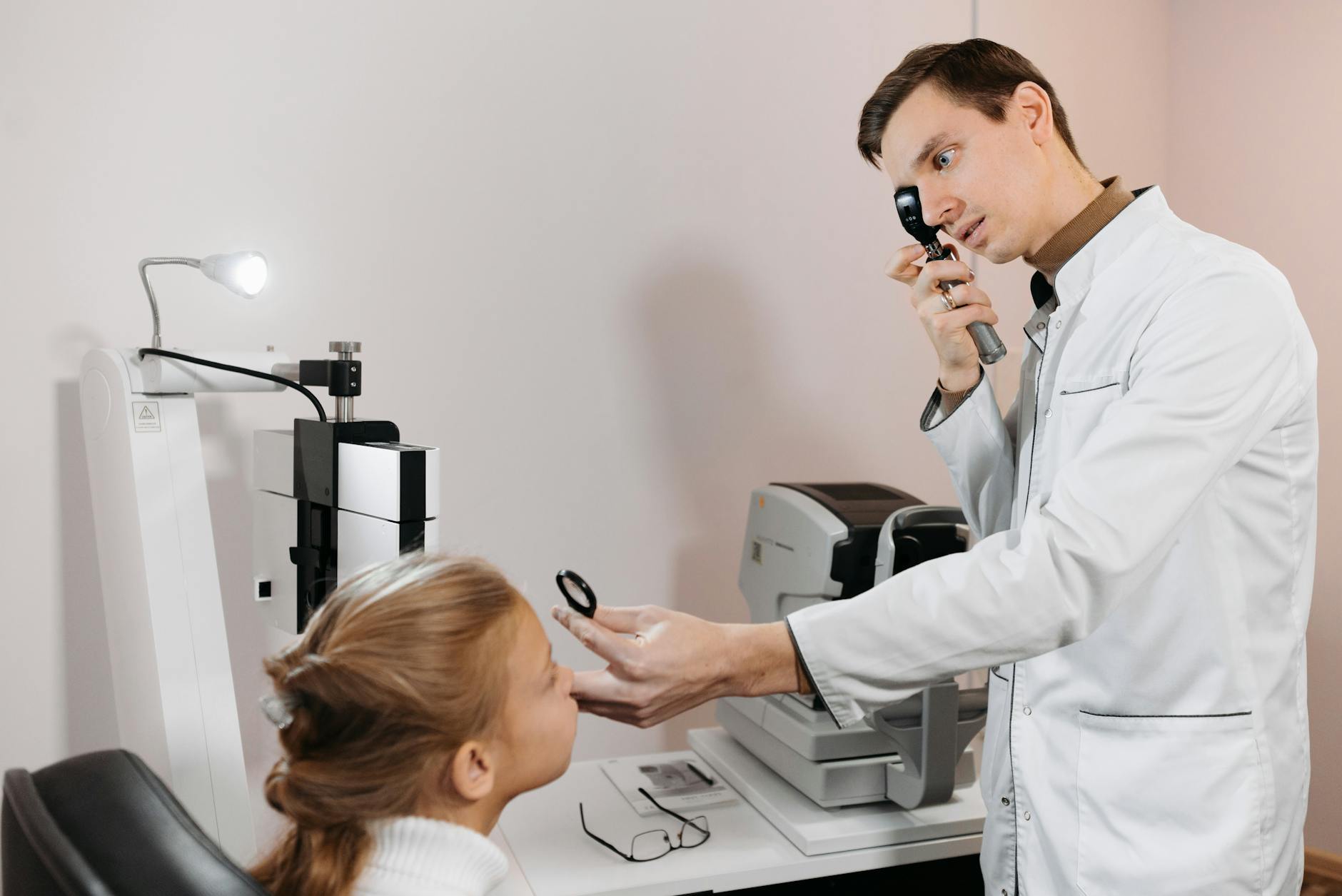
La chirurgie des yeux pour les porteurs de lunettes et de lentilles regroupe deux grandes familles d'interventions. La correction de la vue au laser remodèle la cornée pour corriger la myopie, l'hypermétropie et l'astigmatisme. La chirurgie du cristallin ajoute un implant à l'intérieur de l'œil ou remplace le cristallin naturel : elle est utilisée pour les très fortes corrections, les cornées trop fines pour le laser ou la cataracte. Le bon choix dépend bien plus de vos yeux que de la grille tarifaire, et aucune clinique sérieuse ne peut le trancher sans un examen complet préalable.
Comment cela se passe
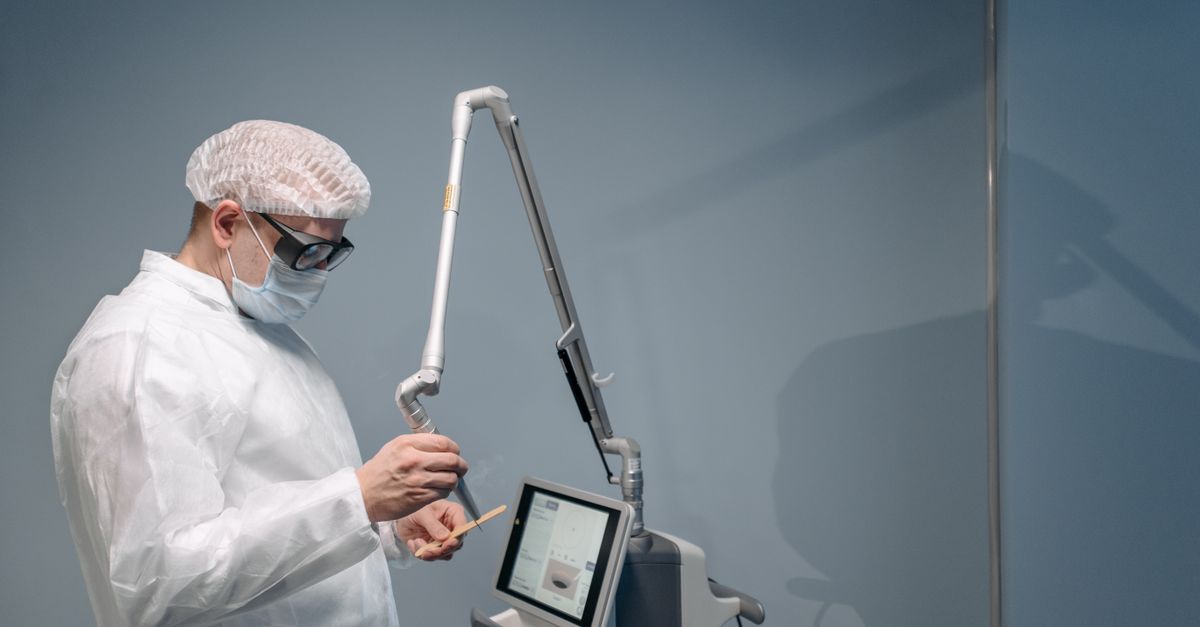
Les interventions au laser se font éveillé, avec de simples collyres anesthésiants — sans piqûre et sans anesthésie générale. Vous êtes allongé, l'œil est maintenu doucement ouvert et vous fixez une lumière pendant que le laser travaille. Le laser lui-même fonctionne quelques secondes par œil, et la séance complète dure généralement environ 10–15 minutes pour les deux yeux. Ce n'est pas douloureux ; la plupart des personnes ressentent une pression et voient la lumière faiblir un instant. Vous rentrez le jour même, mais vous ne pouvez pas conduire : prévoyez des lunettes foncées et une personne pour vous accompagner.
Mesures et cartographie
L'épaisseur de la cornée, la taille de la pupille, le film lacrymal et une carte détaillée de la surface de l'œil sont vérifiés. C'est là que l'éligibilité se décide — pas au téléphone en amont.
Anesthésie
Les collyres anesthésiants rendent l'œil insensible en une minute. Un écarteur souple vous empêche de cligner ; vous ne pourrez pas « tout gâcher » en bougeant.
Le laser
Selon la méthode, le chirurgien soulève un fin volet cornéen, travaille en surface ou retire un petit fragment de tissu en forme de lentille, puis remodèle la cornée. Vous fixez une lumière de repère pendant toute la durée.
Juste après
La vue est brouillée et les yeux pleurent et piquent pendant quelques heures. Vous vous reposez, utilisez les collyres qui vous sont remis et vous présentez au contrôle le lendemain matin.
Adapter la méthode à vos yeux
Il n'existe pas une seule « meilleure » opération : chacune convient à un œil différent. Un bilan sérieux adapte la technique à votre correction, à l'épaisseur de votre cornée et à votre mode de vie.
| Intervention | Convient surtout à | Comment cela fonctionne |
|---|---|---|
| LASIK | La plupart des myopies/hypermétropies et astigmatismes avec des cornées normales | Un laser femtoseconde soulève un fin volet cornéen ; un laser excimer remodèle la cornée en dessous ; le volet est reposé. Récupération visuelle rapide. |
| LASEK / PRK | Cornées plus fines, yeux secs, sports de contact ou vie active | Traitement de surface sans volet — la couche externe cicatrise en quelques jours. Même résultat final, davantage d'inconfort la première semaine. |
| SMILE | Myopie et astigmatisme | Un petit lenticule est découpé à l'intérieur de la cornée puis retiré par une incision de 2–4 mm. Sans volet, et souvent plus respectueux du film lacrymal. |
| IOL phaque / ICL | Très fortes corrections, ou cornées trop fines pour le laser | Une lentille souple est placée à l'intérieur de l'œil sans retirer le cristallin naturel. Elle ne remodèle pas la cornée et peut être retirée plus tard. |
| Cataracte / échange de cristallin | Cataracte, ou personnes de plus de 45 ans souhaitant moins dépendre des lunettes de lecture | Le cristallin naturel est remplacé par un implant intraoculaire artificiel — monofocal, multifocal ou trifocal. |
La technique découle de votre examen, pas d'une carte de choix.
Quelques éléments déterminent si le laser est seulement sûr pour vous : une correction stable (généralement peu de changement depuis environ un an), une épaisseur cornéenne suffisante pour remodeler sans risque, des yeux sains avec une éventuelle sécheresse oculaire traitée au préalable, et avoir 18 ans ou plus — idéalement une vingtaine d'années, quand la correction s'est stabilisée. La grossesse, certains médicaments et des pathologies comme le kératocône modifient le plan. Si le laser est écarté, un implant reste souvent possible.
Chirurgie de la cataracte et choix de l'implant
Lors de la chirurgie de la cataracte, le cristallin naturel opacifié est fragmenté par ultrasons (phacoémulsification) puis remplacé par un implant artificiel transparent, à travers une minuscule incision auto-étanche. L'intervention est indolore sous collyre et dure environ 15–20 minutes par œil. L'implant choisi façonne le résultat : un implant monofocal donne une vision nette à une seule distance (vous garderez des lunettes pour lire) ; les implants multifocaux et trifocaux visent la vision de loin, intermédiaire et de près à la fois, réduisent le recours aux lunettes mais rendent plus probables les halos ou éblouissements autour des lumières la nuit. Les versions toriques corrigent l'astigmatisme. La même opération de remplacement du cristallin, réalisée uniquement pour réduire les lunettes sur un œil plus âgé, s'appelle l'échange de cristallin réfractif.
Le calendrier de récupération
Jour 1
Vue voilée et larmoiement
La vue est floue, les yeux pleurent et donnent une sensation de sable, la lumière est inconfortable. C'est attendu. Vous portez une coque la nuit et suivez le rythme de vos collyres.
Jours 2–3
De nouveau fonctionnel
Après un LASIK ou un SMILE, la plupart des personnes voient assez bien pour les tâches courantes et retournent devant un écran. La PRK/LASEK est plus lente : la vue reste floue pendant que la surface cicatrise sous une lentille pansement.
Semaine 1
Retour à la routine
Beaucoup sont autorisés à conduire et à travailler une fois que le chirurgien a confirmé votre vision. Évitez de vous frotter les yeux, la piscine, la poussière et le maquillage des yeux.
Semaines 2–4
Stabilisation
La vue s'affine et se stabilise. Les éblouissements nocturnes et la sécheresse, s'ils sont présents, s'atténuent généralement. Les techniques de surface atteignent ce stade plus tard que le LASIK.
1–3 mois
Résultat final
La vision se stabilise complètement et les collyres sont progressivement arrêtés. Toute décision concernant une retouche n'est prise qu'une fois les choses stabilisées.
Ce que cela coûte
Si la chirurgie des yeux est moins chère en Turquie, c'est surtout en raison de coûts de personnel, de structure et de vie plus faibles et d'un volume élevé d'interventions — et non parce que les lasers ou les implants seraient différents. Les principaux hôpitaux ophtalmologiques turcs utilisent les mêmes plateformes femtoseconde et excimer et les mêmes implants intraoculaires de marque que les cliniques d'Europe de l'Ouest. Les chiffres ci-dessous sont approximatifs et fixés après le bilan : votre devis réel dépend de la méthode, de l'implant et de vos yeux. La fourchette générale pour les interventions au laser courantes se situe autour de 1 000–2 500 € pour les deux yeux, les implants trifocaux haut de gamme et les ICL se plaçant en haut de cette fourchette, voire au-dessus.
| Intervention / implant | Fourchette approx., les deux yeux |
|---|---|
| LASIK / LASEK / PRK | 1 000–1 600 € |
| SMILE | 1 600–2 200 € |
| Cataracte, implant monofocal | 1 200–2 000 € |
| Implant multifocal / trifocal | 2 000–3 500 € |
| IOL phaque / ICL | à partir de 2 500 € |
Tarifs indicatifs en Turquie ; le devis final suit votre examen oculaire et le choix de l'implant.
10–15 min
séance de laser habituelle, les deux yeux
24–48 h
beaucoup reprennent leurs activités courantes (LASIK/SMILE)
18+
âge minimum, avec une correction stable
1 000–2 500 €
fourchette approximative pour les deux yeux
Choisir une clinique en toute sécurité
Le facteur le plus important est de savoir si vous êtes examiné correctement et si l'on vous dit la vérité — y compris « non ». Exigez qu'un chirurgien ophtalmologiste qualifié, et non un coordinateur, relise vos examens et réalise l'opération. Demandez quel laser ou quel implant exact sera utilisé, qui assure votre suivi si vous rentrez en avion, et ce qui se passe si une retouche est nécessaire. Méfiez-vous d'un devis donné avant toute mesure, et de quiconque promet un résultat garanti : les chirurgiens honnêtes parlent en probabilités. WhichClinic référence des cliniques dont les qualifications chirurgicales et le matériel sont vérifiables, mais les mêmes vérifications s'appliquent où que vous alliez.
Tout le monde n'est pas éligible — exigez un bilan
Un résultat sûr commence par un examen approfondi de l'épaisseur cornéenne, de la stabilité de la correction, du film lacrymal et de la santé de la rétine. Des cornées fines ou irrégulières, une correction instable, une sécheresse oculaire non contrôlée ou des pathologies comme le kératocône peuvent rendre le laser dangereux. Une clinique qui propose l'intervention sans ces examens, ou qui vous pousse à opérer le jour même, est un signal d'alerte — passez votre chemin.
Une note sur cette page
Il s'agit d'informations générales et non d'un avis médical. Quelle intervention convient, quel résultat est probable et quels sont les risques réels pour vos yeux ne peuvent être appréciés que par un ophtalmologiste qualifié après un examen en personne. Discutez toujours de votre cas, de vos traitements et de vos attentes avec le chirurgien qui vous opérera.
Le meilleur résultat en chirurgie des yeux n'est ni le rendez-vous le plus rapide ni le prix le plus bas : c'est le chirurgien qui mesure avec soin, explique les compromis et accepte de vous dire que l'opération n'est pas faite pour vous.
— La rédaction de WhichClinic
Recevez des devis gratuits pour Chirurgie des yeux en Turquie
Dites-nous ce dont vous avez besoin et recevez des offres personnalisées de cliniques vérifiées — gratuit, confidentiel et sans engagement.
- Uniquement des cliniques vérifiées et accréditées
- Gratuit et sans engagement
- Comparez plusieurs offres côte à côte
Vos données restent confidentielles — partagées uniquement avec les cliniques correspondantes.