
Операция по удалению катаракты
Операция по удалению катаракты в Турции: быстрая замена хрусталика, возвращающая зрение, по более низкой цене — с реальным выбором линзы.
- От
- 1 200 €
- Обычный срок пребывания
- 3-5 days
Цены являются ориентировочными и подтверждаются после индивидуальной консультации.
Полное руководство по специальности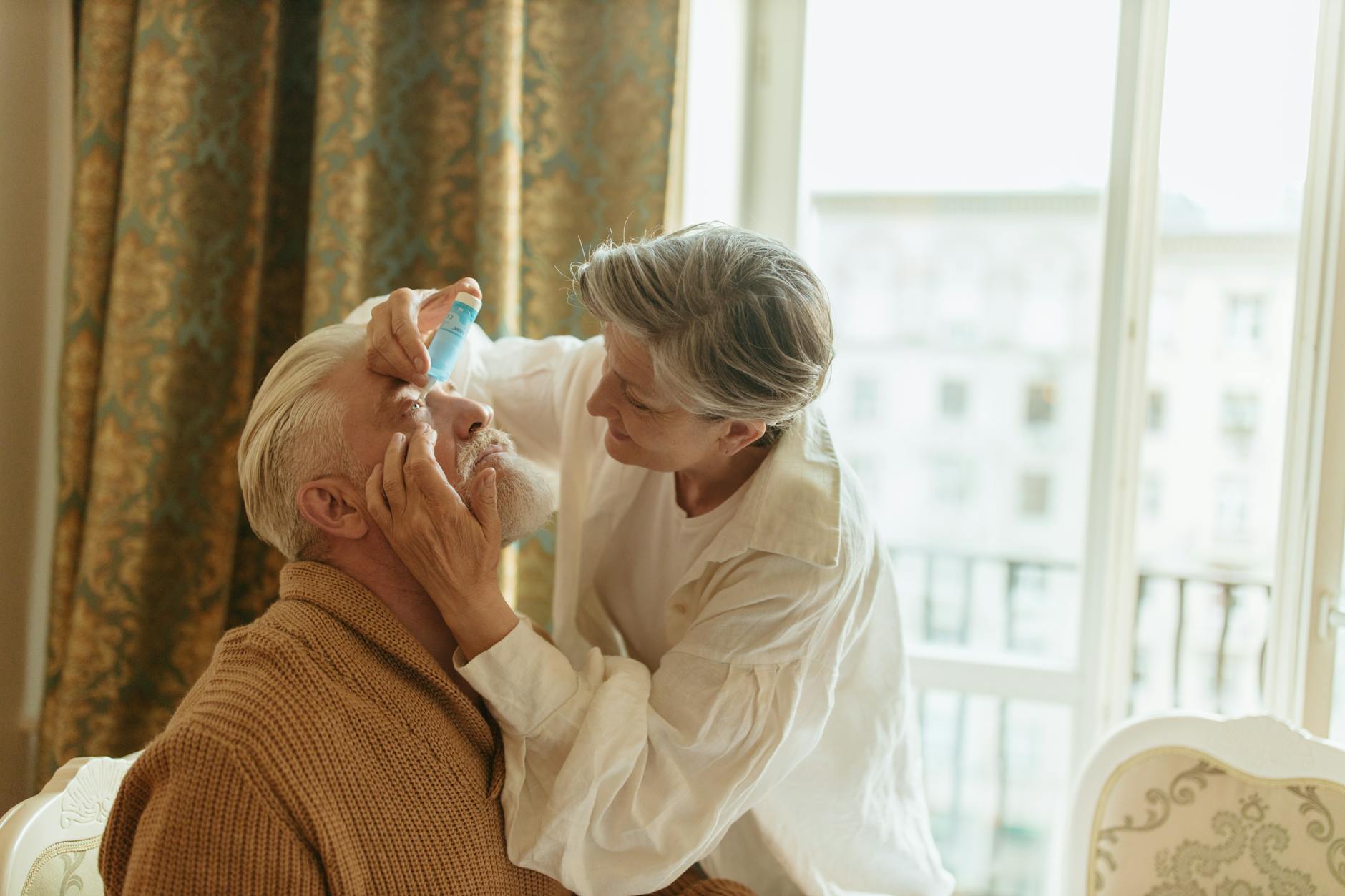
Катаракта — это помутнение естественного хрусталика глаза, из-за которого зрение затуманивается, цвета блёкнут, а засветы усиливаются; для многих людей это обычная часть старения. Операция по удалению катаракты — одна из самых часто выполняемых и лучше всего изученных операций в мире. В Турции опытные офтальмологические клиники с большим потоком пациентов проводят её заметно дешевле, чем в Великобритании, и нередко сразу обсуждают более широкий выбор премиальных линз.
Что такое операция по удалению катаракты и как она проходит?
Во время операции хирург удаляет помутневший естественный хрусталик и заменяет его прозрачной искусственной интраокулярной линзой (ИОЛ). Обычный метод — факоэмульсификация: ультразвук аккуратно дробит катаракту через микроразрез, после чего внутрь вводится сложенная ИОЛ, которая расправляется в глазу. Процедуру, как правило, выполняют под местной анестезией каплями, по одному глазу за раз, и она обычно занимает около 15–30 минут на глаз.
Ваши варианты интраокулярной линзы (ИОЛ)
| Тип линзы | Что даёт | Полезно знать |
|---|---|---|
| Монофокальная | Чёткое зрение на одном расстоянии (обычно вдаль) | Очки для чтения всё равно нужны; широко применяется и надёжна |
| Торическая | Корригирует астигматизм на одном расстоянии | Меньше очков при астигматизме; фокус остаётся один |
| Мультифокальная / трифокальная | Фокус вблизи, на среднем расстоянии и вдаль | Может сократить ношение очков, но возможны ореолы и засветы |
| Увеличенная глубина фокуса | От дали до среднего расстояния, более плавные переходы | Меньше ореолов, чем у трифокальной, но слабее зрение вблизи |
«Лучшая» линза зависит от ваших глаз, образа жизни и переносимости ночных засветов, а не только от цены.
Кому нужна операция по удалению катаракты?
- Тем, у кого катаракта мешает повседневной жизни — чтению, вождению, из-за засветов или трудностей с узнаванием лиц
- Тем, чьё зрение уже не удаётся достаточно скорригировать очками
- Пациентам, которым офтальмолог сообщил, что катаракта достаточно зрелая для лечения
- Тем, кто понимает: операция при катаракте обычно показана по медицинским причинам, в отличие от исключительно плановой лазерной коррекции
- Тем, чьи глаза в остальном подходят, а сопутствующие состояния (глаукома, заболевания сетчатки) заранее корректно оценены
- Тем, кто готов обсудить, какой тип ИОЛ лучше отвечает их зрительным задачам и переносимости засветов
Операция при катаракте шаг за шагом

Полное обследование глаза и биометрия
Точные измерения глаза позволяют рассчитать нужную оптическую силу ИОЛ; одновременно проверяются другие заболевания глаз.
Выбор линзы
Вместе с хирургом вы выбираете между монофокальной, торической, мультифокальной линзой или линзой с увеличенной глубиной фокуса — исходя из ваших целей.
Обезболивание глаза
Анестезирующие капли (иногда небольшая инъекция) обезболивают глаз. Вы остаётесь в сознании, но боли не чувствуете — только свет и лёгкое давление.
Удаление катаракты
Через микроразрез ультразвук дробит помутневший хрусталик, и его аккуратно извлекают.
Установка ИОЛ
Сложенная прозрачная линза вводится в глаз, где расправляется и занимает своё положение.
Восстановление и осмотры
Разрез обычно герметизируется сам. После короткого отдыха и осмотра вы возвращаетесь в место проживания с защитным щитком и каплями.
Сроки восстановления
День 0
День операции
Зрение затуманено, глаз может ощущаться как «песочный» или слезиться. Носите защитный щиток, используйте капли и не трите глаз.
День 1
Первый контрольный осмотр
Важный послеоперационный осмотр подтверждает, что глаз заживает хорошо. Многие пациенты уже замечают более яркое и чёткое зрение и более сочные цвета.
Дни 2–7
Раннее заживление
Зрение продолжает проясняться. Избегайте подъёма тяжестей, плавания, пыльных и грязных мест; соблюдайте схему закапывания.
Недели 1–4
Стабилизация
Зрение стабилизируется, ощущение песка проходит. Если планируется второй глаз, обычно его оперируют в этот период.
Недели 4–6
Итоговое зрение
Зрение, как правило, стабильно, и можно подобрать окончательные очки (если они нужны).
Результаты и как долго они сохраняются
Операция по удалению катаракты обычно очень эффективно возвращает чёткое зрение, и большинство пациентов вскоре после заживления отмечают более яркое и резкое зрение. Результат постоянный в том смысле, что катаракта не может вернуться: естественного хрусталика больше нет. У части людей позже развивается безобидное помутнение оболочки позади линзы (помутнение задней капсулы), которое легко устраняется быстрой лазерной процедурой в клинике. В зависимости от выбранной ИОЛ для некоторых задач очки могут всё же понадобиться; это следует открыто обсудить заранее.
Стоимость операции по удалению катаракты в Турции и что входит в цену
Операцию при катаракте обычно оценивают за один глаз. В Турции заявленные цены, как правило, составляют от €1,200 до €3,000 за глаз, и главная переменная — тип ИОЛ: стандартные монофокальные линзы находятся в нижней части диапазона, премиальные мультифокальные или торические — в верхней. Турция доступнее из-за более низких операционных расходов, курса валют и большого потока пациентов, а не из-за худших линз или оборудования — это международно признанные бренды.
| Позиция | Типичный диапазон (за глаз) | Примечания |
|---|---|---|
| Операция при катаракте, монофокальная ИОЛ | €1,200–€1,800 | Чёткое зрение на одном расстоянии |
| С торической ИОЛ (астигматизм) | €1,800–€2,400 | Корригирует астигматизм |
| С мультифокальной / трифокальной ИОЛ | €2,200–€3,000 | Меньше очков; возможны ореолы |
| Обследования, капли и контрольные осмотры | Часто включены | Уточните, что покрывает цена |
Уточните, какой тип ИОЛ включён и рассчитана ли цена за один глаз или за оба.

€1,200–€3,000
Типичная цена за глаз в зависимости от типа линзы
15–30 мин
Примерная длительность операции на один глаз
3–5 дней
Рекомендуемое пребывание в Турции
Как безопасно выбрать клинику
- Убедитесь, что операцию выполняет опытный офтальмохирург, и спросите, сколько операций по поводу катаракты он проводит
- Проверьте, что в смете указаны точные тип и бренд ИОЛ
- Уточните, указана цена за один глаз или за оба
- Настаивайте на полноценной предоперационной биометрии и проверке здоровья глаз, включая глаукому и сетчатку
- Убедитесь, что клиника проведёт ваш послеоперационный осмотр до вылета домой
- Спросите, входят ли в стоимость наблюдение и лечение возможных осложнений
Тревожный сигнал: вас подталкивают к премиальной линзе, о которой вы не просили
Премиальная мультифокальная линза не автоматически лучше для любого глаза — некоторым пациентам монофокальная линза даёт более чистое зрение без засветов. Будьте осторожны, если клиника направляет вас к самой дорогой ИОЛ, не объясняя компромиссов, или преуменьшает ночные ореолы и засветы. Имеющиеся состояния, такие как глаукома или заболевания сетчатки, должны быть оценены в первую очередь; надёжный хирург подбирает линзу под ваш глаз, а не под счёт.
Медицинская оговорка
Это руководство содержит общую информацию, а не медицинскую консультацию. Нужна ли вам операция по поводу катаракты и какая линза вам подходит, может определить только квалифицированный офтальмолог после очного осмотра именно ваших глаз. Всегда получайте индивидуальную оценку перед лечением.
Операция по удалению катаракты надёжно возвращает зрение, когда её делают по правильным показаниям и с правильной для этого пациента линзой. Чёткое консультирование по выбору линзы важно не меньше самой операции.
— Медицинская команда WhichClinic
Получите бесплатные предложения по Операция по удалению катаракты
Расскажите, что вам нужно, и получите индивидуальные предложения от проверенных клиник — бесплатно, конфиденциально и без обязательств.
- Только проверенные, аккредитованные клиники
- Бесплатно и без обязательств
- Сравнивайте несколько предложений рядом
Ваши данные остаются конфиденциальными — передаются только подходящим клиникам.