Dental Treatment in Turkey: An Honest Patient's Guide
Veneers, crowns, implants and All-on-4 in Turkey can cost 50–70% less — but the biggest risk isn't price, it's healthy teeth ground down for a 'Hollywood smile'. Here is how to get world-class dental work without the over-treatment.
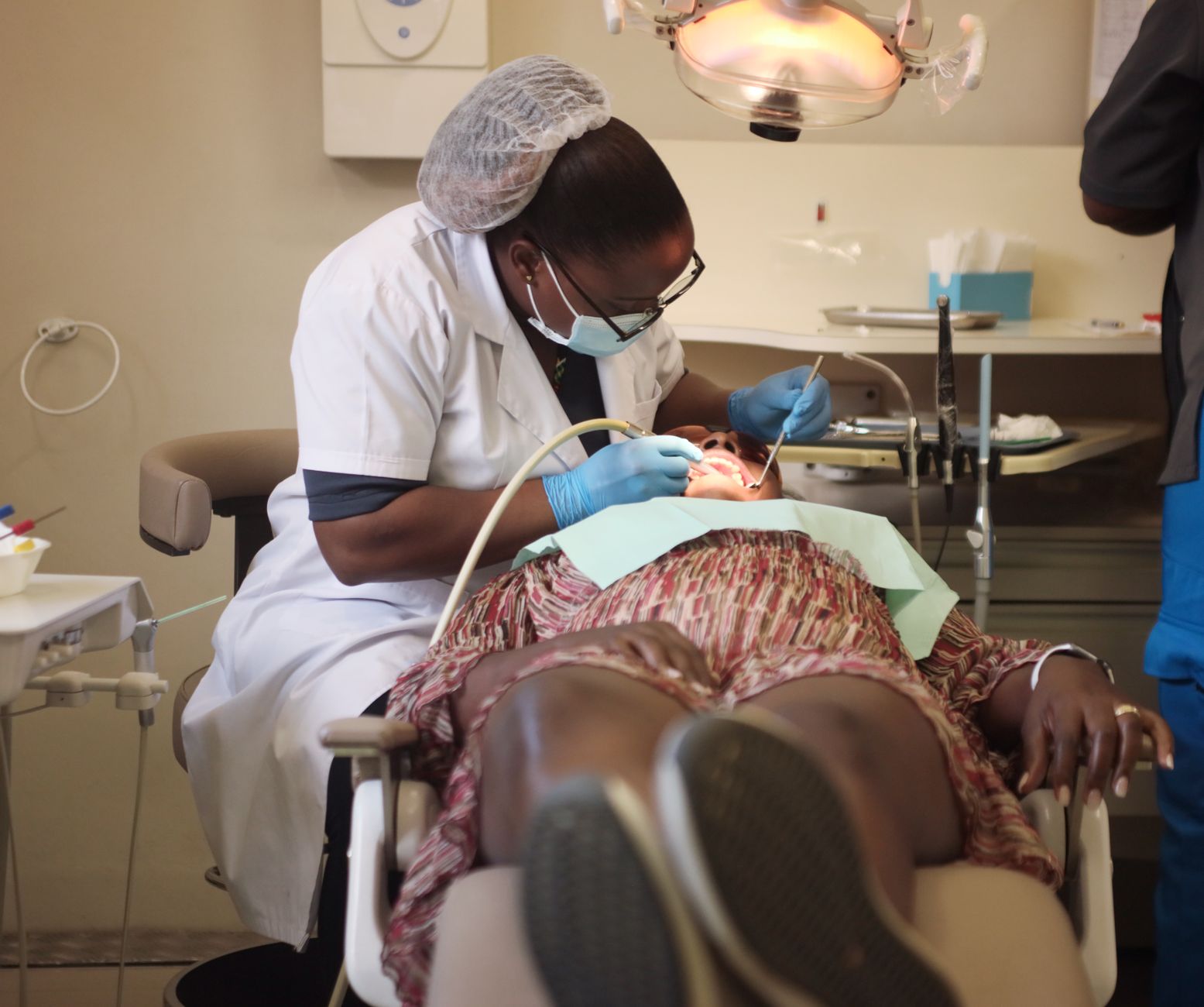
Photo: Elizabeth Lizzie / Pexels
Dentistry is the single most common reason patients fly to Turkey, and for good reason: a clinic in Istanbul or Antalya can rebuild a full smile for a fraction of UK or US prices. But dental tourism also has a darker pattern that the glossy before-and-after photos never mention — perfectly healthy teeth being ground down to stumps in the name of a fast 'Hollywood smile'. This guide covers what to book, what it should cost, and the one ethical red flag that matters more than any price.
The procedures patients actually book
Most dental-tourism work falls into four categories. Veneers are thin ceramic shells bonded to the front of a tooth to change its shape and colour. Crowns are full caps that cover a tooth that is damaged, root-treated or heavily worn. Implants are titanium posts placed into the jawbone to replace a missing tooth, later topped with a crown. All-on-4 and All-on-6 use four or six implants to anchor a fixed full-arch bridge — the modern alternative to dentures for people missing most or all of their teeth.
Veneers vs. aggressive 'crown prep'
This is the distinction that protects your teeth for life. A genuine veneer removes only a thin sliver of enamel — roughly 0.3–0.7 mm, sometimes none at all — and leaves the tooth essentially intact. What is frequently sold as a 'veneer package' in high-volume clinics is something else entirely: the tooth is filed down to a small peg so a full crown can be slipped over it. That is faster, works on crooked teeth without orthodontics, and lets a clinic quote a whole smile in one week. It is also irreversible, and grinding a healthy tooth that close to the nerve can trigger sensitivity, nerve death and root canals years later.
The over-treatment red flag
Be very cautious when a clinic proposes shaving eight, ten or more healthy front teeth into pegs for 'veneers'. If teeth are being reduced to small cores, you are getting crowns, not veneers — an irreversible choice with lifelong consequences. A full-mouth 'Hollywood smile' quoted on healthy, untreated teeth deserves a second opinion, not a deposit.
Why implants rarely fit into one trip
Veneers and crowns can usually be finished in a single 5–7 day visit. Implants are different, because biology sets the schedule: the bone has to physically fuse to the titanium post — a process called osseointegration — before it can carry a permanent crown. That takes months, and it happens while you are back home, not on holiday. Any clinic promising permanent implants-and-crowns for every case in one week is either using 'immediate load' shortcuts that not everyone qualifies for, or cutting a corner you will feel later.
Visit 1 · Days 1–5
Placement
Any hopeless teeth are extracted and the titanium implant post is placed into the jaw. Some cases receive a temporary tooth; many do not.
Weeks 1–2 · At home
Soft-tissue healing
The gum heals and sutures come out — often handled by your local dentist rather than another flight back.
Months 2–5 · At home
Osseointegration
Bone fuses to the implant. This cannot be rushed, and it is the real reason one trip is usually not enough.
Visit 2 · Later trip
Final crown
Once an X-ray confirms the implant has integrated, the abutment and permanent crown are fitted and the bite is adjusted.
What you'll actually pay
| Per tooth / unit | Turkey | UK | US |
|---|---|---|---|
| E-max veneer | €180–€350 | £550–£1,000 | $1,000–$2,500 |
| Zirconia crown | €150–€300 | £450–£900 | $800–$1,700 |
| Single implant + crown | €600–€1,100 | £2,000–£3,500 | $3,000–$6,000 |
| All-on-4 (per arch) | €3,500–€6,500 | £10,000–£15,000 | $20,000–$30,000 |
Approximate 2026 ranges for guidance only. Prices exclude flights and hotel, and vary widely by material, case complexity and clinic tier. Always get a written, itemised quote.
3–6 mo
typical osseointegration before a final implant crown
10–15 yr
realistic lifespan of well-made e-max or zirconia work
2 trips
what most implant cases genuinely require
Materials, labs, and getting the guarantee in writing
- E-max (lithium disilicate) is the front-tooth favourite: translucent, natural-looking and conservative on enamel — but less ideal for heavy chewing load at the back.
- Zirconia is stronger and better suited to crowns, bridges, molars and full-arch work; older monolithic types can look opaque, while layered zirconia balances strength and aesthetics.
- Ask where the lab is and who runs it. The ceramist matters as much as the dentist. A named in-house or established local lab beats anonymous outsourced work you cannot trace.
- Get the guarantee in writing before you pay: what is covered, for how long (5–10 years is common for quality work), who pays for a remake, and whether return travel is included. A verbal 'lifetime guarantee' from a clinic you may never physically revisit is worth very little.
Good dentistry in Turkey is real, and it is affordable. But your enamel does not grow back. The patient who leaves with a healthy, conservative result is almost always the one who asked why a tooth needed touching at all.
— WhichClinic Medical Team
Questions fréquentes
WhichClinic Medical Team
Vérifié par l'équipe éditoriale et confiance de WhichClinic. Nous vérifions les cliniques et publions des guides qui font passer la sécurité des patients avant le marketing.