Why Turkey Became the World's Medical Tourism Capital
Over 1.4 million international patients travel to Turkey each year. Here is the honest breakdown of what drives the numbers — and what to watch for before you book.

Foto: Rasul Yarichev / Pexels
Turkey now treats more international patients than almost any other country on earth. The Turkish Ministry of Health reports that medical tourism revenue passed $2 billion annually, with patients arriving from Europe, the Gulf, North Africa and increasingly the United States. But headline numbers rarely explain the decision you actually have to make. This guide is about the real reasons — and the honest caveats.
The three forces behind the growth
Turkey's rise is not an accident or a marketing trick. Three structural advantages compound together:
A dense supply of specialist clinics
Istanbul, Antalya, Izmir and Ankara host hundreds of accredited hospitals and boutique clinics competing for the same international patients, which pushes both quality and price.
A favourable cost base
Lower labour, real-estate and overhead costs mean a procedure can cost 50–70% less than in Western Europe or the US — without the surgeon necessarily being less experienced.
Volume creates expertise
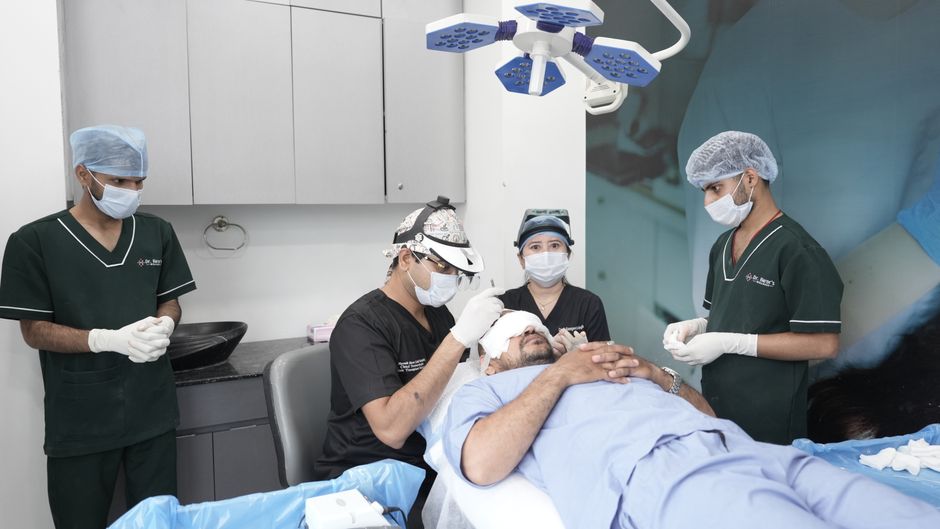
A hair-transplant surgeon in Istanbul may perform more cases in a month than a Western peer does in a year. High volume, done safely, builds genuine skill.
Where the savings actually come from
Patients often assume cheaper means lower quality. Usually it does not. The price gap is driven by the cost of running a clinic in Turkey, not by cutting corners in the operating room. A JCI-accredited Turkish hospital follows the same international safety protocols as one in Germany — it simply pays less for the building, the staff and the equipment financing.
50–70%
typical saving vs. Western Europe / US
1.4M+
international patients per year
48+
JCI-accredited facilities
The parts nobody advertises
Health tourism marketing tends to show only the polished side. Three things deserve your attention before you commit:
- Quality varies enormously. The same city contains world-class hospitals and unregulated operators working out of apartments. The country average tells you nothing about the specific clinic you choose.
- Follow-up is on you. Once you fly home, aftercare becomes remote. A serious clinic plans for this; a cheap one disappears after the procedure.
- The lowest quote is a warning, not a win. All-inclusive packages that undercut everyone usually recover the margin somewhere you cannot see.
The single biggest mistake
Choosing a clinic by price alone. The difference between a €1,800 and a €2,400 hair transplant is trivial next to the difference between a verified surgeon and an anonymous 'technician'. Verify first, compare price second.
How to travel smart, not just cheap
The patients who have the best outcomes treat this like any serious medical decision at home: they check credentials, read independent reviews, ask for the surgeon's name in writing, and compare at least three verified clinics before choosing. That is exactly the workflow WhichClinic is built around — verification first, then transparent comparison.
Turkey rewards the prepared patient. The same market that offers world-class care at half the price also contains operators betting you won't check. Your job is to be the patient who checks.
— WhichClinic Editorial
Preguntas frecuentes
WhichClinic Editorial
Revisado por el equipo editorial y de confianza de WhichClinic. Verificamos las clínicas y publicamos orientación que antepone la seguridad del paciente al marketing.