Augenoperationen in der Türkei
Klare Sicht ohne Brille — abgestimmt auf Ihre Augen, kein Pauschalpaket für alle.
- Ab
- 1.000 €
- Typischer Aufenthalt
- 2-4 days
Die Preise sind Richtwerte und werden nach einer persönlichen Beratung bestätigt.
Augenoperationen für Brillen- und Kontaktlinsenträger umfassen zwei große Verfahrensfamilien. Die Laser-Sehkorrektur formt die Hornhaut neu, um Kurzsichtigkeit, Weitsichtigkeit und Hornhautverkrümmung zu korrigieren. Bei der linsenbasierten Chirurgie wird entweder eine Linse zusätzlich ins Auge eingesetzt oder die natürliche Linse ersetzt — angewendet bei sehr hohen Dioptrienwerten, bei für den Laser zu dünner Hornhaut oder bei Grauem Star. Die richtige Wahl hängt weit mehr von Ihren Augen ab als von der Preisliste, und keine seriöse Klinik kann sie ohne eine vorherige vollständige Untersuchung treffen.
Wie es abläuft
Lasereingriffe erfolgen im wachen Zustand, allein mit anästhesierenden Augentropfen — ohne Spritzen und ohne Vollnarkose. Sie liegen flach, das Auge wird sanft offen gehalten, und Sie fixieren ein Ziellicht, während der Laser arbeitet. Der Laser selbst läuft Sekunden pro Auge, und die gesamte Sitzung dauert meist etwa 10–15 Minuten für beide Augen. Es ist nicht schmerzhaft; die meisten spüren einen Druck und sehen das Licht kurz schwächer werden. Sie gehen am selben Tag nach Hause, dürfen aber nicht selbst fahren und brauchen eine dunkle Brille sowie eine Begleitperson.
Messungen und Hornhauttopografie
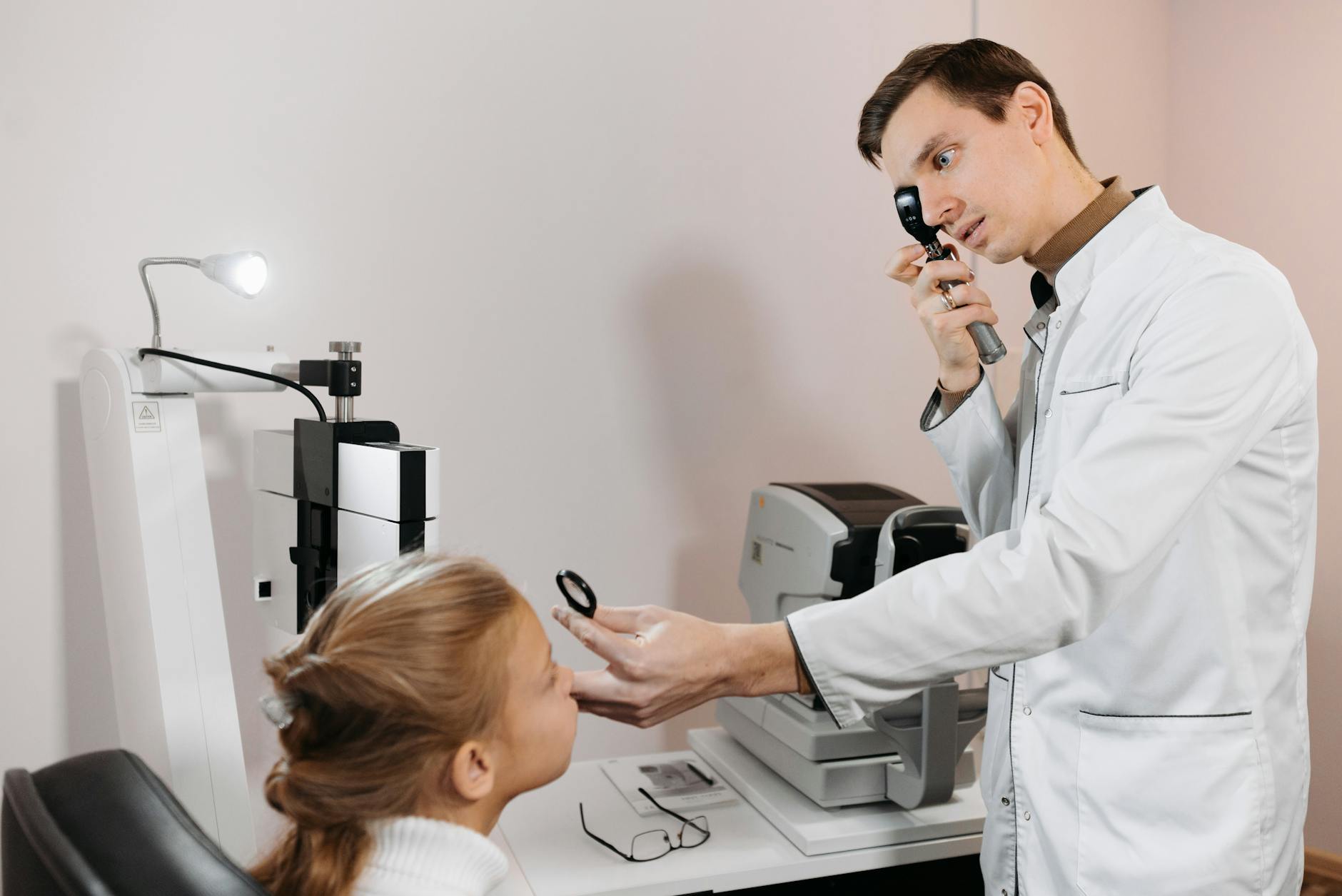
Hornhautdicke, Pupillengröße, Tränenfilm und eine detaillierte Karte der Augenoberfläche werden überprüft. Hier wird über die Eignung entschieden — nicht vorab am Telefon.
Betäubung
Anästhesierende Tropfen machen das Auge innerhalb einer Minute unempfindlich. Ein weicher Lidhalter verhindert das Blinzeln; Sie werden nicht das Gefühl haben, durch eine Bewegung etwas „ruinieren“ zu können.
Der Laser
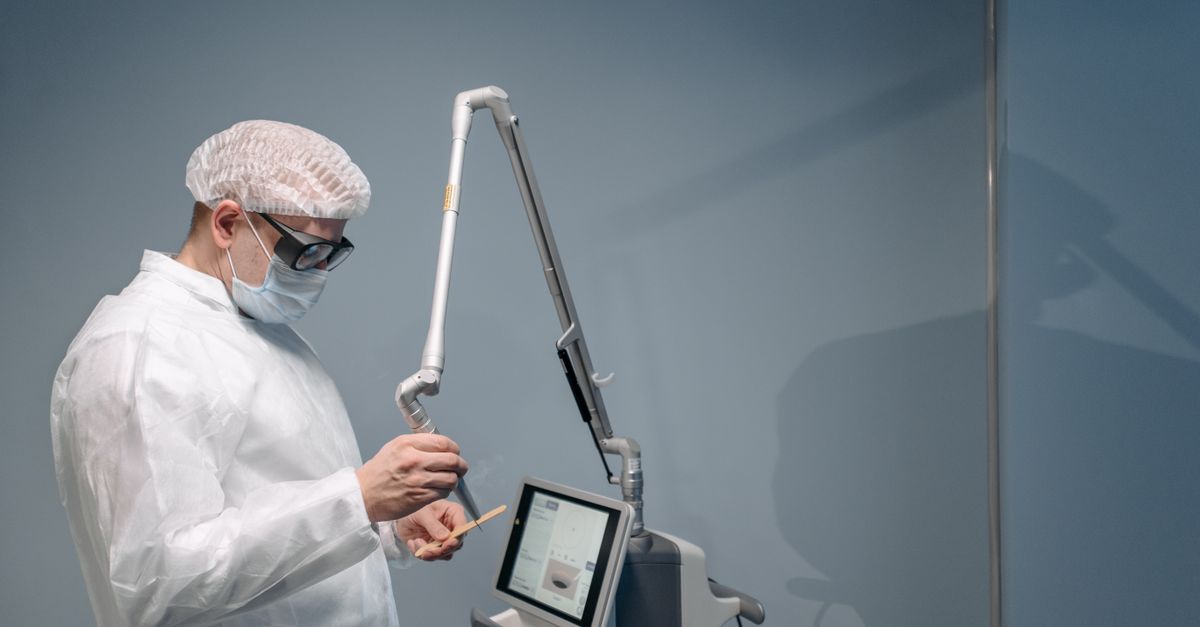
Je nach Methode hebt die Chirurgin oder der Chirurg ein dünnes Läppchen (Flap) an, arbeitet an der Oberfläche oder entnimmt ein kleines linsenförmiges Gewebestück und formt anschließend die Hornhaut neu. Sie blicken dabei durchgehend auf ein Fixierlicht.
Direkt danach
Das Sehen ist verschwommen, die Augen tränen und brennen einige Stunden. Sie ruhen sich aus, verwenden die verordneten Tropfen und kommen am nächsten Morgen zur Kontrolle.
Die Methode zu Ihren Augen passend wählen
Es gibt nicht die eine „beste“ Operation — jede passt zu einem anderen Auge. Eine sorgfältige Untersuchung stimmt die Technik auf Ihre Werte, Ihre Hornhautdicke und Ihren Alltag ab.
| Verfahren | Am besten geeignet für | So funktioniert es |
|---|---|---|
| LASIK | Die meisten Kurz-/Weitsichtigkeiten und Hornhautverkrümmungen bei normaler Hornhaut | Ein Femtosekundenlaser hebt ein dünnes Läppchen; ein Excimerlaser formt die darunterliegende Hornhaut neu; das Läppchen legt sich zurück. Schnelle Seherholung. |
| LASEK / PRK | Dünnere Hornhäute, trockene Augen, Kontaktsport oder aktiver Alltag | Oberflächenbehandlung ohne Flap — die äußere Schicht heilt über einige Tage. Gleiches Endergebnis, mehr Beschwerden in der ersten Woche. |
| SMILE | Kurzsichtigkeit und Hornhautverkrümmung | Innerhalb der Hornhaut wird ein kleines Lentikel geformt und durch einen 2–4 mm großen Schnitt entfernt. Ohne Flap und oft schonender für den Tränenfilm. |
| Phake IOL / ICL | Sehr hohe Dioptrienwerte oder für den Laser zu dünne Hornhäute | Eine weiche Linse wird ins Auge eingesetzt, ohne die natürliche Linse zu entfernen. Sie formt die Hornhaut nicht um und kann später wieder entfernt werden. |
| Grauer Star / Linsenaustausch | Grauer Star oder Menschen über 45, die weniger auf eine Lesebrille angewiesen sein möchten | Die natürliche Linse wird durch eine künstliche Intraokularlinse ersetzt — monofokal, multifokal oder trifokal. |
Die Technik ergibt sich aus Ihrer Untersuchung, nicht aus einer Auswahlkarte.
Ob ein Laser für Sie überhaupt sicher ist, entscheiden einige Punkte: stabile Werte (üblicherweise etwa ein Jahr lang kaum verändert), ausreichende Hornhautdicke für eine sichere Neuformung, gesunde Augen mit zuvor behandeltem trockenem Auge und ein Alter von 18 Jahren oder mehr — idealerweise Anfang zwanzig, wenn sich die Werte gefestigt haben. Schwangerschaft, manche Medikamente und Erkrankungen wie Keratokonus verändern den Plan. Kommt der Laser nicht infrage, ist ein Linsenimplantat oft trotzdem eine Möglichkeit.
Grauer-Star-Operation und Linsenwahl
Bei der Operation des Grauen Stars wird die getrübte natürliche Linse mit Ultraschall zerkleinert (Phakoemulsifikation) und durch eine klare Kunstlinse ersetzt — über einen winzigen, selbstdichtenden Schnitt. Unter Tropfenbetäubung ist der Eingriff schmerzfrei und dauert etwa 15–20 Minuten pro Auge. Die gewählte Linse prägt das Ergebnis: eine monofokale Linse gibt scharfes Sehen in einer Entfernung (zum Lesen tragen Sie weiterhin eine Brille); multifokale und trifokale Linsen zielen auf Ferne, mittlere Distanz und Nähe zugleich, verringern den Brillenbedarf, machen aber Halos oder Blendung um Lichter bei Nacht wahrscheinlicher. Torische Varianten korrigieren die Hornhautverkrümmung. Dieselbe Linsenaustausch-Operation, die allein zur Verringerung der Brillenabhängigkeit in einem älteren Auge durchgeführt wird, heißt refraktiver Linsenaustausch.
Der Heilungsverlauf
Tag 1
Verschwommen und tränend
Das Sehen ist unscharf, die Augen tränen und fühlen sich sandig an, Licht ist unangenehm. Das ist zu erwarten. Nachts tragen Sie eine Schutzschale und verwenden Ihre Tropfen nach Plan.
Tage 2–3
Wieder alltagstauglich
Nach LASIK oder SMILE sehen die meisten gut genug für alltägliche Aufgaben und kehren an den Bildschirm zurück. PRK/LASEK verläuft langsamer — das Sehen bleibt unscharf, während die Oberfläche unter einer Verbandkontaktlinse heilt.
Woche 1
Zurück zum Alltag
Viele dürfen wieder fahren und arbeiten, sobald die Chirurgin oder der Chirurg Ihr Sehvermögen bestätigt. Vermeiden Sie Augenreiben, Schwimmen, Staub und Augen-Make-up.
Wochen 2–4
Es festigt sich
Das Sehen wird schärfer und ruhiger. Blendung bei Nacht und Trockenheit lassen, sofern vorhanden, meist nach. Oberflächenverfahren erreichen diesen Punkt später als LASIK.
1–3 Monate
Endergebnis
Das Sehen stabilisiert sich vollständig und die Tropfen werden ausgeschlichen. Über eine Nachkorrektur wird erst entschieden, wenn sich alles gesetzt hat.
Was es kostet
Die Türkei ist bei Augenoperationen vor allem wegen niedrigerer Personal-, Betriebs- und Lebenshaltungskosten und hoher Fallzahlen günstiger — nicht, weil die Laser oder Linsen andere wären. Führende türkische Augenkliniken arbeiten mit denselben Femtosekunden- und Excimer-Plattformen und denselben Marken-Intraokularlinsen wie Kliniken in Westeuropa. Die folgenden Zahlen sind ungefähre Werte und werden nach der Untersuchung festgelegt: Ihr tatsächliches Angebot hängt von der Methode, der Linse und Ihren Augen ab. Die Spanne für die gängigen Laserverfahren liegt grob bei 1.000–2.500 € für beide Augen, wobei hochwertige Trifokallinsen und ICL-Implantate am oberen Ende dieses Bereichs oder darüber liegen.
| Verfahren / Linse | Ungefähre Spanne, beide Augen |
|---|---|
| LASIK / LASEK / PRK | 1.000–1.600 € |
| SMILE | 1.600–2.200 € |
| Grauer Star, monofokale Linse | 1.200–2.000 € |
| Multifokale / trifokale Linse | 2.000–3.500 € |
| Phake IOL / ICL | ab 2.500 € |
Richtwerte für die Türkei; das endgültige Angebot folgt Ihrer Augenuntersuchung und der Linsenwahl.
10–15 Min.
übliche Lasersitzung, beide Augen
24–48 Std.
viele wieder im Alltag (LASIK/SMILE)
18+
Mindestalter, bei stabilen Werten
1.000–2.500 €
ungefähre Spanne für beide Augen
Eine Klinik sicher auswählen
Der wichtigste Faktor ist, ob Sie ordentlich untersucht werden und eine ehrliche Antwort erhalten — auch ein „Nein“. Bestehen Sie darauf, dass eine qualifizierte Augenchirurgin oder ein qualifizierter Augenchirurg Ihre Aufnahmen beurteilt und die Operation durchführt, nicht eine Koordinationskraft. Fragen Sie, welcher Laser und welche Linse genau verwendet werden, wer Ihre Nachsorge übernimmt, wenn Sie zurückfliegen, und was geschieht, wenn eine Nachkorrektur nötig wird. Seien Sie misstrauisch bei einem Preis, der vor jeder Messung genannt wird, und bei jedem, der ein garantiertes Ergebnis verspricht: ehrliche Operateure sprechen in Wahrscheinlichkeiten. WhichClinic listet Kliniken, deren Qualifikationen und Geräte überprüfbar sind — dieselben Prüfungen gelten aber überall, wohin Sie auch gehen.
Nicht jeder ist geeignet — bestehen Sie auf einer Voruntersuchung
Ein sicheres Ergebnis beginnt mit einer gründlichen Untersuchung von Hornhautdicke, Stabilität der Werte, Tränenfilm und Netzhautgesundheit. Dünne oder unregelmäßige Hornhäute, schwankende Werte, unbehandeltes trockenes Auge oder Erkrankungen wie Keratokonus können einen Lasereingriff unsicher machen. Eine Klinik, die ohne diese Tests operiert oder Sie zu einer Operation noch am selben Tag drängt, ist ein Warnsignal — gehen Sie.
Ein Hinweis zu dieser Seite
Dies sind allgemeine Informationen und keine medizinische Beratung. Welches Verfahren geeignet ist, welches Ergebnis wahrscheinlich ist und welche Risiken für Ihre Augen tatsächlich bestehen, kann nur eine Augenärztin oder ein Augenarzt nach einer persönlichen Untersuchung beurteilen. Besprechen Sie Ihren Fall, Ihre Medikamente und Ihre Erwartungen immer mit der behandelnden Ärztin oder dem behandelnden Arzt.
Das beste Ergebnis in der Augenchirurgie ist nicht der schnellste Termin oder der niedrigste Preis — es ist die Ärztin oder der Arzt, die sorgfältig misst, die Abwägungen erklärt und bereit ist, Ihnen zu sagen, dass die Operation für Sie nicht das Richtige ist.
— WhichClinic Redaktion
Kostenlose Angebote für Augenoperationen in der Türkei erhalten
Sagen Sie uns, was Sie brauchen, und erhalten Sie passende Angebote von verifizierten Kliniken – kostenlos, vertraulich und unverbindlich.
- Nur verifizierte, akkreditierte Kliniken
- Kostenlos und unverbindlich
- Mehrere Angebote direkt vergleichen
Ihre Daten bleiben vertraulich – nur an passende Kliniken weitergegeben.