
In vitro w Turcji
Jeden pełny cykl in vitro — stymulacja, punkcja jajników, zapłodnienie w laboratorium i transfer — z uczciwymi oczekiwaniami zależnymi od wieku.
- Od
- 3000 €
- Typowy pobyt
- varies; 10-20 days across the cycle
Ceny są orientacyjne i potwierdzane po indywidualnej konsultacji.
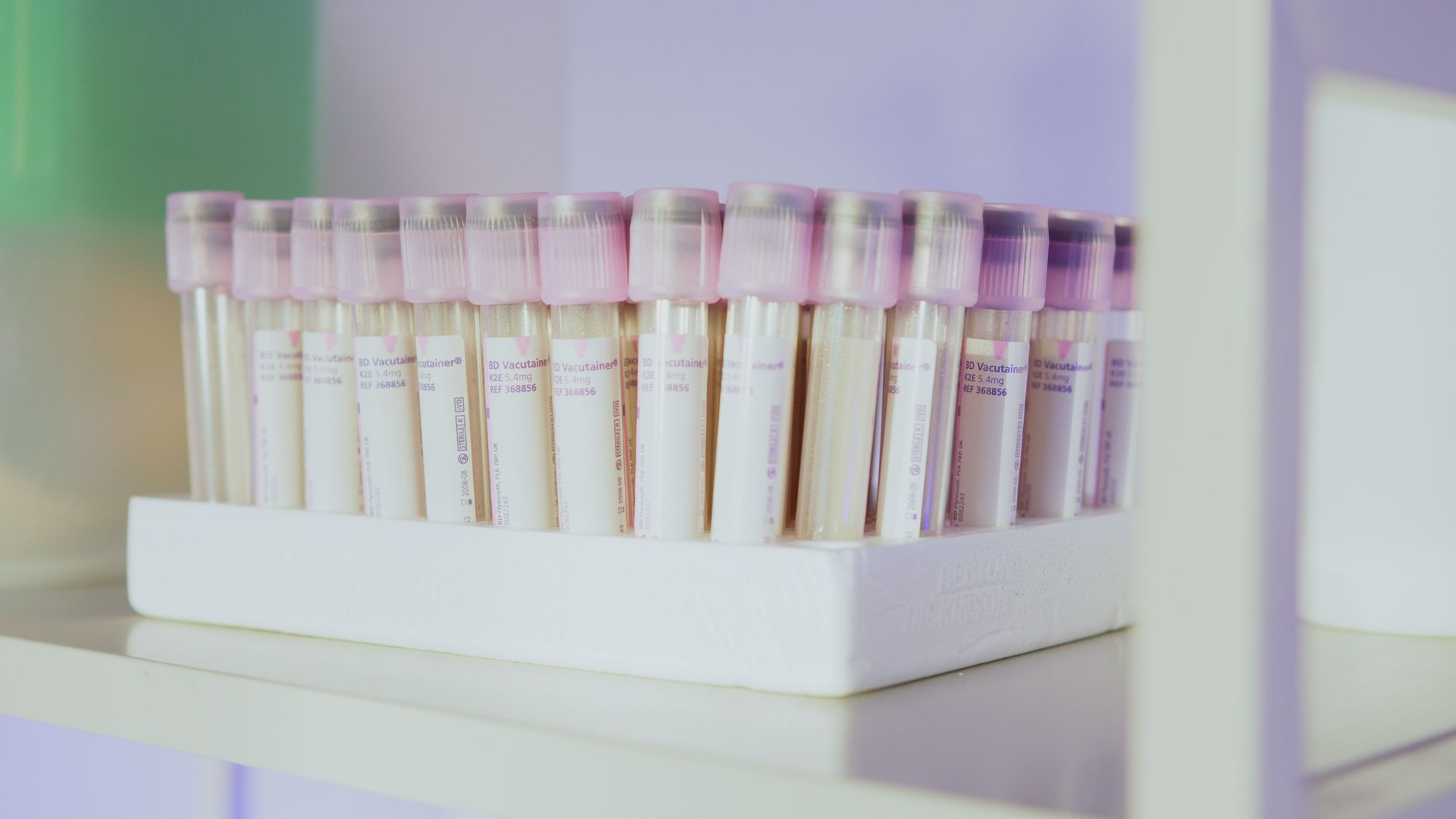
Zapłodnienie pozaustrojowe (in vitro) leczy niepłodność, łącząc komórkę jajową i plemnik w laboratorium, a następnie przenosząc powstały zarodek do macicy. Stosuje się je przy niedrożnych lub uszkodzonych jajowodach, niepłodności męskiej, zaburzeniach owulacji, endometriozie oraz niepłodności idiopatycznej, gdy prostsze metody zawiodły. ICSI — wstrzyknięcie pojedynczego plemnika bezpośrednio do każdej komórki jajowej — to wariant stosowany najczęściej, gdy liczba lub jakość plemników jest niska. Ta strona wyjaśnia przebieg jednego pełnego cyklu, realne efekty w różnym wieku oraz przepisy obowiązujące w Turcji.
Jak przebiega cykl in vitro
Cykl trwa mniej więcej dwa do trzech tygodni od pierwszego zastrzyku do transferu zarodka, po czym następuje dwutygodniowe oczekiwanie na test ciążowy. Większość odbywa się ambulatoryjnie: codzienne zastrzyki hormonalne, które można wykonać samodzielnie, kilka krótkich badań USG kontrolnych, a potem dwa krótkie zabiegi. Punkcję jajników wykonuje się w płytkim znieczuleniu (sedacji) lub krótkim znieczuleniu ogólnym i trwa ona około 15–20 minut; transfer zarodka kilka dni później nie wymaga żadnego znieczulenia.
Stymulacja jajników (~10–12 dni)
Codzienne zastrzyki hormonalne pobudzają jajniki do wytworzenia w jednym cyklu kilku dojrzałych komórek jajowych zamiast zwykle jednej.
Monitorowanie
Od dwóch do czterech badań USG przezpochwowych i badania krwi śledzą wzrost pęcherzyków i pozwalają dopasować dawkę leków.
Zastrzyk owulacyjny i punkcja jajników
Zastrzyk owulacyjny doprowadza komórki jajowe do dojrzałości; około 36 godzin później pobiera się je przez ścianę pochwy pod kontrolą USG, w sedacji. Zabieg trwa 15–20 minut.
Zapłodnienie w laboratorium
Tego samego dnia komórki jajowe łączy się z przygotowanym nasieniem (klasyczne in vitro) albo wstrzykuje się do każdej z nich pojedynczy plemnik (ICSI).
Hodowla zarodków
Zapłodnione komórki jajowe rosną w laboratorium od dwóch do sześciu dni, najlepiej do stadium blastocysty w 5. dobie.
Transfer zarodka
Jeden zarodek (czasem dwa) umieszcza się w macicy cienkim cewnikiem — to szybki, zwykle bezbolesny zabieg, podobny do cytologii.
Wsparcie fazy lutealnej
Progesteron, najczęściej w globulkach dopochwowych lub żelu, wspiera błonę śluzową macicy podczas zagnieżdżania się zarodka.
Test ciążowy (~2 tygodnie)
Badanie krwi beta-hCG około 12–14 dni po transferze pokazuje, czy cykl się powiódł.
In vitro, ICSI i opcjonalne procedury dodatkowe
- Klasyczne in vitro umieszcza tysiące przygotowanych plemników obok każdej komórki jajowej i pozwala, by zapłodnienie zaszło samo — sprawdza się, gdy parametry nasienia są prawidłowe.
- ICSI wstrzykuje jeden plemnik bezpośrednio do każdej komórki jajowej. To standardowy wybór przy niepłodności męskiej, po wcześniejszym braku zapłodnienia lub gdy pobrano niewiele komórek.
- PGT-A (badanie genetyczne) sprawdza przed transferem, czy zarodki mają prawidłową liczbę chromosomów. Może zwiększyć szansę na jeden transfer i obniżyć ryzyko poronienia; rozważa się je najczęściej u starszych pacjentek lub po powtarzających się stratach — ale podnosi koszt i nie jest potrzebne każdemu.
- Hodowla do stadium blastocysty prowadzi zarodki do 5.–6. doby, aby do transferu wybrać najsilniejszy.
- Mrożenie (witryfikacja) przechowuje nadliczbowe zarodki dobrej jakości na późniejszy transfer, bez powtarzania stymulacji.
- Procedury dodatkowe łatwo się sprzedają, ale dowody naukowe dla części z nich są skromne — odpowiedzialna klinika zaleca ICSI, PGT-A czy mrożenie tylko wtedy, gdy wymaga tego twój przypadek, a nie jako standardowy dodatek. Zanim zapłacisz, zapytaj, co konkretnie każda z nich ma zmienić w twojej sytuacji.
Jakie są szanse powodzenia in vitro
O powodzeniu in vitro decydują przede wszystkim wiek matki i jakość komórek jajowych — bardziej niż niemal cokolwiek innego, ponieważ nieprawidłowości chromosomowe w komórkach jajowych narastają systematycznie po połowie czwartej dekady życia. Znaczenie mają też inne czynniki: jakość nasienia, przyczyna niepłodności, masa ciała, palenie oraz standardy laboratorium samej kliniki — ale żadna klinika nie może obiecać ciąży. Poniższe wartości to przybliżone odsetki żywych urodzeń na rozpoczęty cykl z użyciem własnych komórek jajowych; należy je traktować jako średnie populacyjne, a nie prognozę indywidualną.
| Wiek matki | Żywe urodzenia na cykl (ok.)* |
|---|---|
| Poniżej 35 lat | 35–45% |
| 35–37 lat | 25–35% |
| 38–39 lat | 18–25% |
| 40–42 lata | 8–15% |
| 43 lata i więcej | Poniżej 5% |
*Leczenie z użyciem własnych komórek jajowych; średnie populacyjne, które różnią się w zależności od kliniki i sytuacji indywidualnej. Skumulowane szanse w dwóch lub trzech cyklach są wyższe niż w jednym. W Turcji dawstwo komórek jajowych i zarodków jest zakazane, więc wartości te dotyczą własnych komórek jajowych.
Kto może skorzystać z in vitro w Turcji — i co mówi prawo
Tureckie prawo jest tu rygorystyczne
Leczenie metodami wspomaganego rozrodu jest w Turcji ściśle regulowane i dostępne wyłącznie dla małżeństw heteroseksualnych korzystających z własnych komórek jajowych i nasienia. Dawstwo komórek jajowych, nasienia i zarodków oraz surogacja są zakazane przez prawo. Od par zwykle wymaga się paszportów i aktu małżeństwa. Jeśli potrzebujesz gamet od dawcy lub surogatki, Turcja nie jest właściwym kierunkiem — a przepisy mogą się zmieniać, więc przed wyjazdem potwierdź obowiązujące zasady w klinice, a w razie wątpliwości u wykwalifikowanego specjalisty.
Twój harmonogram in vitro w Turcji
Przed wylotem
Badania i planowanie
Badania krwi, profil hormonalny i badanie nasienia często wykonuje się w kraju i przekazuje klinice, aby protokół był gotowy. Część leków może zacząć się jeszcze przed podróżą.
Dni 1–3
Badanie wyjściowe i początek stymulacji
USG wyjściowe potwierdza, że jajniki są gotowe; zaczynają się codzienne zastrzyki stymulujące.
Dni 4–11
Monitorowanie
Krótkie badania USG i badania krwi co kilka dni pozwalają korygować dawkę. To największa część pobytu w Turcji.
Dni 12–14
Zastrzyk owulacyjny i punkcja jajników
Zastrzyk owulacyjny podaje się o dokładnie wyznaczonej godzinie; punkcja w sedacji następuje około 36 godzin później. Zaplanuj potem spokojny dzień odpoczynku.
Dni 15–20
Zapłodnienie, hodowla i transfer
Laboratorium przekazuje wynik zapłodnienia następnego dnia; transfer świeży odbywa się zwykle w 3. lub 5. dobie, albo zarodki są mrożone na kolejny cykl.
Ok. 2 tygodnie później
Test ciążowy
Badanie krwi beta-hCG potwierdza wynik. Wiele pacjentek wykonuje je już w kraju i pozostaje z kliniką w kontakcie zdalnym.
Ile kosztuje in vitro w Turcji
Jeden cykl in vitro w Turcji kosztuje zwykle 3000–5000 €, czyli mniej więcej połowę do jednej trzeciej ceny w Wielkiej Brytanii, USA czy większości Europy Zachodniej. Różnica bierze się z niższych kosztów personelu, obiektu i leków — a nie z oszczędzania na standardach laboratorium, które w największym stopniu wpływają na wynik. Podana niżej kwota jest orientacyjna i ustalana indywidualnie po ocenie; leki do stymulacji są często wyceniane osobno, ponieważ dawka jest inna u każdej pacjentki.
| Pozycja | Typowy przedział (EUR) | Uwagi |
|---|---|---|
| Podstawowy cykl in vitro | 3000–4000 € | Monitorowanie, punkcja jajników, praca laboratorium i jeden transfer. |
| Z ICSI | +400–800 € | Dodawane, gdy wymaga tego jakość nasienia lub wcześniejsze wyniki. |
| Z PGT-A | +1500–3000 € | Badanie genetyczne; zależy od liczby badanych zarodków. |
| Hodowla do blastocysty i mrożenie | 300–700 € | Witryfikacja oraz pierwszy rok przechowywania nadliczbowych zarodków. |
| Leki do stymulacji | 800–2000 € | Zależne od dawki; czasem kupowane osobno. |
Przedziały orientacyjne, wyłącznie do planowania. Zawsze proś o pisemną, rozpisaną wycenę dla swojego konkretnego protokołu.
3000–5000 €
typowy koszt jednego cyklu
50–65%
taniej za cykl niż w Wielkiej Brytanii / USA
10–20 dni
rozłożone na cały cykl w Turcji
Jak bezpiecznie wybrać klinikę
- Największe znaczenie mają embriolog wskazany z nazwiska i samo laboratorium. Laboratorium, w którym zachodzą zapłodnienie i hodowla, w dużej mierze decyduje o wyniku — zapytaj o jego akredytację i o to, jak raportuje skuteczność.
- Uważaj na gwarancje sukcesu i na jedną, ryczałtową cenę «pakietu», która ukrywa koszty leków i procedur dodatkowych. Uczciwe kliniki podają przedziały i tłumaczą, od czego zależą.
- Domagaj się liczb uczciwych wobec twojego wieku. Klinika, która podaje tę samą wysoką skuteczność niezależnie od wieku pacjentki, sprzedaje, a nie informuje.
- Ustal, kto wykonuje transfer i monitorowanie oraz jak wygląda zdalna opieka i test ciążowy po powrocie do domu.
- Potwierdź kwalifikacje na piśmie — nazwisko specjalisty, licencję kliniki i to, co dzieje się w razie odwołania cyklu. Dokładnie wokół takiej weryfikacji zbudowany jest WhichClinic.
Uwaga na temat tego poradnika
Ta strona zawiera informacje ogólne, a nie poradę medyczną. To, czy in vitro jest dla ciebie odpowiednie, jaka technika i jakie procedury dodatkowe mają zastosowanie oraz jakie są twoje realne szanse powodzenia, może ocenić wyłącznie wykwalifikowany specjalista leczenia niepłodności po osobistym badaniu obojga partnerów. Przepisy i praktyka klinik mogą się zmieniać — potwierdź aktualne informacje, zanim podejmiesz decyzję.
In vitro nagradza uczciwość bardziej niż nadzieję. Warto wybrać tę klinikę, która poda realne szanse dla twojego wieku, dokładnie wyjaśni, za co płacisz, i pozostanie dostępna po twoim powrocie do domu.
— Zespół redakcyjny WhichClinic
Otrzymaj bezpłatne wyceny dla In vitro w Turcji
Powiedz nam, czego potrzebujesz, i otrzymaj dopasowane oferty od zweryfikowanych klinik — bezpłatnie, prywatnie i bez zobowiązań.
- Tylko zweryfikowane, akredytowane kliniki
- Bezpłatnie i bez zobowiązań
- Porównaj wiele ofert obok siebie
Twoje dane pozostają prywatne — udostępniane tylko dopasowanym klinikom.