Istanbul for Patients: A Practical Travel & Recovery Guide
You booked the clinic — now book the trip properly. Airports, e-Visa, where to stay, and how to recover in Istanbul without turning your body into a tourist.
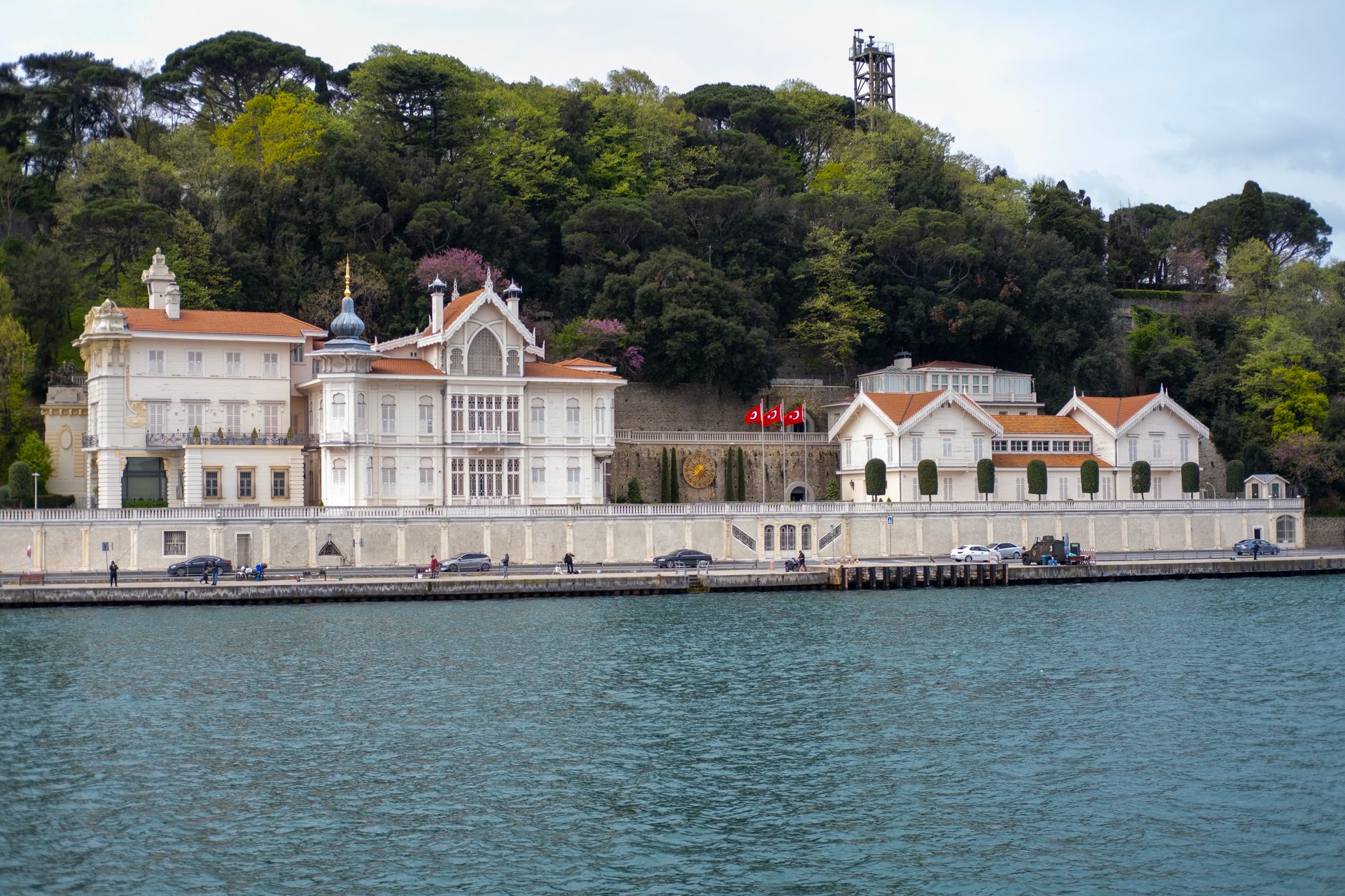
Zdjęcie: Furkan EROĞLU / Pexels
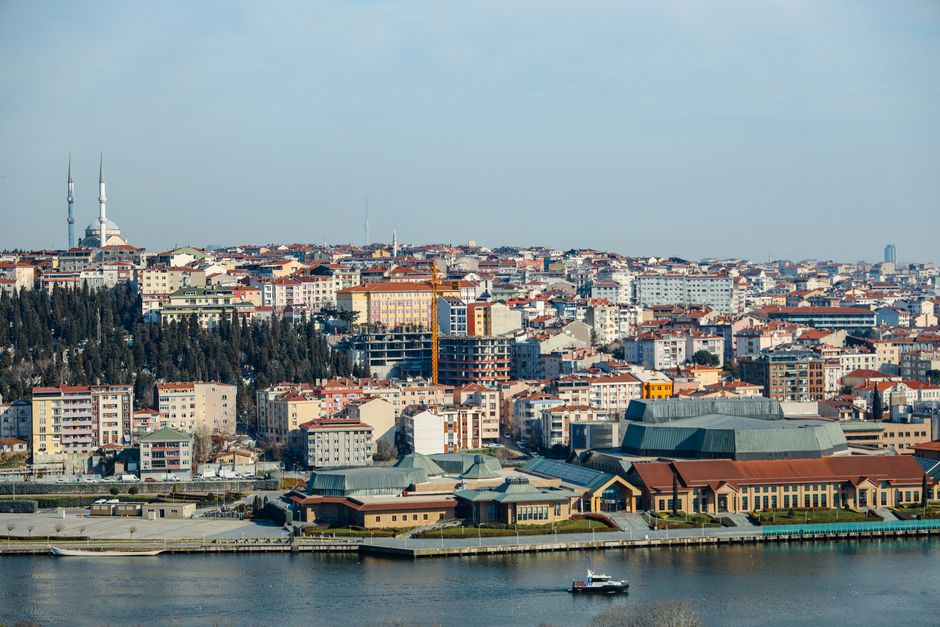
You have chosen a clinic, paid a deposit and booked a date. Now comes the part most patients underestimate: the trip itself. Istanbul is a city of roughly 16 million people spread across two continents, and a smooth medical trip depends on a few logistics decisions you make before you fly — not on how many sights you squeeze in afterwards. This guide is the practical layer: airports, visas, where to sleep, and how to recover without treating your body like a tourist.
Two airports, two very different arrivals
Istanbul has two major airports on opposite sides of the city, and which one you land at quietly shapes your whole stay. Istanbul Airport (IST) sits on the European side in the far northwest — large, modern and the hub for long-haul and flag carriers, but 40–50 km from the central districts where most clinics operate. Sabiha Gökçen (SAW) is on the Asian side and handles more low-cost and charter flights. The rule of thumb: book a hotel close to your clinic first, then choose the flight into whichever airport is on the same side of the Bosphorus. Crossing the city in traffic can take well over an hour — the last thing you want the morning after a procedure.
2
major airports (IST · SAW)
~16M
residents across two continents
45–90 min
typical airport-to-centre transfer
TRY ₺
local currency
Before you fly: the e-Visa
Many nationalities can enter Turkey on an e-Visa applied for online in advance; others are visa-exempt or must apply at a consulate. Rules and passport-validity requirements change, so confirm your own case on the official portal (evisa.gov.tr) and with your Turkish consulate before booking — and treat any third party offering to 'arrange' a visa with caution. This is general guidance, not legal advice.
Where medical travellers usually stay
Most clinics that serve international patients build accommodation into the package — commonly a partner hotel plus a VIP airport transfer and a driver for clinic visits. That convenience is real, but confirm the specifics in writing: how many nights, star rating, distance to the clinic, and whether a companion's room is included. If you book independently, choose a calm, well-connected district near your clinic — areas like Nişantaşı, Şişli and Levent on the European side cluster many hospitals and quiet hotels. A short distance between bed and clinic matters far more than a view.
Plan the trip around your recovery, not the sights
The single most common mistake is booking a packed sightseeing itinerary for the same days as the procedure. Surgery — and even minimally invasive treatments — leaves you tired, swollen or sore; your body wants rest, not 20,000 steps across the old city. Build the trip backwards from your operation date and leave genuine buffer around it.
Days 1–2 · Arrive and settle
Land, transfer to the hotel, sleep off the flight and attend your pre-op consultation. Do nothing strenuous.
Procedure day
Keep it clear. Bring your companion, your documents and your medication list; plan a quiet evening, not dinner out.
The days after · Rest and review
Follow the clinic's aftercare to the letter, attend the post-op check and stay close to the hotel. This is not the time to explore.
Before flying home
Get written clearance to fly, a summary of what was done and aftercare instructions in a language you read. Confirm your surgeon is reachable remotely.
Give these a hard pass early on
After many procedures — hair transplants, aesthetic surgery, dental work, eye surgery — you should avoid direct sun, Turkish baths (hammam), saunas, swimming, alcohol and heavy walking for a period your surgeon defines. These are exactly the 'Istanbul experiences' the brochures push. Skip them until you have explicit clearance; a ruined result costs far more than a missed hammam.
Gentle days, and getting around
You can still enjoy the city at low effort. A Bosphorus ferry (vapur) is the perfect recovery outing — you sit, the view moves for you, and it costs the price of a bus ticket. Calm waterfront neighbourhoods like Bebek, Arnavutköy and Moda are made for a slow coffee and a short, flat stroll. Keep outings brief, stay hydrated, wear a hat if sun exposure is restricted, and clear any activity with your clinic first.
Buy a local eSIM before you land (Airalo and similar) or a physical SIM from Turkcell, Vodafone or Türk Telekom at the airport — data is cheap and you will want maps and a way to reach the clinic. For transport, get an İstanbulkart for the metro, tram, ferries and the cross-continent Marmaray tunnel, and use the BiTaksi or iTaksi apps rather than hailing on the street. For the first days, though, lean on your clinic's transfer service instead of navigating public transport yourself.
| Essential | What to know |
|---|---|
| Currency | Turkish Lira (TRY, ₺). Cards are widely accepted; carry some cash for taxis and tips. |
| Power sockets | Type C / F, 230V, 50Hz — the standard European two-round-pin plug. Bring an adapter. |
| Tipping | Around 5–10% in restaurants; rounding up is normal for taxis and small services. |
| Pharmacy | Look for 'eczane' (green cross). 'Nöbetçi eczane' is the on-duty night or weekend pharmacy. |
| Language | Turkish; English is common in clinics and tourist areas. Confirm your aftercare is written in a language you read. |
| Emergencies | 112 is the national number for medical emergencies. |
Quick reference for a medical trip to Istanbul.
Treat Istanbul as the setting for your recovery, not a checklist to complete. The patients who heal best are the ones who booked the boring buffer days — and used the Bosphorus, not the bazaar, to pass the time.
— WhichClinic Editorial
Najczęściej zadawane pytania
WhichClinic Editorial
Zweryfikowane przez zespół redakcyjny i zespół ds. zaufania WhichClinic. Weryfikujemy kliniki i publikujemy poradniki, które stawiają bezpieczeństwo pacjenta ponad marketing.